
There’s a moment at the end of the day when everything slows. The lights dim, the house quiets, and your body begins to settle into rest.
And then there’s the bed.
It seems simple. Sheets, a pillow, a duvet. But once you begin paying attention, you realize how much that top layer matters.
The weight, the warmth, the way it breathes… or doesn’t.
For years, I didn’t think much about it. I assumed all duvets were more or less the same. Cozy was cozy.
But once I started paying closer attention to materials, I noticed something subtle but undeniable.
Some duvets felt calm.
Others felt stifling.
Some held warmth in a gentle, steady way. Others trapped heat in a way that made sleep restless without me fully realizing why.
Wool, down, and synthetic fills are the three most common options.
And while they may look similar on the outside, they behave very differently once you’re under them.
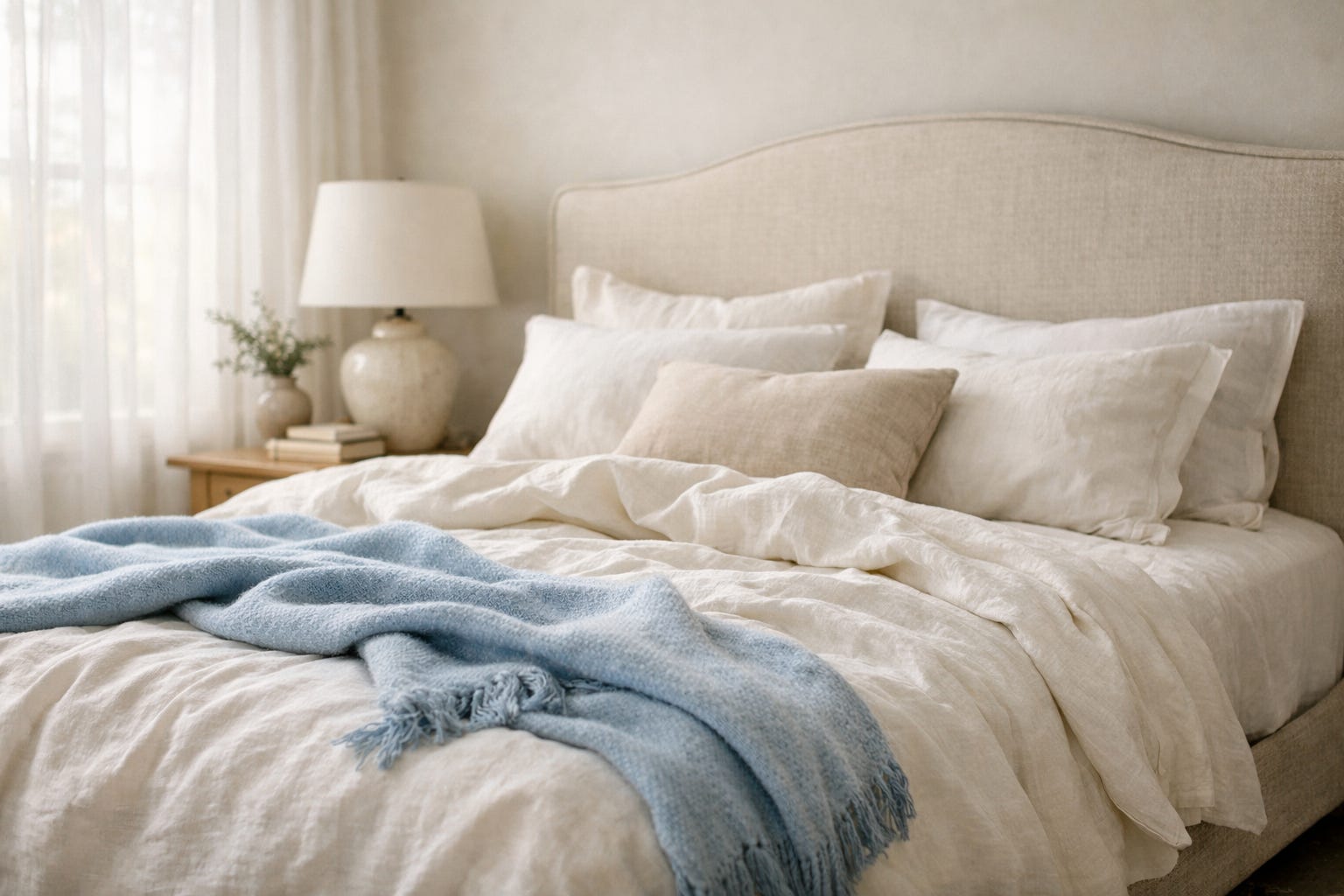
Wool Duvets for Breathable Temperature Regulation
Wool has a quiet intelligence to it.
It doesn’t just warm you, it adapts.
Unlike many materials, wool naturally regulates temperature. It can keep you warm in cooler months while remaining breathable enough for warmer nights.
This balance is what makes it feel so steady and calming.
What surprised me most about wool is how dry it feels. It absorbs moisture without feeling damp, which creates a more comfortable sleep environment, especially if you tend to get warm at night.
There’s also a gentle weight to wool duvets.
Not heavy, but grounding. The kind of weight that helps your body settle, almost like a soft exhale at the end of the day.
For anyone creating a more breathable, low-tox sleep space, wool often becomes the quiet favorite.
It works in the background, without needing attention.
Down Duvets and Their Soft, Cloud-Like Warmth
Down is often what people think of when they imagine a luxurious bed.
It’s light, airy, and deeply insulating.
A good down duvet traps warmth efficiently, creating that cocooned feeling that many people love, especially in colder climates.
There’s something undeniably beautiful about how it drapes.
It settles into soft folds, catching light in a way that feels almost weightless.
But down does have its nuances. It can run warm, especially in heated homes or milder climates. And depending on quality and sourcing, it may not always align with a more natural or low-tox approach.
Still, for those who love that airy, enveloping warmth, down has a softness that’s hard to replicate.
It feels like being tucked into a cloud… just one that runs a little warmer.
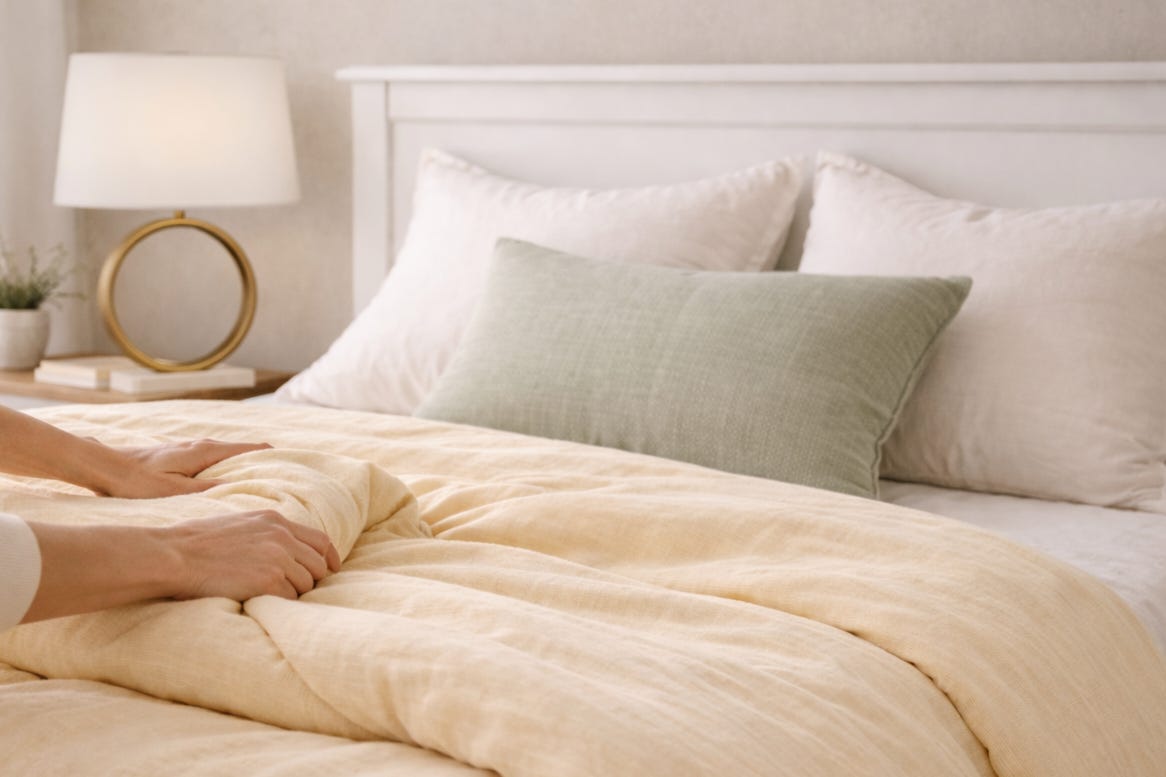
Synthetic Duvets and the Illusion of Easy Comfort
Synthetic duvets are everywhere. They’re affordable, widely available, and often marketed as easy-care alternatives.
And at first, they can feel comfortable enough.
Soft, lightweight, familiar.
But over time, the differences become more noticeable.
Synthetic fills tend to trap heat rather than regulate it. That can lead to a sleep experience that feels inconsistent, warm one moment, slightly stifling the next.
They also lack the breathability of natural fibers.
Instead of working with your body, they often work against it in subtle ways.
From a materials perspective, synthetic duvets are typically made from polyester or similar fibers.
For anyone moving toward a more natural home environment, this becomes an important consideration.
They serve a purpose, but they rarely create that calm, breathable feeling that defines a truly restorative bed.
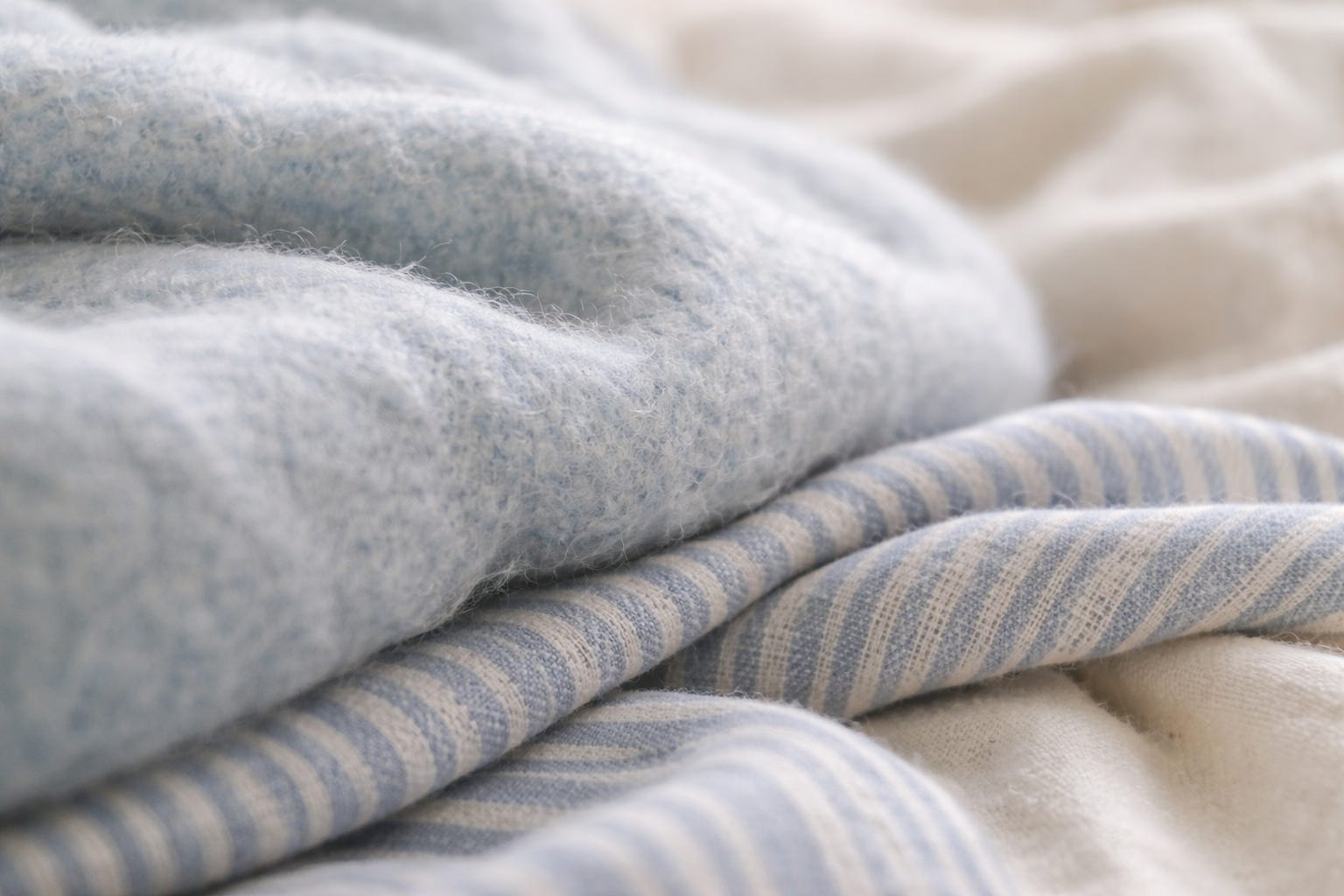
Choosing the Best Duvet Material for Your Sleep Style
Choosing a duvet isn’t really about trends.
It’s about how you sleep.
If you tend to run warm or want something that adapts throughout the year, wool is often the most balanced choice. It creates a steady, breathable environment that supports deeper rest.
If you prefer a lighter, more enveloping feel and live in a cooler climate, down can offer that soft, insulating comfort.
If budget or accessibility is the main concern, synthetic options may feel like a practical starting point, though they often fall short in long-term comfort.
What matters most is paying attention to how your body responds. The right duvet doesn’t just feel good when you first climb in.
It still feels good hours later.
Building a Calm, Layered Bed with Natural Materials
A duvet is only one layer, but it shapes everything around it.
When paired with breathable sheets like linen or organic cotton, the entire bed begins to function differently.
Air moves. Heat dissipates.
The space feels lighter.
I’ve found that adding a subtle layer of color, a soft blue throw, a muted green pillow, something drawn from nature, helps the bed feel more personal without disrupting the calm.
The goal isn’t perfection. It’s ease.
A bed that invites you in at the end of the day and doesn’t ask anything of you once you’re there.
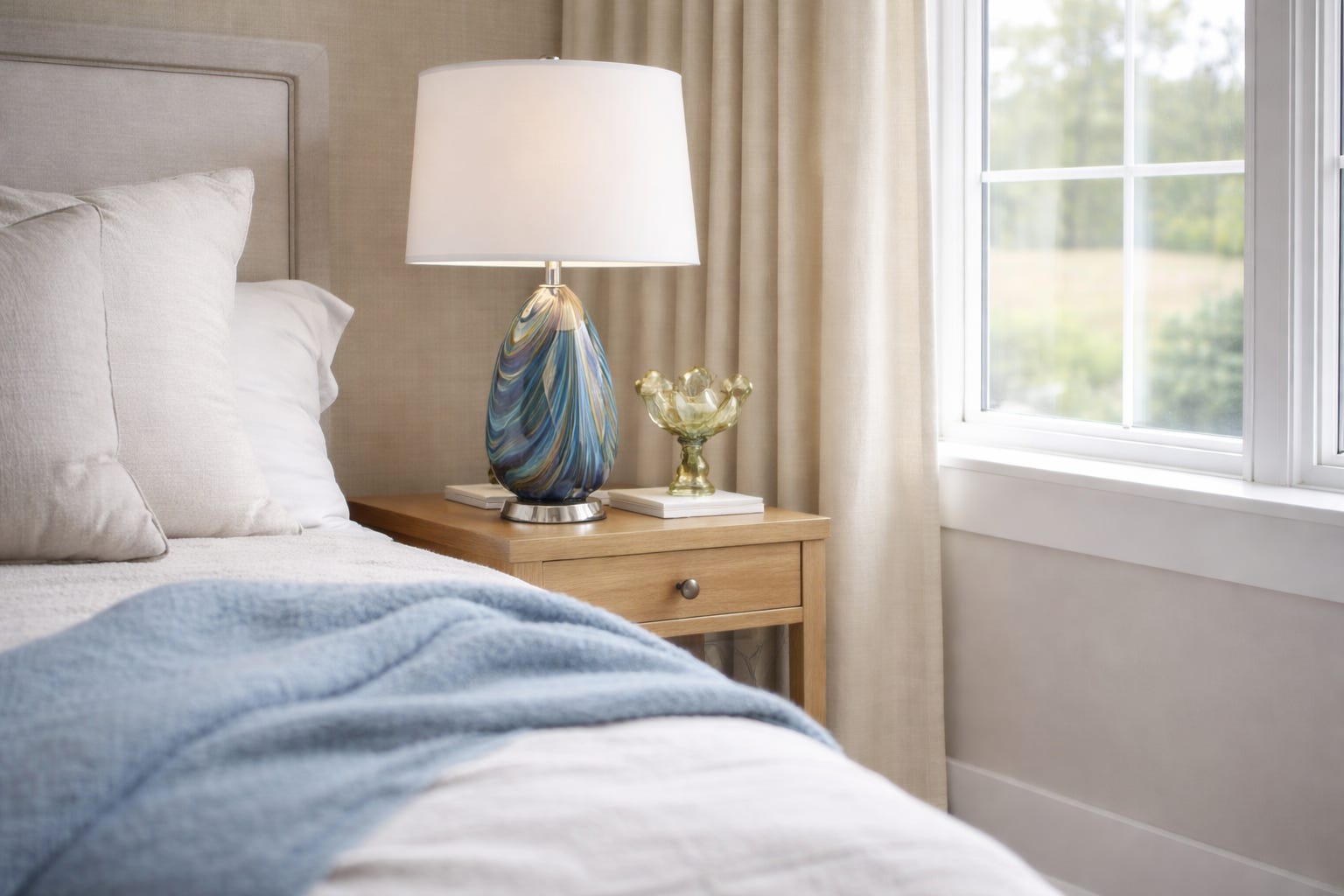
The Difference You Can Feel Every Night
The materials we sleep with shape more than comfort. They shape how deeply we rest.
Wool, down, and synthetic duvets each offer something different, but only some truly support a calm, breathable environment.
Once you notice the difference, it’s hard to go back.
And in a home built around quiet luxury, that difference matters.
Do you have any blankets in pure cotton or in wool? How do they feel to you?
Some links in this article may be affiliate links. By clicking on them, you help support my work. Don’t worry. I only share materials and brands I do/would use in my own home.
Did you like this article? Subscribe for ~free~ and get my next post in your inbox.