

The first time you sleep on linen sheets, something feels subtly different.
The fabric is not slick or glossy. It carries a gentle texture, almost like the memory of the flax plant it came from.
The air around the bed feels lighter. The fabric shifts softly when you move.
At first the difference can be difficult to explain.
But over time it becomes clear that linen behaves very differently from synthetic fabrics.
The reason lies in the fibers themselves.
Linen is made from flax, a natural plant fiber that has been used for thousands of years.
Those fibers create a textile that breathes, softens with time, and interacts with light in a uniquely calm way.
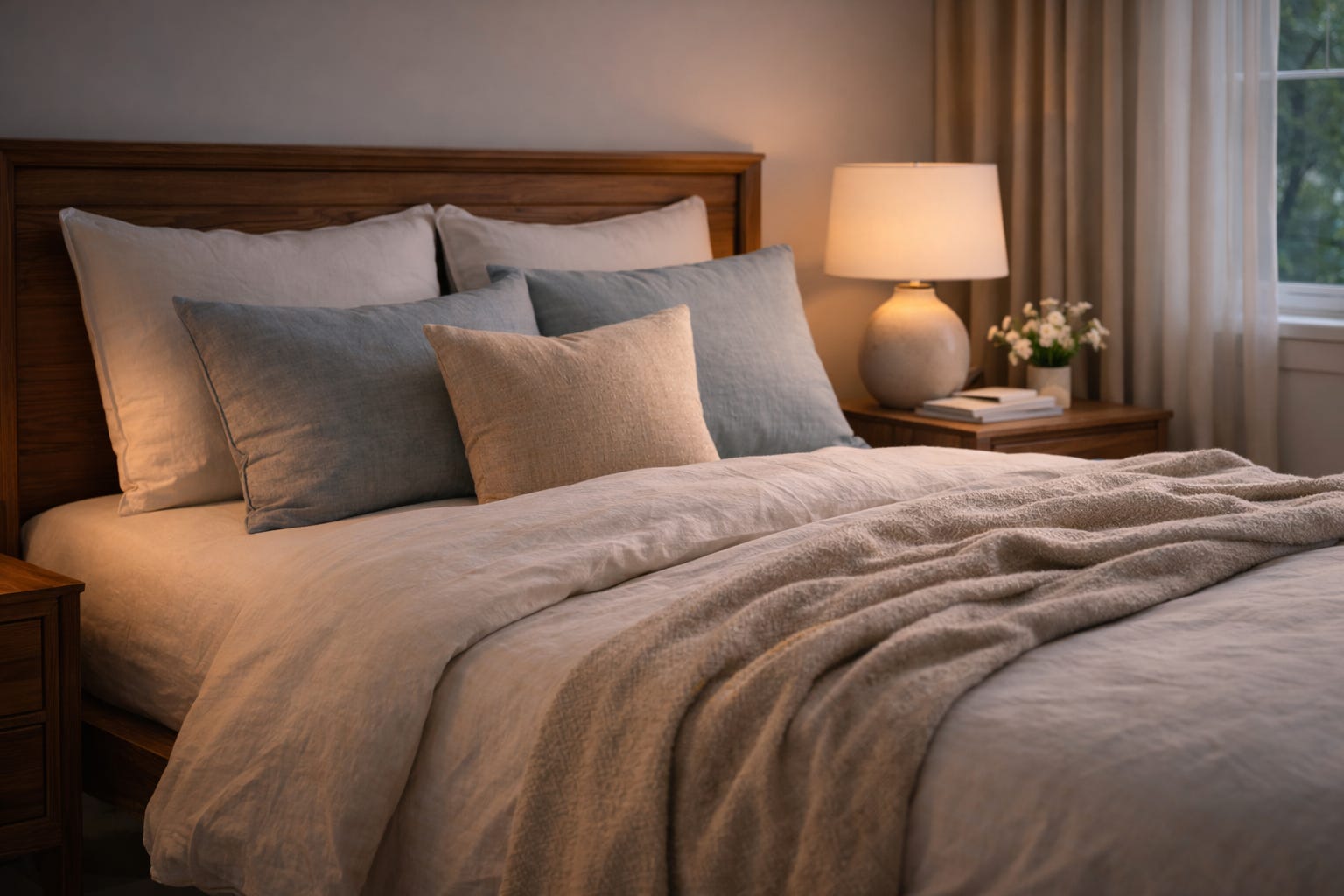
Linen’s Natural Breathability
One of linen’s most noticeable qualities is its breathability.
Flax fibers allow air to move easily through the fabric, helping regulate temperature during the night.
Synthetic fabrics behave differently. Polyester and other synthetics tend to trap heat and moisture because the fibers resist absorption.
Linen works with the body instead of against it.
It absorbs moisture naturally and releases it quickly, which allows the fabric to remain comfortable even as temperatures shift.
This quality is one reason linen has been used in warm climates for centuries.
A Texture That Softens Over Time
Another distinctive quality of linen is how it ages.
Many fabrics begin to thin or lose their structure after repeated washing.
Linen moves in the opposite direction.
With each wash the fibers soften slightly, creating a relaxed texture that feels increasingly comfortable.
This gradual change is part of linen’s charm.
The fabric becomes familiar rather than worn.
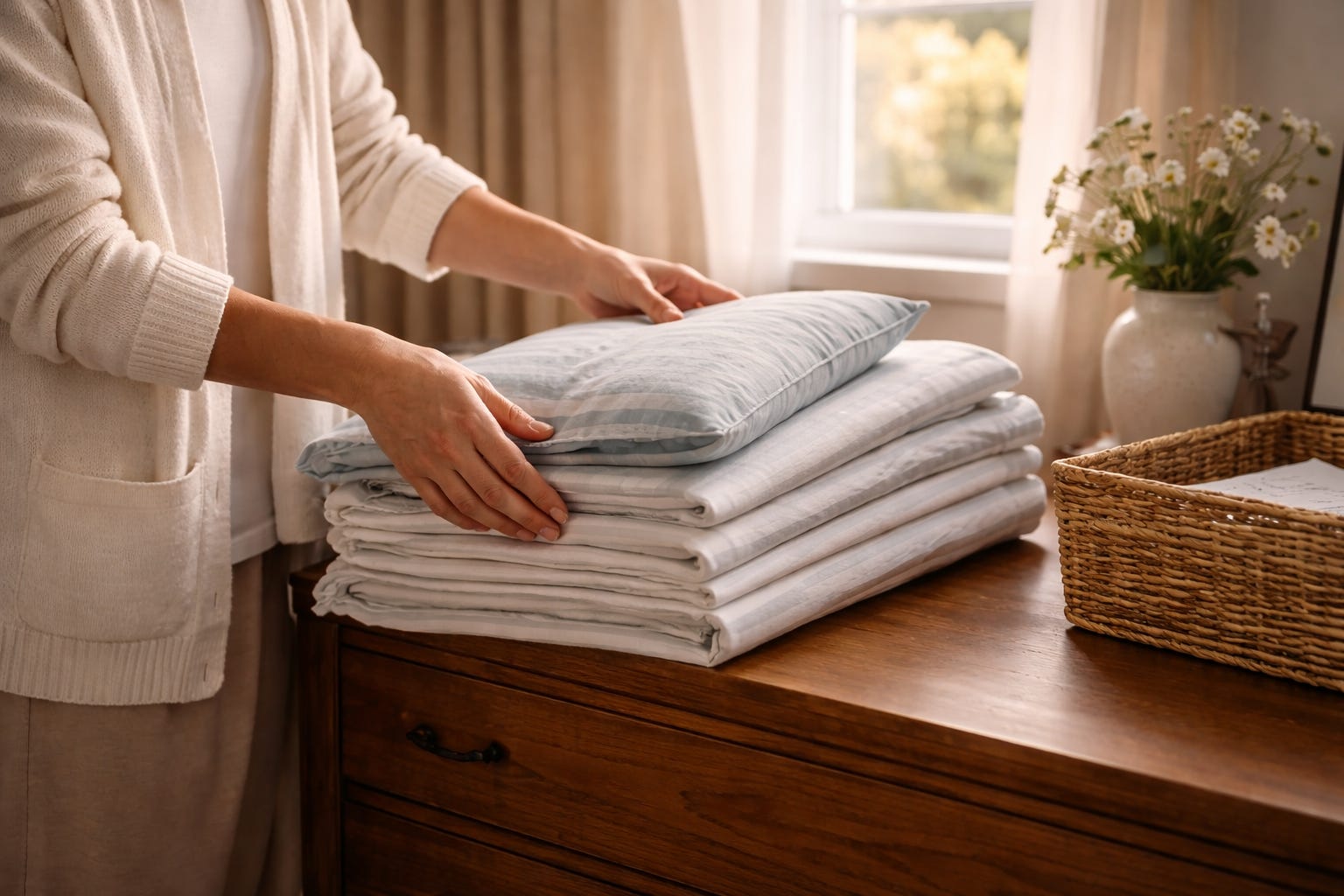
Linen and Natural Durability
Linen fibers are surprisingly strong.
Historically they were used in items designed to withstand heavy use, including sails and work garments.
That strength translates beautifully into home textiles.
Well-made linen bedding can last for many years, even decades.
Instead of deteriorating quickly, the fabric tends to maintain its structure while becoming softer and more relaxed.
This balance of durability and softness is one reason linen is often associated with quiet luxury interiors.
Why Linen Changes the Feeling of a Room
Linen also influences how a room feels visually.
The weave reflects light softly rather than sharply. The fabric drapes gently instead of appearing rigid.
In bedrooms, linen bedding creates a sense of calm that glossy synthetic fabrics rarely achieve.
The colors also appear slightly softened through the weave.
Warm ivory, dusty blue, soft sage, and muted terracotta all take on a relaxed character when woven into linen.
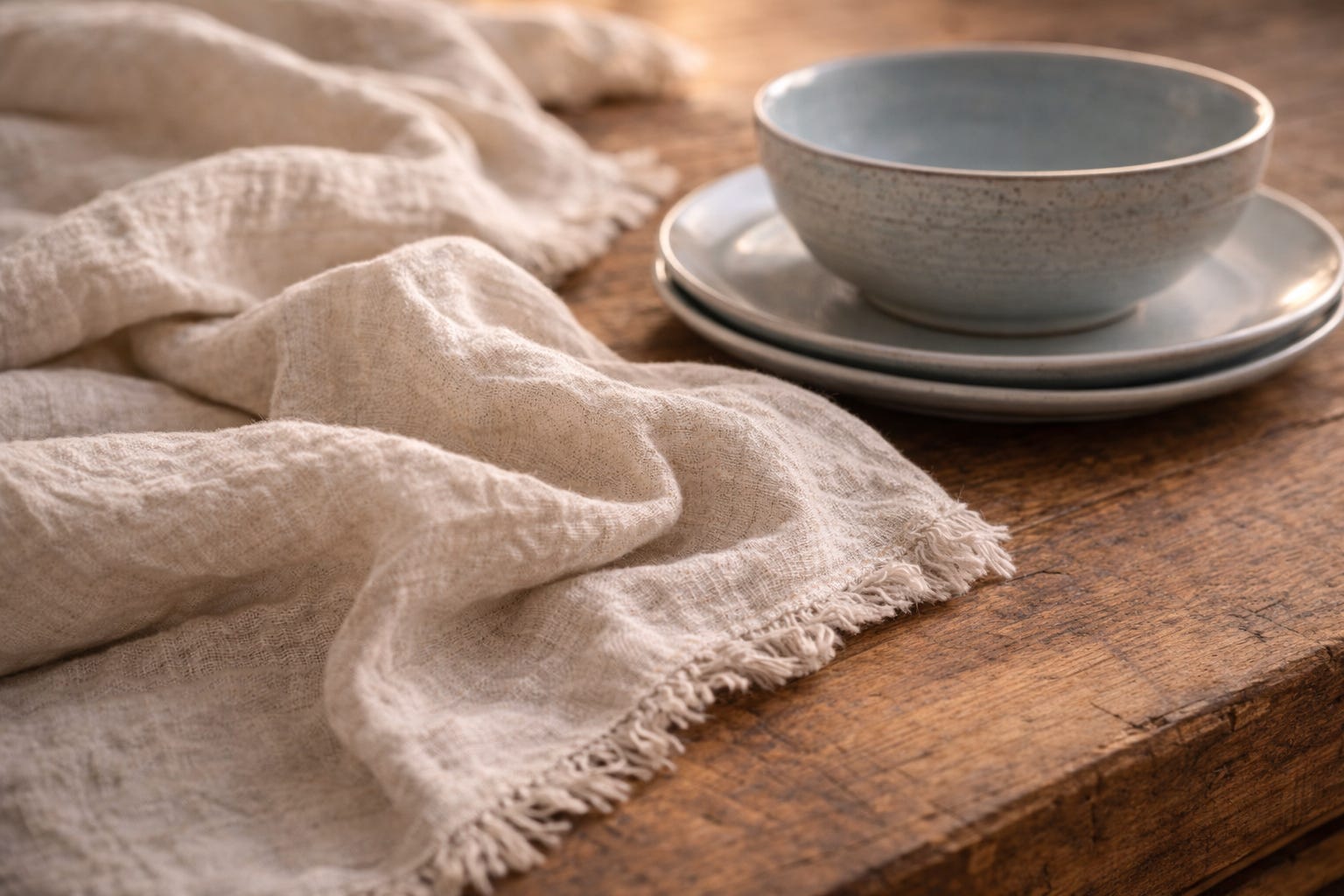
A Fabric That Ages Beautifully
Perhaps the most appealing quality of linen is the way it grows more beautiful with time.
Instead of fading into something disposable, it develops character.
The fibers soften. The folds relax. The fabric becomes part of the daily rhythm of the home.
Linen rarely feels pristine or overly polished.
And that may be part of its appeal.
It carries the quiet elegance of something meant to be lived with.
Soft but Endearing
Some materials quietly shape the feeling of a home.
Linen is one of those materials.
Its breathability, texture, and gentle interaction with light bring a sense of ease to the spaces where we rest.
Over time the fabric softens and becomes familiar, almost like part of the rhythm of the home itself.
And once linen becomes part of everyday life, many people find it difficult to return to synthetic fabrics.
Not because linen is extravagant.
But because it simply feels right.
Do you have any linen items? Would you like to buy more?
Some links in this article may be affiliate links. I only share materials and brands I do/would use in my own home.
Did you like this article? Subscribe for free and get my next post in your inbox.