
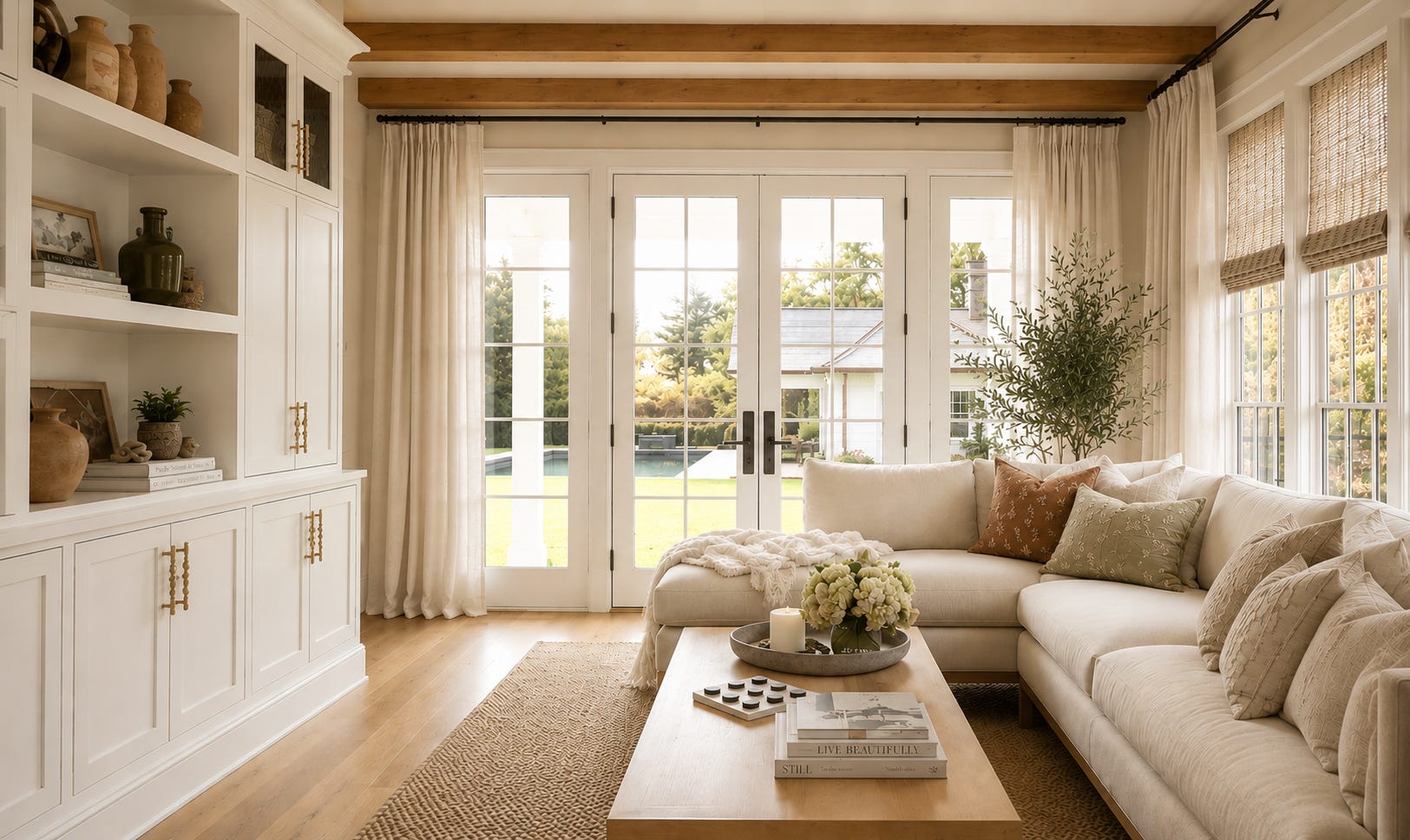
There are certain homes that immediately make you exhale a little more deeply when you walk inside.
The lighting feels softer.
The textures feel grounding.
Even the quietness of the space feels different somehow.
Over the years, I’ve realized that much of that feeling comes down to the materials surrounding us every day.
Natural materials tend to age in a gentler way. Linen softens. Wood develops character. Stone becomes warmer and more lived-in over time.
Instead of feeling worn out, these materials often feel more beautiful as life settles into them.
Working in boutique hospitality years ago taught me how deeply environments affect the nervous system. The spaces guests returned to again and again were rarely the most extravagant. They were the ones that felt restorative without trying too hard.
I think our homes work the same way.
When I choose materials now, I’m thinking less about perfection and more about how a space will feel years from now — emotionally, visually, and physically.
I Start With How a Material Feels Over Time
I’ve become much less interested in materials that look perfect on day one.
Instead, I tend to look for materials that age gracefully and become softer, warmer, or more textured with time.
Solid wood is one of the clearest examples of this. Small marks and imperfections rarely ruin it. If anything, they often make it feel more personal and grounded.
The same is true for linen, wool, natural stone, and handmade ceramics.
These materials carry a certain visual depth that synthetic finishes often struggle to replicate. They reflect light more softly. They feel tactile rather than overly polished. And they rarely feel cold or sterile inside a home.
I also think natural materials create a sense of emotional permanence.
Rooms feel more settled and less trend-driven when the surfaces have warmth and texture to them.
That calmness matters more than people sometimes realize.
Many glossy or heavily manufactured finishes can look visually sharp at first, but they often begin to feel tiring over time.
I’ve noticed that spaces layered with natural materials tend to feel quieter on the eyes and easier to live with day after day.
A home doesn’t need to feel pristine to feel beautiful.
Sometimes it simply needs to feel lived in with care.
Breathability Matters More Than Most People Realize
One of the things I pay attention to most now is how breathable a space feels.
That can mean literal air quality, but it also relates to texture, softness, acoustics, and how visually heavy a room feels.
Homes filled with synthetic finishes, harsh lighting, and overly sealed materials can sometimes feel strangely stagnant, even when they’re beautifully decorated.
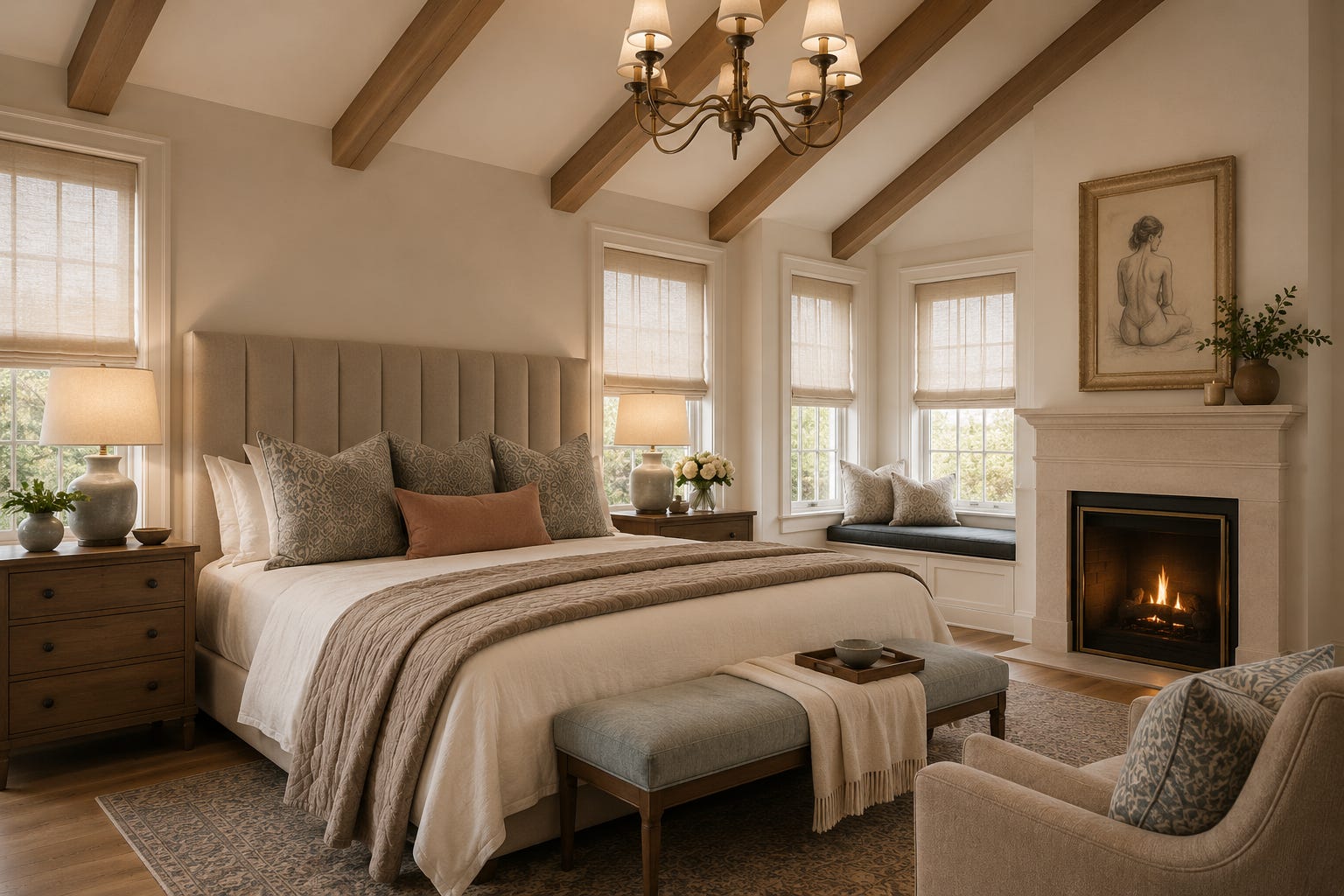
I personally gravitate toward breathable natural fibers whenever possible — linen bedding, cotton upholstery, wool rugs, and natural curtains that move gently with airflow instead of feeling rigid or overly structured.
These choices often create a softer sensory atmosphere overall.
I’ve also found that reducing heavily fragranced products and overly synthetic materials helped my own home feel calmer over time.
Nothing dramatic or fear-based — just a gradual shift toward materials that feel gentler to live around every day.
In bedrooms especially, breathable materials can make an enormous difference.
My husband sleeps noticeably better with layered natural bedding compared to overly synthetic fabrics that trap heat and feel stiff after repeated washing.
Comfort has a cumulative effect.
And I think many people underestimate how deeply our homes affect stress levels, sleep quality, and emotional regulation over time.
I Pay Attention to Materials That Quietly Wear In
There’s a meaningful difference between materials that wear out and materials that wear in.
I think that distinction changes the way a home ages emotionally.
Unlacquered brass develops warmth and variation over time.
Natural stone picks up subtle texture.
Handmade ceramics become part of daily rituals rather than decorative objects that need constant protection.
Even old wood floors often become more beautiful after years of use because they hold memory and softness.
I’ve found myself increasingly drawn to materials that feel relaxed rather than overly controlled.
That shift has made decorating decisions much simpler.
Instead of chasing perfectly untouched surfaces, I look for pieces that can evolve naturally alongside real life. Children, guests, pets, daily routines — all of it becomes easier to hold when materials aren’t demanding perfection from the people living around them.
Trend-heavy interiors often struggle here because they rely so heavily on visual precision. But truly timeless homes usually contain some softness, variation, and imperfection.
That’s often what makes them feel human.
True luxury rarely feels rigid.
It feels comfortable enough to exhale inside.
Natural Materials Help a Home Feel Emotionally Softer
I don’t think we talk enough about the emotional texture of a home.
Certain materials genuinely change how a space feels psychologically. Natural wood tends to reflect light more warmly. Linen absorbs sound differently than synthetic fabrics. Wool rugs soften acoustics in a way that immediately changes the atmosphere of a room.
These details seem small individually, but together they shape how the body responds to a space.
In many of the boutique hotels I worked with years ago, the most restorative rooms were never visually overwhelming. They were materially restrained in a very intentional way.
Natural textures did much of the emotional work quietly in the background.
I still think about that often when designing at home.
Too many hard surfaces, bright finishes, or overly shiny materials can create subtle sensory tension without us fully realizing it. On the other hand, tactile and natural materials tend to create visual rhythm without overstimulation.
That’s part of why homes layered with natural materials often feel calmer almost immediately.
Not because they’re perfect.
Because they feel grounding.
I Choose Fewer Things, But Better Materials
I no longer believe a home needs to be finished quickly.
In fact, I think the most beautiful homes are usually layered slowly over time.
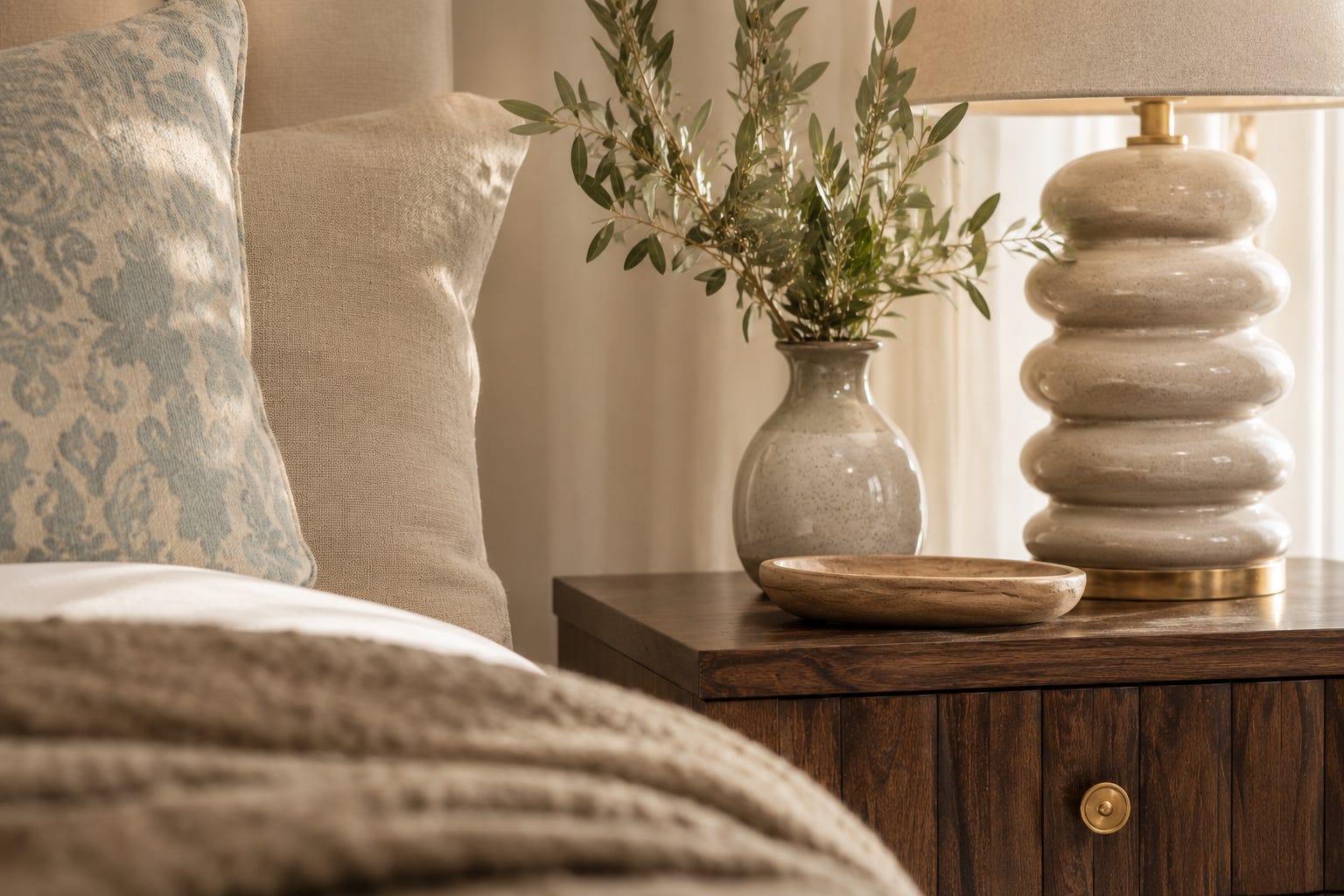
When budgets allow, I tend to prioritize fewer pieces made from materials that will genuinely last — solid wood furniture, washable natural textiles, timeless stone surfaces, and lighting that creates warmth rather than glare.
These choices usually age far more gracefully than fast decorative trends.
But I also believe gradual change is enough.
Most people don’t replace everything at once, and honestly, I don’t think they should. Some of the calmest homes evolve slowly through small thoughtful upgrades that quietly improve daily life over time.
A linen duvet cover.
A wool rug.
Softer lighting.
A solid wood table that becomes part of family routines for years.
Those changes accumulate emotionally.
I’ve found that natural materials encourage a different relationship with the home itself. Less performance. Less pressure. More comfort and restoration.
And in many ways, that’s what luxury means to me now.
Not excess.
Just spaces that support wellbeing in quiet, lasting ways.
A Home That Softens With Time
I think choosing natural materials is ultimately less about aesthetics and more about how we want our homes to feel over time.
The spaces that stay with us emotionally are rarely the most perfect ones.
They’re usually the homes that feel warm, grounding, breathable, and quietly supportive of daily life.
Natural materials have a way of softening a space slowly.
They invite texture, warmth, and imperfection in a way that often feels deeply human.
And while trends inevitably change, I’ve found that homes centered around thoughtful materials tend to remain calming year after year.
There’s something reassuring about that.
A home that doesn’t demand so much from you.
A home that simply helps you exhale a little more easily at the end of the day.
A Few Questions I’m Often Asked
What are the best natural materials for a healthier home?
I tend to gravitate toward solid wood, linen, cotton, wool, natural stone, and low-tox finishes whenever possible.
These materials often feel more breathable and emotionally calming inside a home. They also tend to age more gracefully than heavily synthetic alternatives.
Do natural materials really last longer?
Many natural materials do last exceptionally well when cared for properly.
Solid wood, wool, stone, and linen often wear in beautifully over time instead of simply deteriorating. I think that longevity is part of what makes them feel timeless.
How can I make my home feel more natural without renovating?
Small changes can make a surprisingly large difference.
I usually recommend starting with textiles and lighting — linen bedding, wool rugs, layered lamps, natural curtains, or solid wood accents. These softer materials immediately change the atmosphere of a room.
Are natural materials worth the investment?
I personally think so, especially for items used daily.
Better materials often improve comfort, durability, and emotional warmth over time. But I also believe gradual change is perfectly enough. Thoughtful layering matters more than perfection.
What materials make a home feel calmer?
In my experience, tactile and breathable materials create the most calming atmosphere.
Linen, warm woods, wool, handmade ceramics, softened lighting, and natural textures all help reduce visual harshness and make spaces feel more grounded.
Pieces I Trust
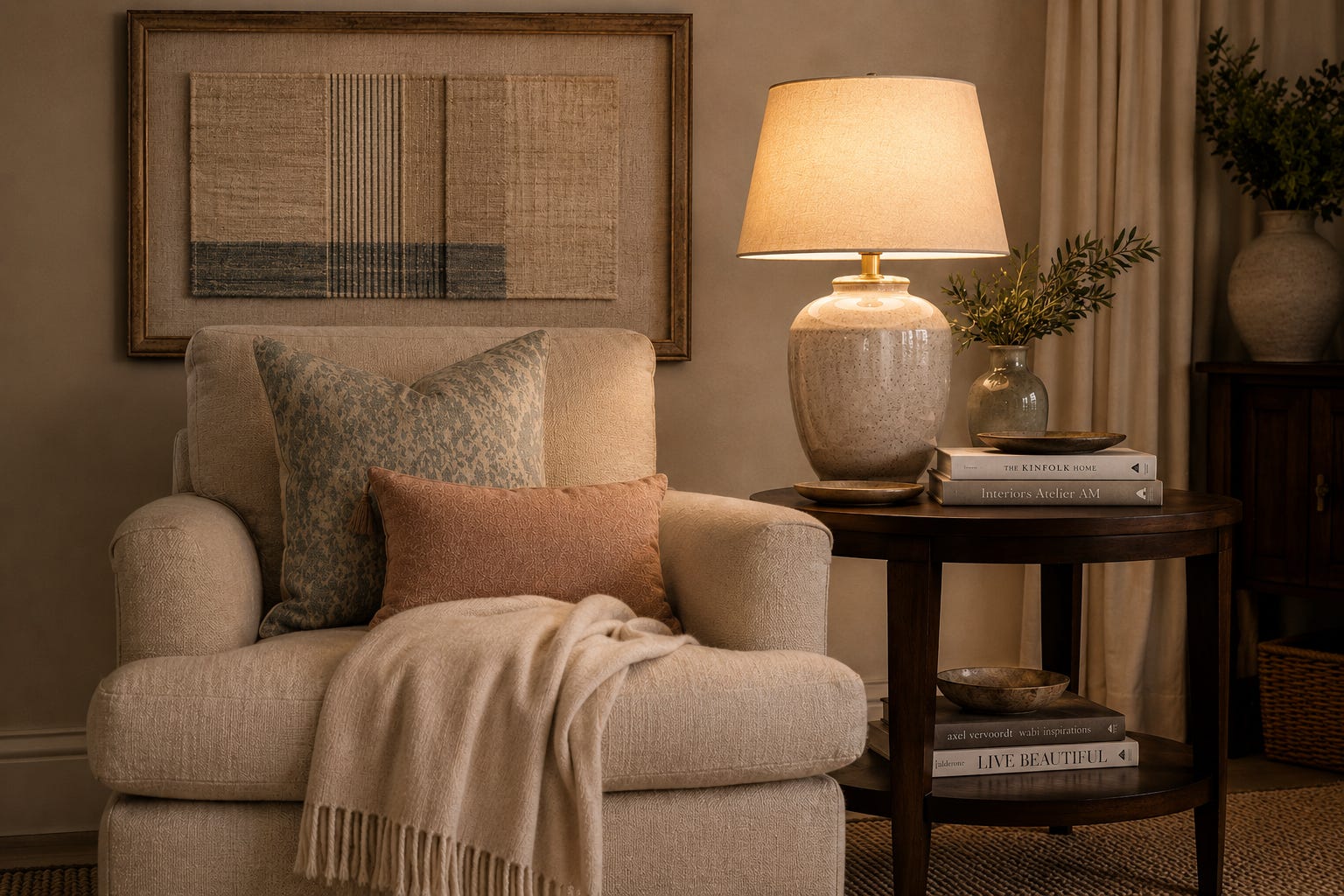
Over time, I’ve found myself returning to pieces made from materials that feel calming, breathable, and quietly durable in daily life. These are the kinds of home essentials that tend to age beautifully while also making a space feel softer and more grounded to live in.
Breathable linen bedding
Solid wood nightstands and dressers
Wool area rugs
Warm layered table lighting
Handmade ceramic vessels and lamps
Natural fiber curtains
Air-purifying essentials for bedrooms
Timeless woven storage baskets
I don’t think creating a calmer home happens all at once. More often, it’s built slowly through thoughtful pieces that quietly improve how your home feels day after day.
What natural materials have made the biggest difference in how your home feels? I’d genuinely love to hear what has helped your home feel calmer, softer, or more grounding over time in your own home.
Some links in this article may be affiliate links. By clicking on them, you help support my work. Don’t worry. I only share materials and brands I do/would use in my own home.
Did you like this article? Subscribe for ~free~ and get my next post in your inbox.