
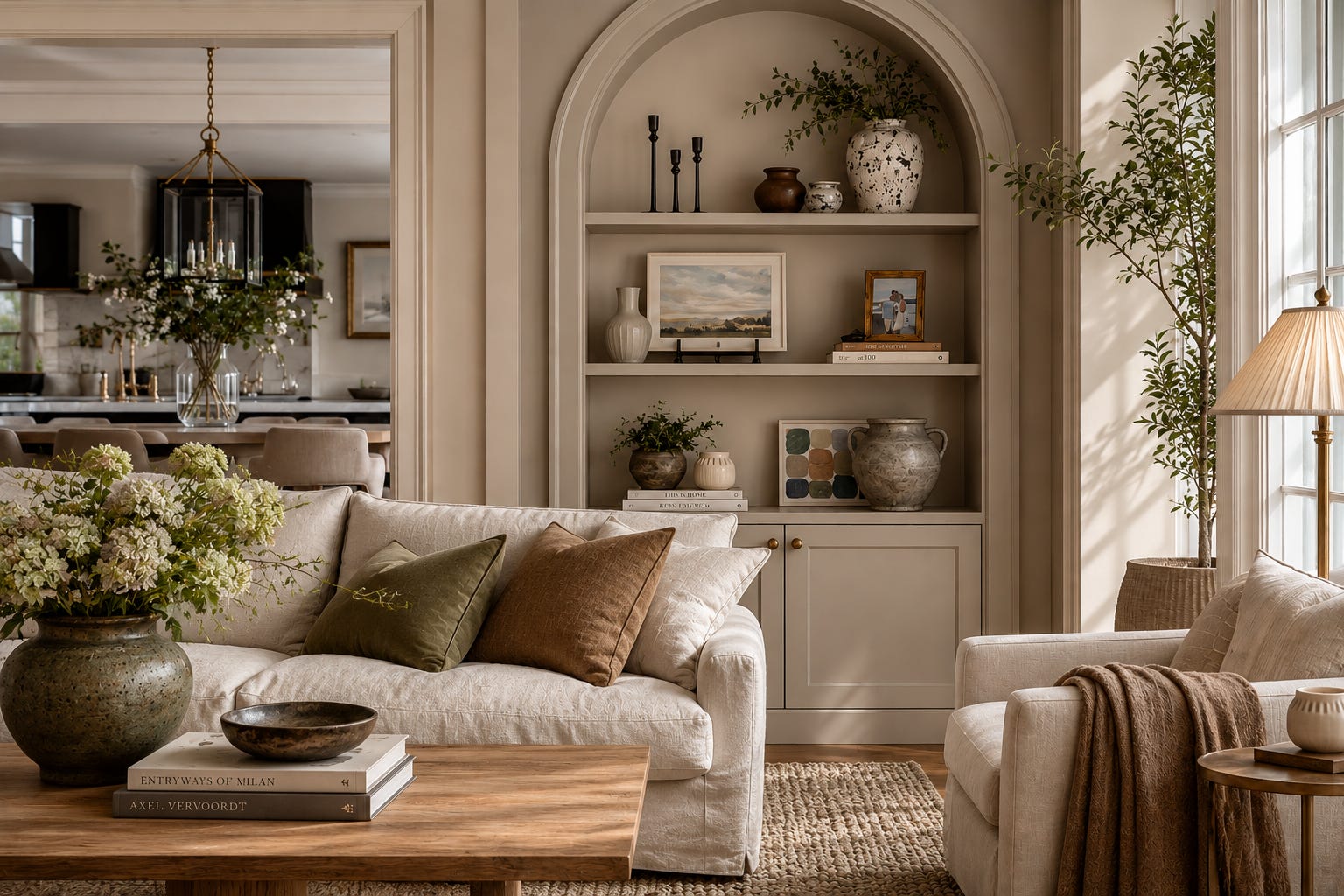
There are certain furniture pieces that quietly change the feeling of a room the moment they enter it.
Not in an obvious or attention-seeking way. More subtly than that.
A solid wood table with softened edges.
A linen chair that feels relaxed rather than overly structured.
A handmade cabinet that carries warmth through its texture and grain instead of relying on visual perfection.
I think many people recognize this feeling immediately, even if they can’t fully explain it.
Over the years, I’ve become increasingly aware of how deeply furniture shapes the emotional atmosphere of a home. Some pieces feel visually loud no matter how beautiful they are. Others seem to create calm simply through their presence.
Working in boutique hospitality taught me that guests rarely remembered whether a space felt expensive. What they remembered was whether it felt restorative.
I think furniture works the same way.
The pieces that stay with us emotionally are often the ones that feel grounded, tactile, and thoughtfully made enough to quietly support daily life for years.
Some Furniture Changes the Entire Feeling of a Room
Furniture carries more emotional weight than we sometimes realize.
A room filled with overly glossy finishes, sharp silhouettes, or synthetic textures can feel visually restless even when everything technically matches.
On the other hand, thoughtfully chosen furniture tends to create a slower, calmer atmosphere almost immediately.
I’ve noticed that quieter furniture often has softer visual edges to it. Natural wood grain. Linen upholstery. Muted finishes that absorb light gently instead of reflecting it harshly. These details create a kind of visual exhale within a room.
The effect is subtle but meaningful.
When furniture doesn’t constantly compete for attention, spaces tend to feel more emotionally grounding. There’s less visual tension. Less sensory noise. The room feels easier to settle into at the end of the day.
I also think proportion matters more than trends.
Furniture that feels balanced within a space — rather than oversized, overly sculptural, or trend-driven — usually ages more gracefully both visually and emotionally. It allows the home itself to feel lived in rather than staged.
That softness changes everything.
Especially in homes where people are already carrying enough stimulation from the outside world.
Thoughtfully Made Furniture Ages Differently
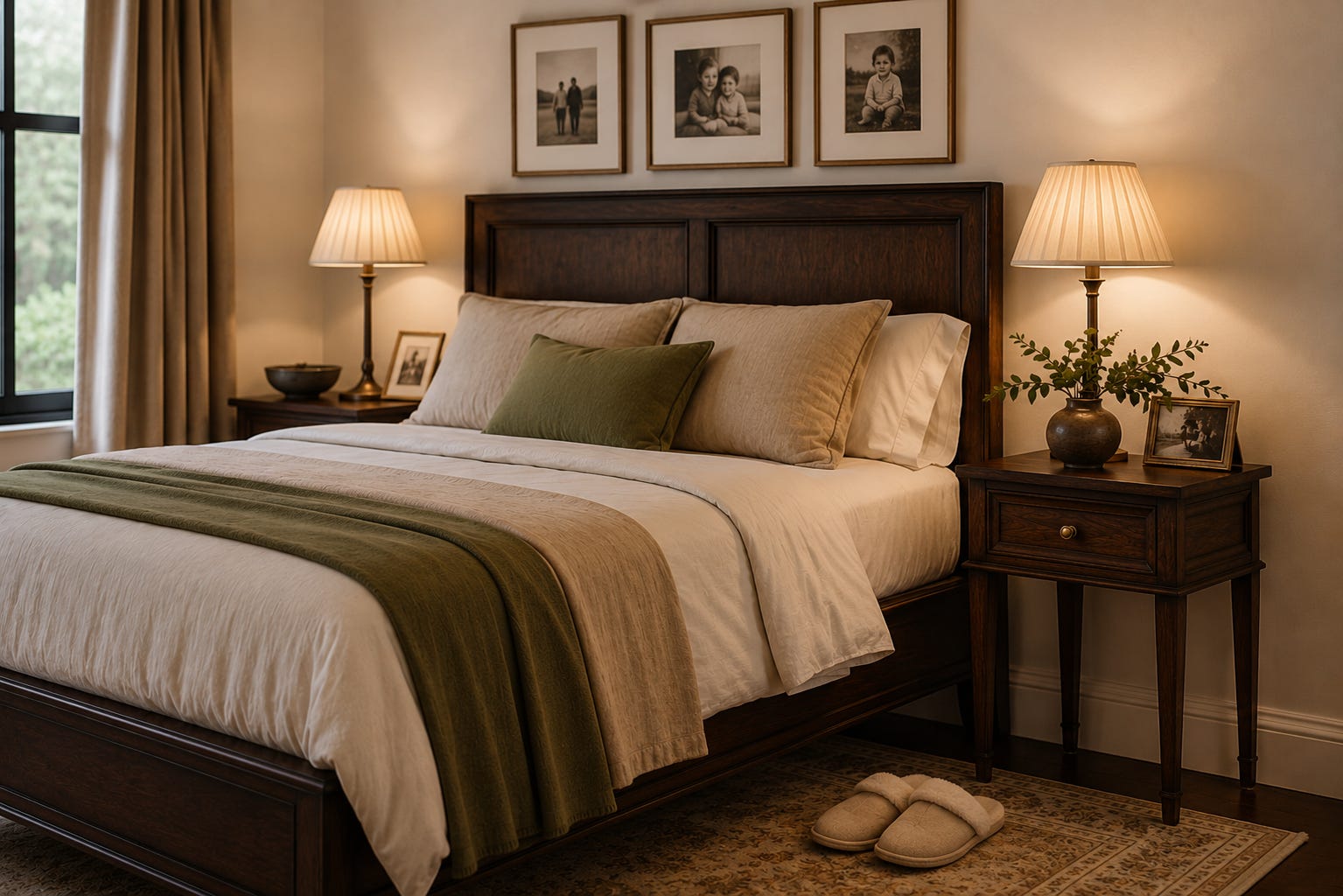
One of the biggest differences I’ve noticed over time is that thoughtfully made furniture tends to wear in rather than wear out.
Solid wood develops depth and character.
Linen upholstery softens naturally.
Hand-finished surfaces often become warmer and more beautiful through everyday use instead of deteriorating quickly under it.
That aging process creates emotional permanence.
Mass-produced furniture often relies heavily on veneers, synthetic finishes, or trend-focused construction designed for immediate visual impact rather than longevity.
And while there’s absolutely nothing wrong with mixing in accessible pieces where needed, I do think certain materials hold daily life more gently than others over time.
I’ve found that the furniture pieces I love most rarely remain pristine.
Instead, they become more familiar. More settled. More connected to memory and routine.
A dining table marked by years of shared meals tends to feel comforting rather than ruined. A softened linen chair often feels more inviting after years of use than it did brand new.
There’s something reassuring about furniture that doesn’t demand perfection from the people living around it.
Especially now, when so much already feels temporary.
Craftsmanship Creates Emotional Warmth
I think craftsmanship affects us emotionally more than we often realize.
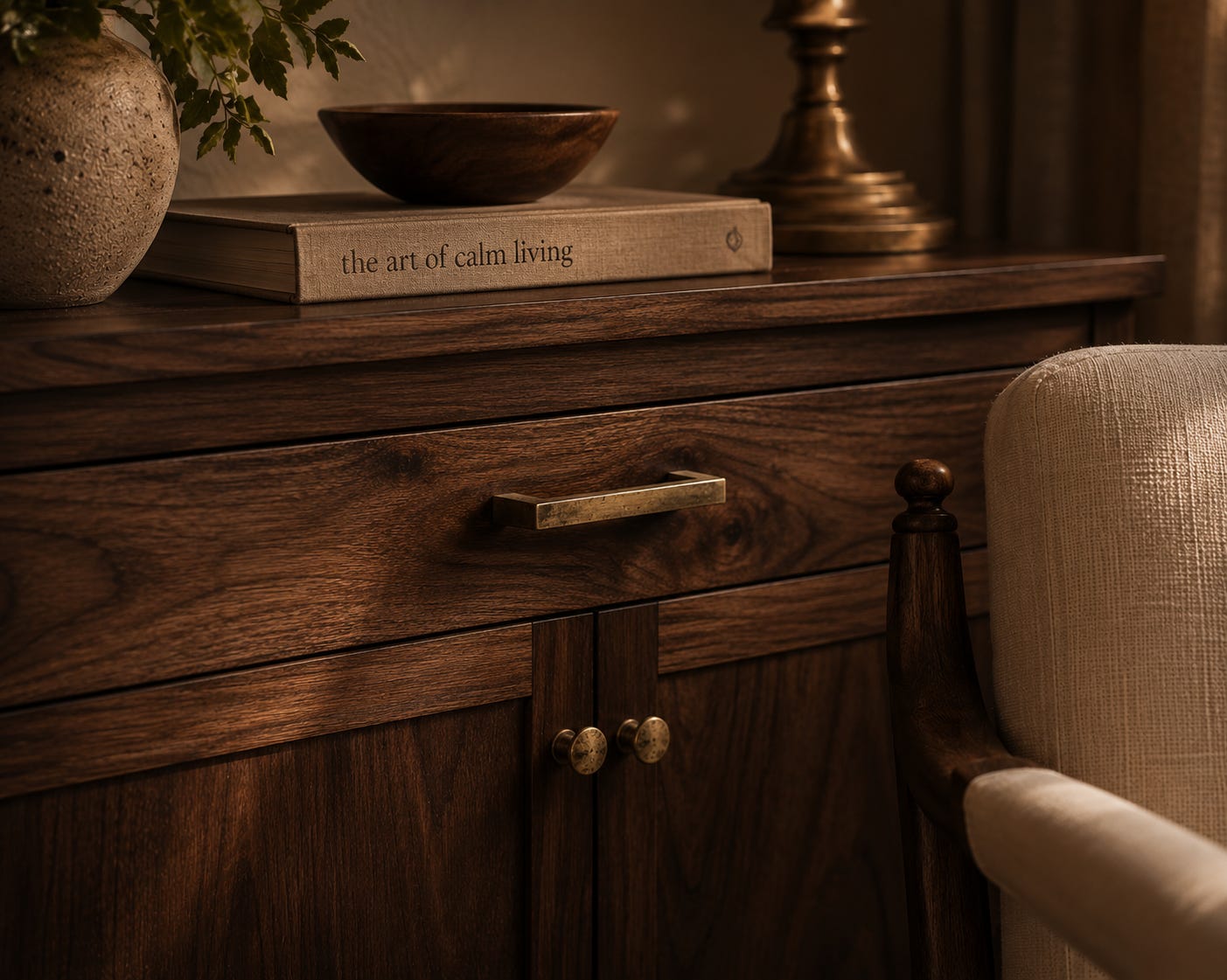
Even small details can completely change how a piece feels in a room — softened corners, visible wood grain, hand-finished textures, natural variation in stone or linen, hardware that feels substantial rather than hollow.
These details create warmth in a very quiet way.
In many thoughtfully made pieces, you can sense that someone considered not only how the furniture would look, but how it would actually live alongside people over time.
The proportions feel calmer.
The materials feel tactile.
Even the imperfections often make the piece feel more human.
That humanity matters.
Mass production tends to prioritize speed, efficiency, and visual replication. Thoughtful craftsmanship, on the other hand, often creates furniture that feels grounded because it carries subtle individuality within it.
I’ve noticed this especially with solid wood furniture and handmade lighting.
Slight tonal shifts, natural markings, and hand-finished details give rooms a softness that perfectly uniform materials sometimes lack.
Ironically, I think those imperfections are often what make a home feel emotionally complete.
Not flawless.
Just deeply lived in.
I Think We’re All Tired of Disposable Spaces
There’s a certain exhaustion that comes from constantly replacing things.
Trend cycles move quickly now, and furniture has increasingly followed the same pattern — fast, temporary, visually optimized for the moment rather than built for long-term comfort.
I think many people feel that fatigue even if they don’t always describe it directly.
Homes begin to feel transient instead of grounding.
I’ve personally become much slower about bringing furniture into our home now. Not necessarily because everything needs to be expensive, but because I want pieces to contribute something emotionally lasting to the atmosphere around us.
Sometimes that means waiting.
Sometimes it means buying fewer things altogether.
And honestly, I think slower decorating often creates more meaningful homes in the end.
Rooms layered gradually tend to carry more warmth and personality because the choices weren’t rushed or purely trend-driven.
Furniture also holds memory in ways we don’t always anticipate at first.
A reading chair becomes tied to evening routines.
A dining table becomes associated with years of conversations, birthdays, and ordinary moments that slowly become meaningful simply because they happened there repeatedly.
That permanence creates comfort.
And I think many people are quietly craving more of it.
A Calm Home Usually Comes From Thoughtful Choices, Not More Things
I don’t think calm homes are usually created through excess.
More often, they’re shaped through restraint, softness, and thoughtful decisions made slowly over time.
A few well-made pieces tend to anchor a room emotionally in ways that constant accumulation rarely can.
Solid wood furniture, timeless upholstery, breathable textures, and warm lighting often create more atmosphere than an endless rotation of decorative trends.
I’ve also found that homes feel calmer when furniture serves daily life gently rather than demanding constant maintenance or visual perfection.
That shift changes the relationship we have with our spaces.
There’s less pressure to impress. Less urgency to constantly update everything. More room for familiarity, comfort, and emotional ease.
And while thoughtfully made furniture can absolutely be an investment, I don’t think creating a grounded home requires perfection or instant transformation.
Some of the most meaningful rooms evolve slowly through pieces chosen carefully over many years.
True luxury rarely feels performative.
It usually feels quiet enough to support real life beautifully.
A Home That Holds Daily Life More Gently
The furniture we live with every day shapes far more than the appearance of a home.
It shapes how a room feels when we walk into it exhausted at the end of the day. It shapes the softness of routines, the comfort of gathering spaces, and the emotional atmosphere surrounding ordinary moments over time.
Thoughtfully made furniture tends to support those experiences quietly.
Not through perfection or excess, but through warmth, texture, longevity, and a sense of permanence that helps a home feel more grounding and emotionally settled.
I think that’s why certain pieces stay with us for years while others quickly fade into the background.
The best furniture often doesn’t demand attention constantly.
It simply helps life feel calmer around it.
A Few Questions I’m Often Asked
What makes thoughtfully made furniture better quality?
Thoughtfully made furniture usually prioritizes durable materials, stronger construction methods, and long-term comfort rather than short-term trends. Solid wood, quality joinery, natural upholstery, and hand-finished details often create furniture that ages more gracefully over time.
Is solid wood furniture worth the investment?
I personally think solid wood furniture is one of the most worthwhile long-term investments for a home.
It tends to last significantly longer, develops beautiful character with age, and often feels warmer and more grounding than heavily manufactured materials.
How can you tell if furniture is well made?
I usually look for natural materials, substantial weight, visible craftsmanship, sturdy joinery, softened finishes, and thoughtful proportions. Well-made furniture often feels calm and balanced rather than overly flashy or trend-focused.
Why does some furniture feel calmer in a room?
Natural textures, softened edges, warm finishes, and balanced proportions all affect how a room feels emotionally.
Furniture made from tactile materials like wood, linen, wool, and stone often creates less visual harshness and more sensory warmth.
Can you create a timeless home without buying everything new?
Absolutely. I actually think the most timeless homes evolve slowly over time.
Gradually replacing pieces with thoughtful materials, layered textures, and furniture that genuinely supports daily life often creates a more personal and lasting atmosphere.
Pieces I Trust
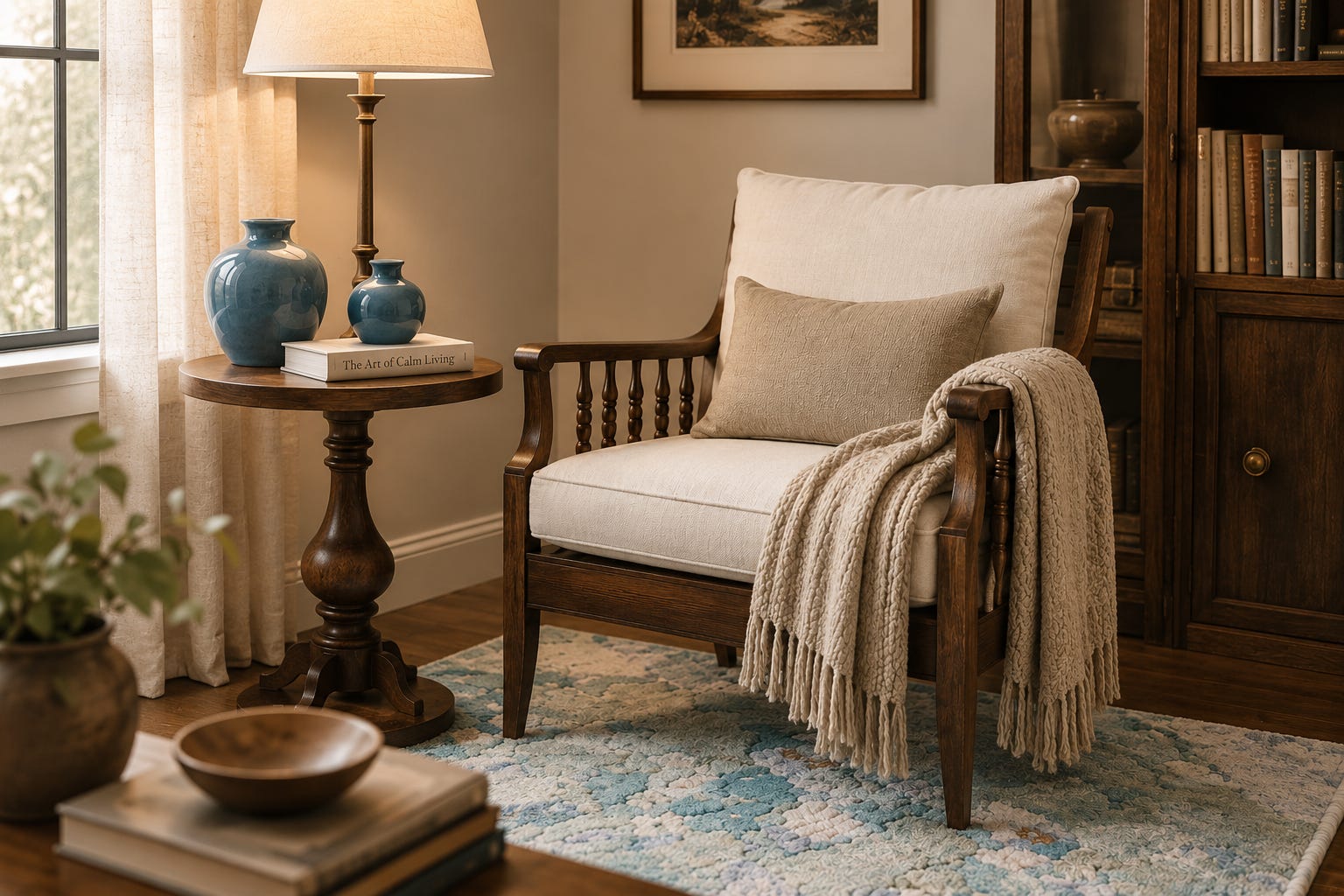
Over time, I’ve found myself returning to furniture and materials that feel calming, durable, and emotionally grounding to live with every day. These are the kinds of pieces that tend to soften beautifully over time while also helping a home feel warmer, quieter, and more settled overall.
Solid wood dining tables
Linen-upholstered seating
Handmade bedside lighting
Wool rugs
Thoughtfully crafted storage furniture
Natural wood bed frames
Hand-finished side tables
Timeless woven accents
I don’t think meaningful homes are created all at once. More often, they’re built gradually through thoughtful pieces that quietly improve how daily life feels over time.
What furniture pieces in your home have become more meaningful to you over the years? I’d genuinely love to hear which pieces make your home feel calmer, softer, or more grounding every day.
Some links in this article may be affiliate links. By clicking on them, you help support my work. Don’t worry. I only share materials and brands I do/would use in my own home.
Did you like this article? Subscribe for ~free~ and get my next post in your inbox.