
Intro
When I first started paying attention to the materials in my home, furniture wasn’t the obvious place to begin. I thought about air, light, maybe bedding. But not the dresser or the table quietly sitting in the corner.
And yet, furniture is something we live with every day. We touch it, lean on it, store our belongings inside it. It becomes part of the rhythm of a home in a way that’s easy to overlook.
Over time, I began to notice subtle differences. Some pieces felt grounding and calm. Others felt temporary, almost restless. That’s when I started to understand the quiet but important distinction between solid wood and MDF.
It isn’t just about durability or cost. It’s about how a home feels, how it ages, and what it’s made of at its core.
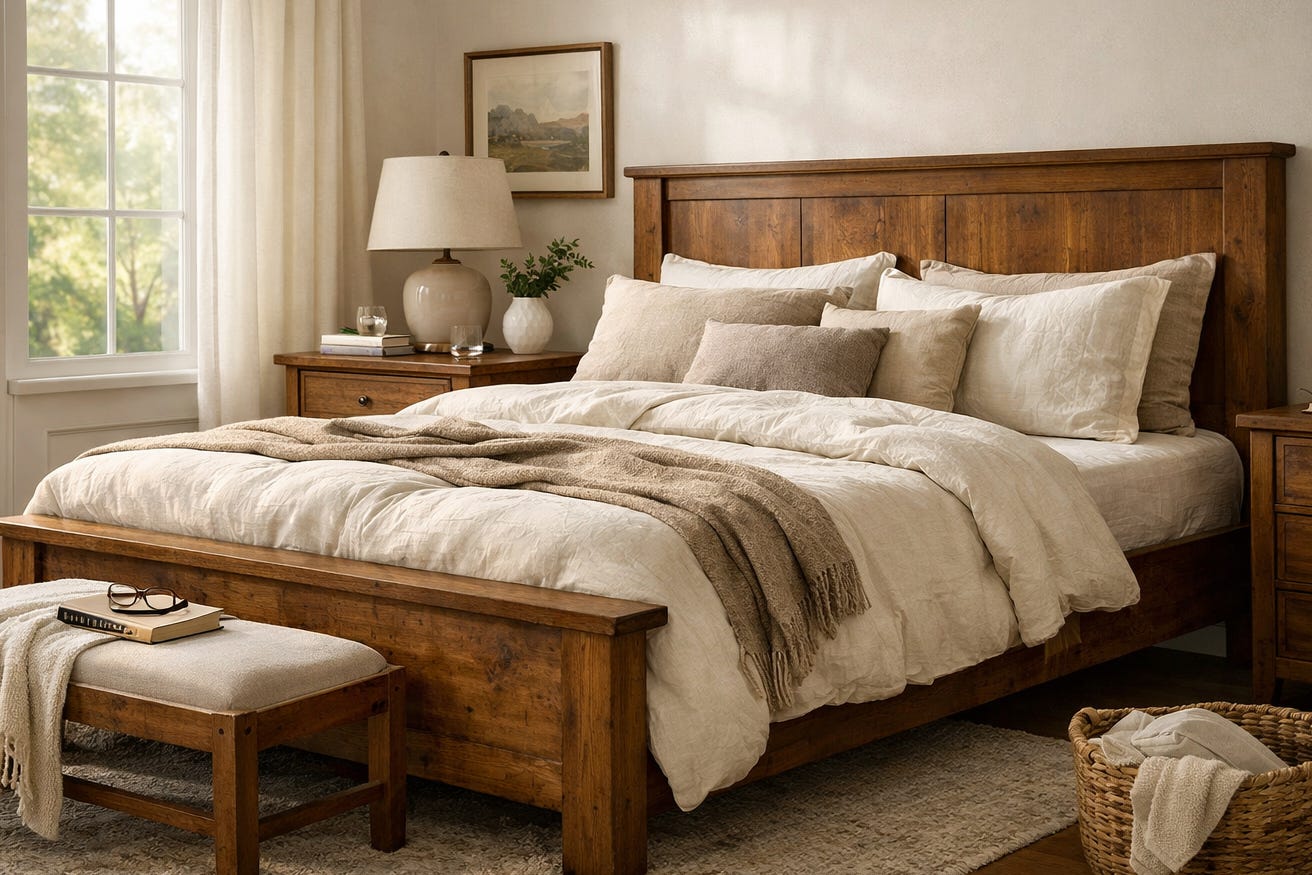
What Solid Wood Furniture Brings to a Home
Solid wood has a presence that’s hard to replicate. It carries weight—not just physically, but visually and emotionally. A wooden table or dresser doesn’t feel like it was assembled. It feels like it was made.
One of the first things I noticed with solid wood is how it responds to light. Grain patterns shift throughout the day, catching morning light differently than they do in the evening. It creates a kind of quiet movement in the room.
There’s also a sense of permanence. Solid wood furniture is often built to last for decades. It can be refinished, repaired, and passed down. Over time, it develops a softness and depth that newer pieces simply don’t have yet.
From a materials perspective, it’s also simpler. Solid wood is exactly what it sounds like—natural wood, shaped and finished. When finished thoughtfully, it can contribute to a healthier indoor environment compared to more heavily processed materials.
Understanding MDF and Engineered Furniture Materials
MDF, or medium-density fiberboard, is a very different kind of material. It’s made by breaking down wood fibers and binding them together with resins to create a smooth, uniform board.
At first glance, MDF can look similar to painted wood furniture. It often has clean lines and a consistent finish. In some designs, that simplicity works well visually.
But over time, the differences tend to show. MDF doesn’t respond to wear in the same way. It can chip or swell if exposed to moisture, and it isn’t something that can be refinished in the way solid wood can.
There’s also the question of what holds it together. The resins used in MDF can contain adhesives that contribute to indoor air concerns, especially in lower-quality pieces. Not all MDF is the same, but it’s something I’ve become more aware of when choosing materials.
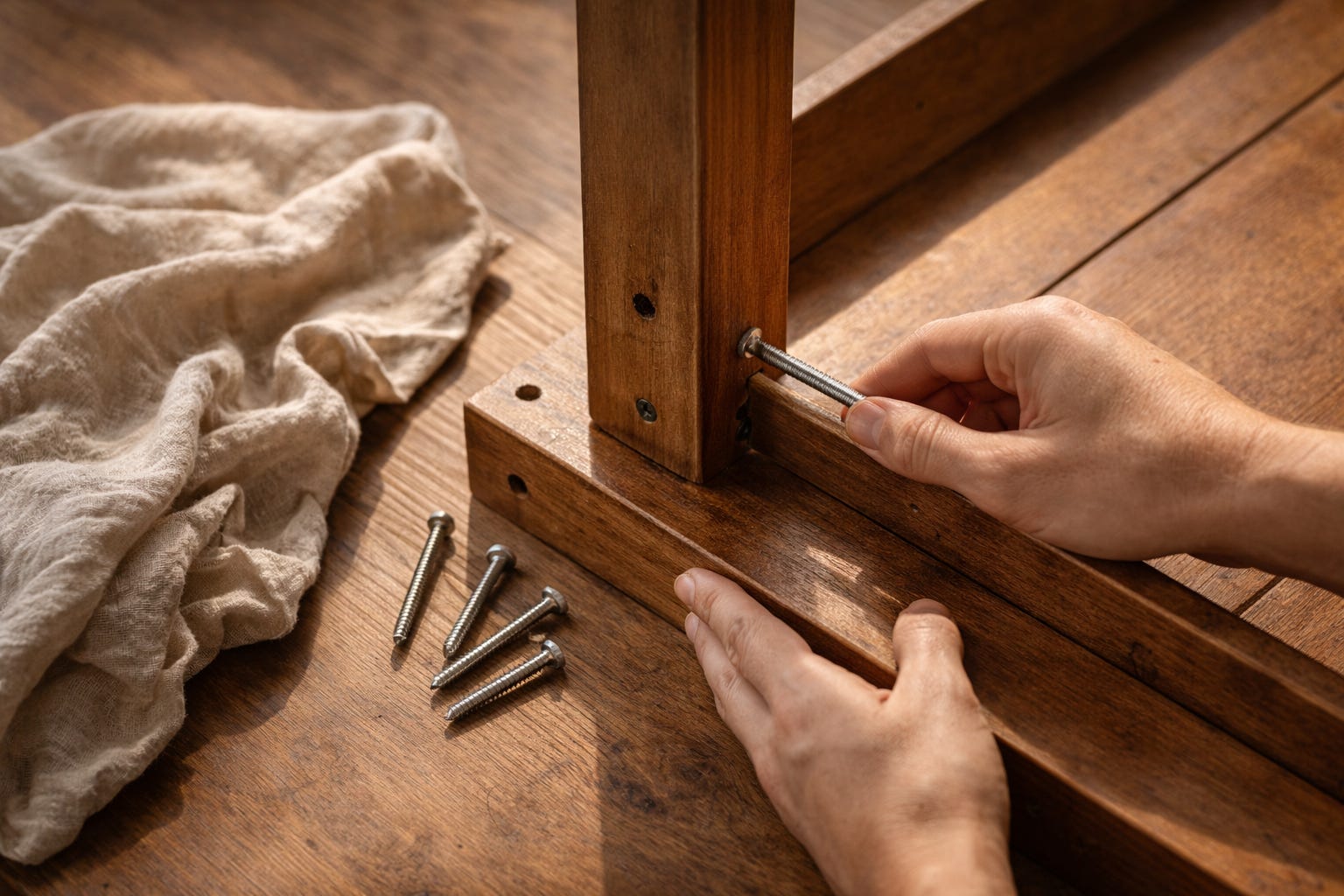
Durability, Longevity, and How Furniture Ages
One of the clearest differences between solid wood and MDF shows up over time.
Solid wood tends to age slowly and gracefully. Small marks or changes become part of its character. A table might develop a patina. A dresser might soften in tone. These changes don’t feel like damage—they feel like a record of living.
MDF, on the other hand, doesn’t age in quite the same way. When it wears, it often looks worn rather than lived-in. Edges can fray, surfaces can bubble, and repairs are more difficult.
If you think about furniture as something temporary, MDF can serve a purpose. But if you’re creating a home that you want to grow with over time, solid wood tends to offer a different kind of stability.
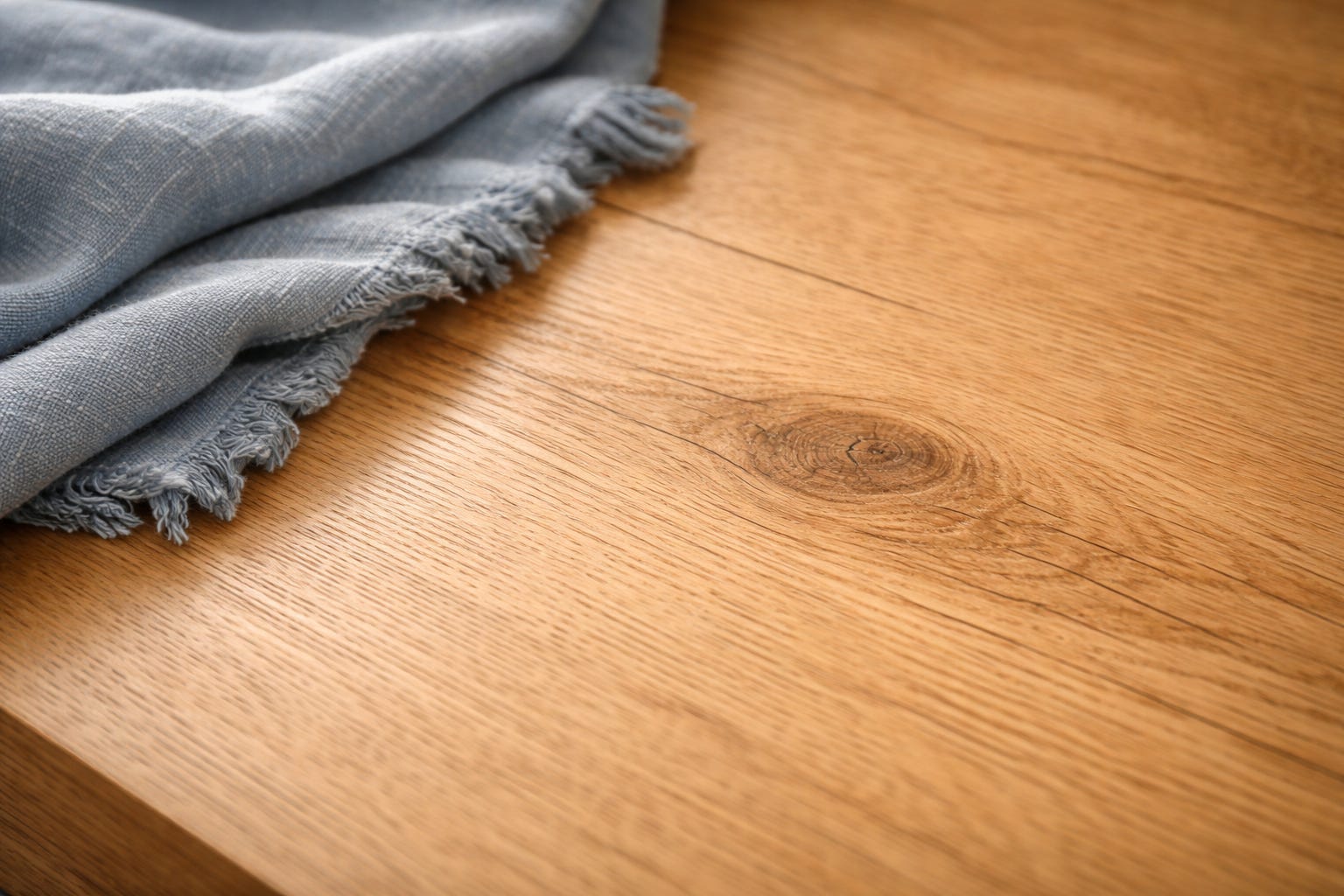
Cost, Practicality, and Choosing What Works for You
There’s no ignoring that solid wood furniture often comes at a higher upfront cost. It’s heavier, more labor-intensive, and built differently.
MDF is more accessible. It allows for lower price points and can make certain designs possible that would be more expensive in solid wood.
For me, the shift wasn’t about replacing everything at once. It was about choosing more carefully over time. A solid wood bed frame. A well-made table. Pieces that I knew I would keep.
There’s also a middle ground. Some furniture uses a combination of materials, with solid wood in key structural areas. Understanding what you’re buying becomes part of the process.
Creating a Healthier, More Grounded Home with Natural Materials
When I think about the materials in a home now, I think less about perfection and more about direction.
Solid wood isn’t just a design choice. It’s a material that feels steady. It brings warmth without needing to try. It ages in a way that feels natural and unforced.
Choosing fewer, better pieces has slowly changed how my home feels. Quieter. More settled. Less temporary.
And that shift doesn’t have to happen all at once. Even one piece can begin to change the atmosphere of a room.
Conclusion
A home doesn’t need to be filled with perfect things to feel calm.
But the materials we choose do shape the way a space settles around us. Some feel fleeting. Others feel like they belong, even as time moves through them.
Solid wood has a way of doing that quietly. It doesn’t ask for attention. It simply stays, softening and deepening with use.
And sometimes, creating a healthier home isn’t about replacing everything.
It’s about choosing, piece by piece, what you want to live with for a long time.
Are there any MDF pieces in your home that you’d like to replace with solid wood?
Some links in this article may be affiliate links. By clicking on them, you help support my work. Don’t worry. I only share materials and brands I do/would use in my own home.
Did you like this article? Subscribe for ~free~ and get my next post in your inbox.