
Why Solid Wood Feels Different the Moment You Bring It Home
There’s a certain weight to solid wood furniture that you notice right away.
I remember the first time I replaced a piece of MDF furniture with solid wood. It wasn’t just heavier. It felt steadier, quieter, more grounded in the room.
At first, I thought it was just aesthetics. The grain, the tone, the way light moved across the surface.
But over time, I realized it was something deeper.
Solid wood doesn’t just sit in a space. It becomes part of it. It responds to light, to air, to time. It develops character instead of wearing out.
Once I experienced that shift, I started paying closer attention to what furniture was actually made of, not just how it looked on the surface.
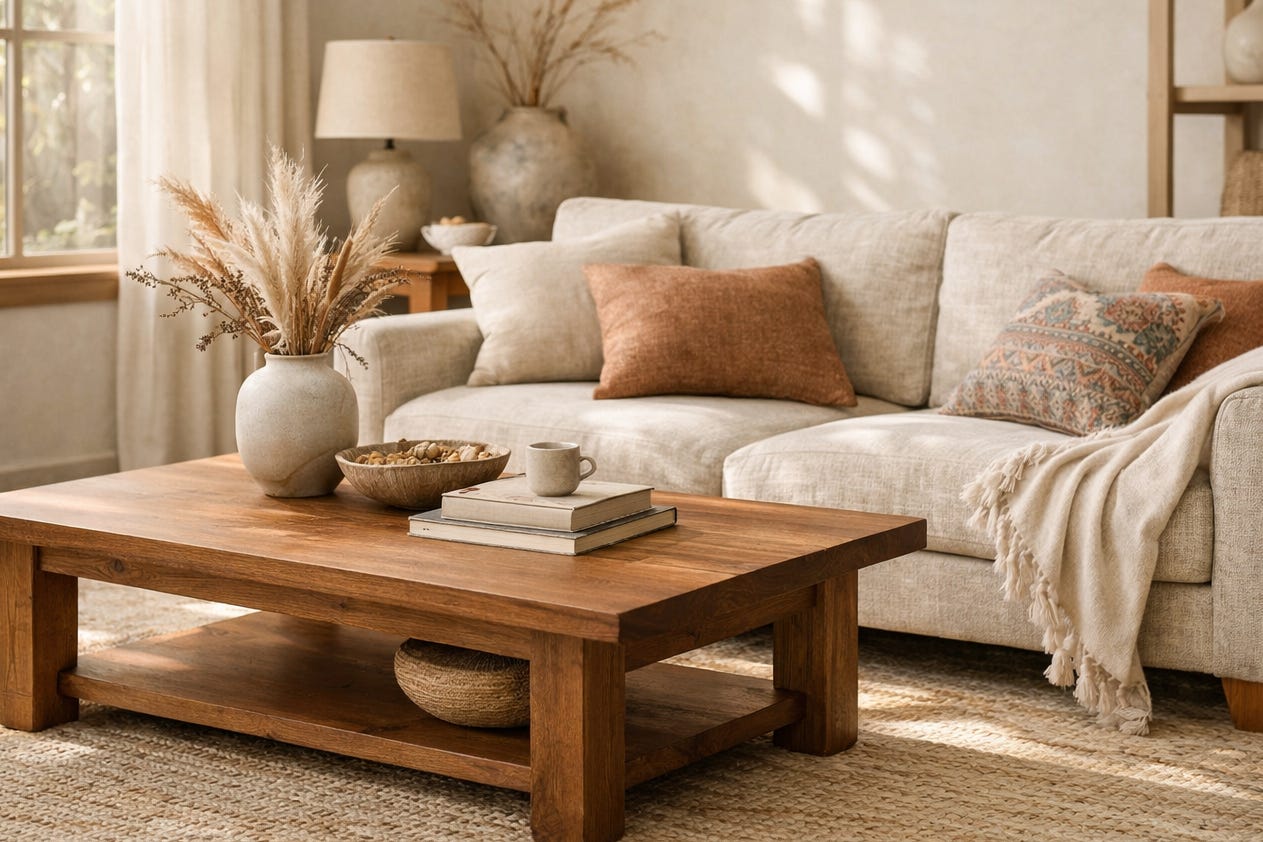
Understanding What “Solid Wood” Really Means
Not all wood furniture is what it seems.
I’ve learned that the term “solid wood” can sometimes be used loosely, which makes it important to understand what you’re actually looking at.
True solid wood furniture is made from natural lumber throughout the structure, not just on the surface. That means the frame, legs, and main components are all wood, not engineered cores with a veneer on top.
There are also pieces that combine solid wood with engineered materials. These can still be well-made, but they’re not the same as fully solid construction.
When I shop, I look beyond the finish and ask simple questions.
What is the core material?
Where is solid wood used, and where is it not?
That clarity makes it much easier to compare pieces and understand what I’m actually investing in.
Types of Wood and How They Affect Durability
Different types of wood behave differently over time.
Hardwoods like oak, maple, walnut, and cherry are generally more durable and resistant to wear. They tend to hold their structure well and develop a richer patina as they age.
Softwoods like pine can still be beautiful, but they dent more easily and often feel lighter.
I’ve found that choosing wood is partly about lifestyle. A dining table that sees daily use benefits from a harder wood, while a bedside table can be a bit more forgiving.
It’s not about choosing the “best” wood.
It’s about choosing the right one for how the piece will be used.
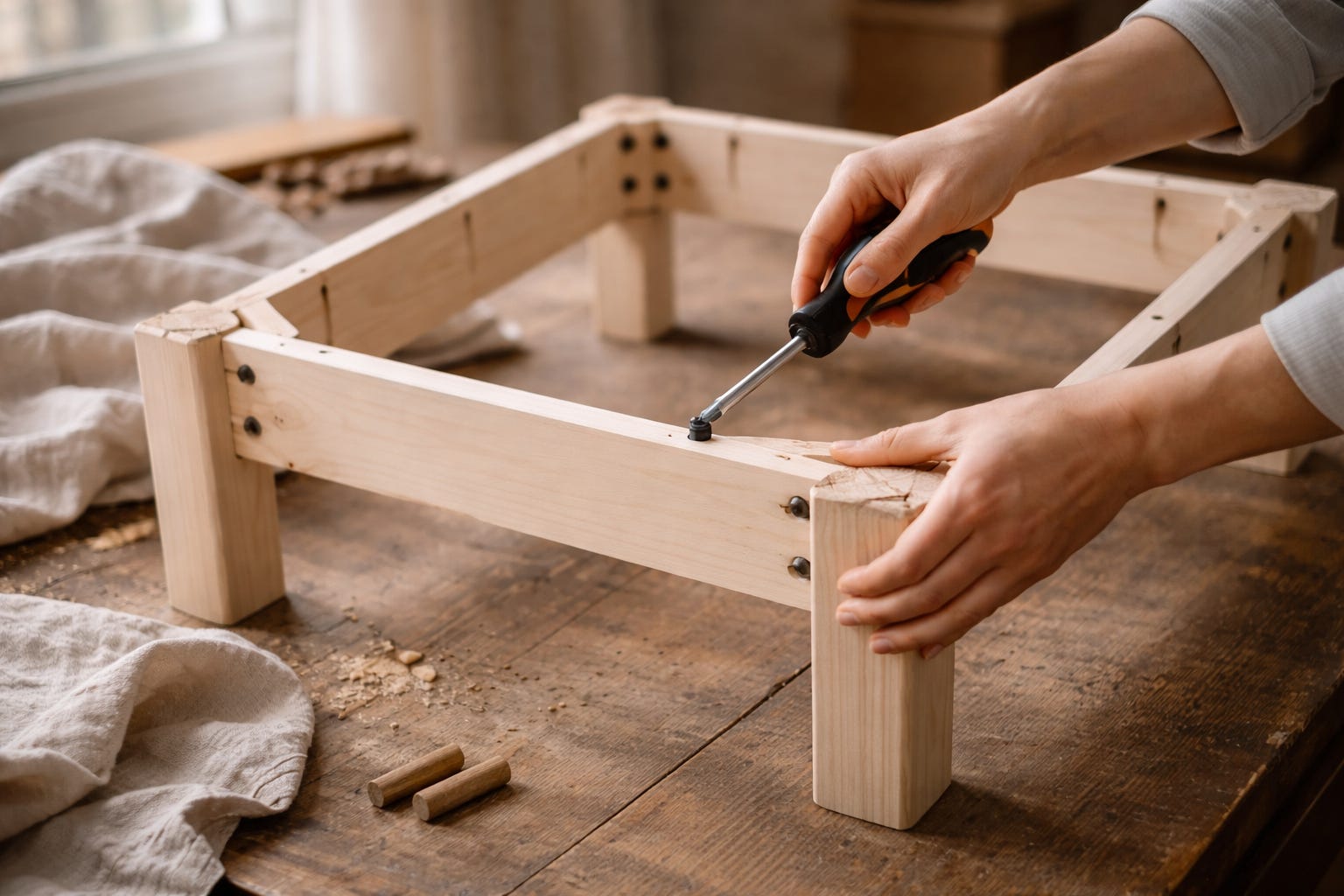
Construction Details That Reveal True Quality
This is where solid wood furniture really separates itself.
Joinery matters.
I’ve started to look for details like dovetail joints, mortise and tenon construction, and solid connections instead of staples or glue alone.
These details often aren’t obvious at first glance, but they make a significant difference over time.
Drawers that glide smoothly, frames that feel stable, and edges that are carefully finished all signal thoughtful construction.
I’ve also learned to gently test pieces. A slight movement or wobble can tell you more than a product description ever will.
Quality construction doesn’t need to announce itself loudly.
It shows up in how the piece feels when you interact with it.
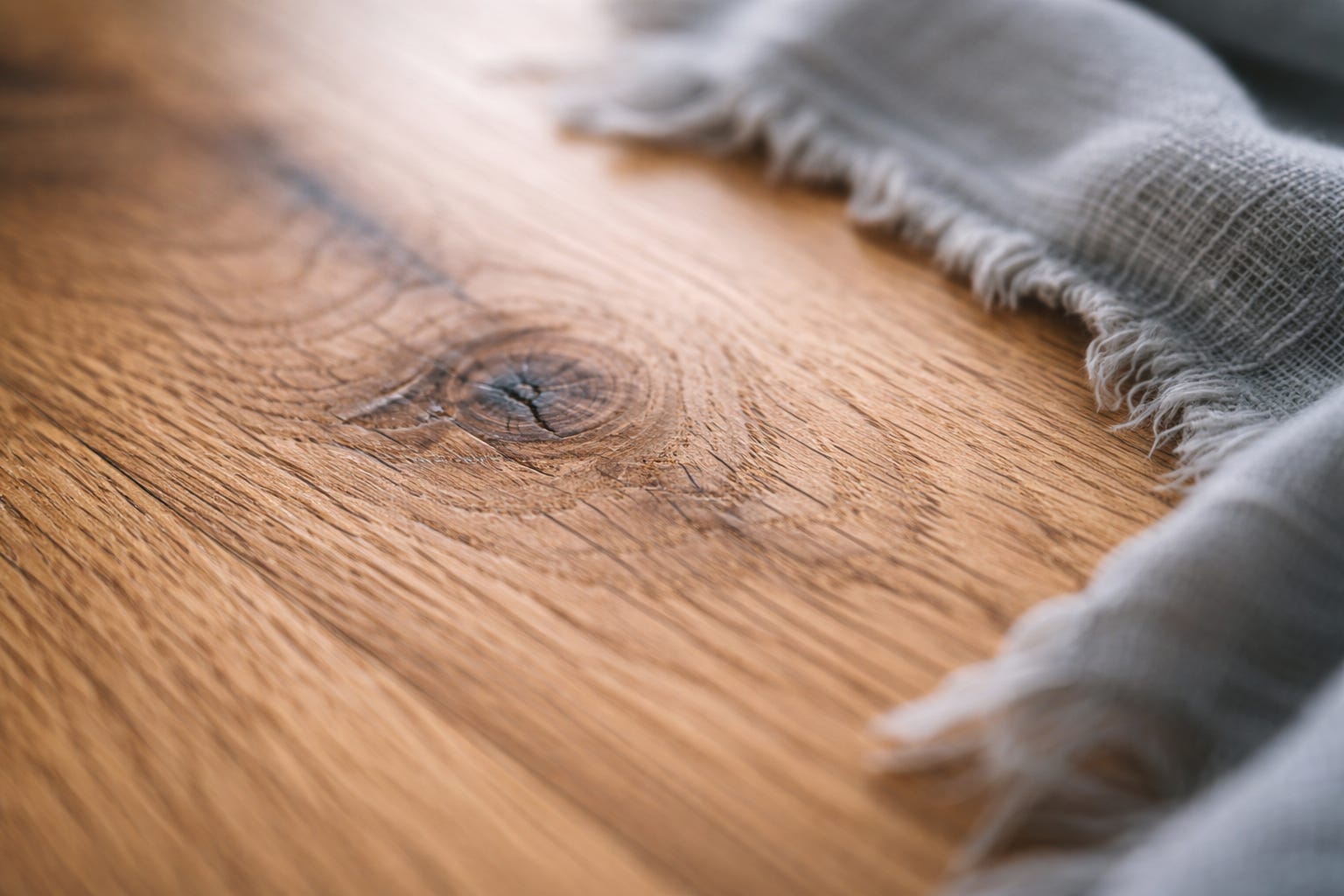
Finishes and Treatments to Pay Attention To
The finish of a piece affects both how it looks and how it lives in your home.
Some finishes seal the wood completely, creating a more uniform appearance. Others allow the grain to remain visible and tactile.
I tend to gravitate toward finishes that feel more natural, oils or low-VOC sealants that protect the wood without masking it entirely.
These finishes allow the material to age gracefully. Scratches and wear become part of the story instead of something that ruins the piece.
It’s a small detail, but it changes how the furniture feels over time.
How to Choose Pieces That Will Last in Your Home
Buying solid wood furniture is less about trends and more about longevity.
I try to choose pieces that feel appropriate not just for the room today, but for how I want the space to evolve.
Simple forms, natural finishes, and quality materials tend to outlast more decorative or trend-driven pieces.
I also think about how a piece will age.
Will it look better with time?
Will it adapt if the room changes?
When those answers feel clear, the decision becomes easier. It feels less like a purchase and more like a long-term addition to the home.
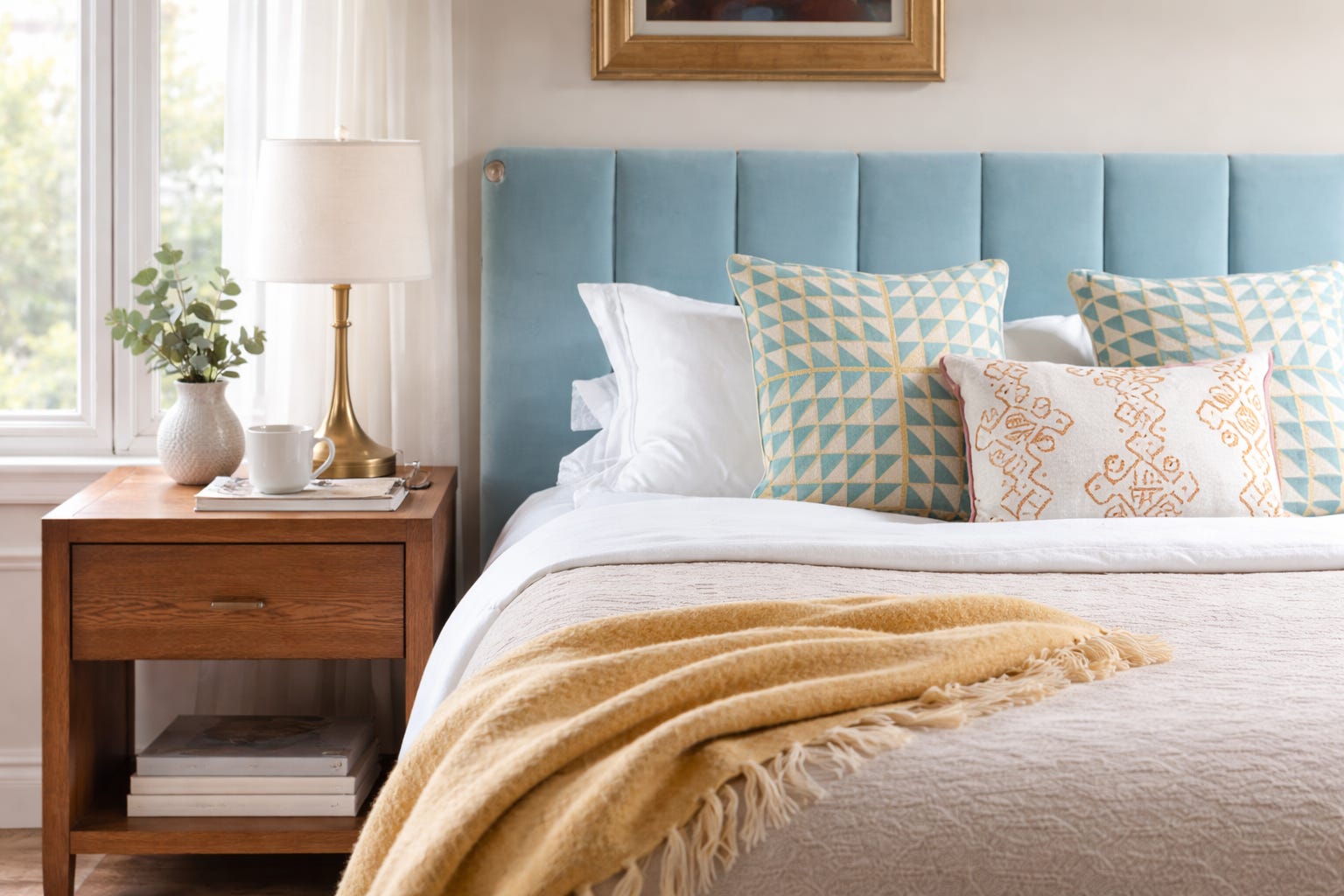
The Difference You Can Feel Every Day
Solid wood furniture doesn’t just change how a room looks. It changes how it feels.
There’s a steadiness to it. A sense that the piece belongs, rather than simply filling space.
I didn’t fully understand that at first. But once I lived with it, the difference became clear.
And over time, those choices shape a home that feels more grounded, more natural, and easier to live in.
When you look around your home, are there pieces that feel temporary rather than lasting?
Some links in this article may be affiliate links. By clicking on them, you help support my work. Don’t worry. I only share materials and brands I do/would use in my own home.
Did you like this article? Subscribe for ~free~ and get my next post in your inbox.