
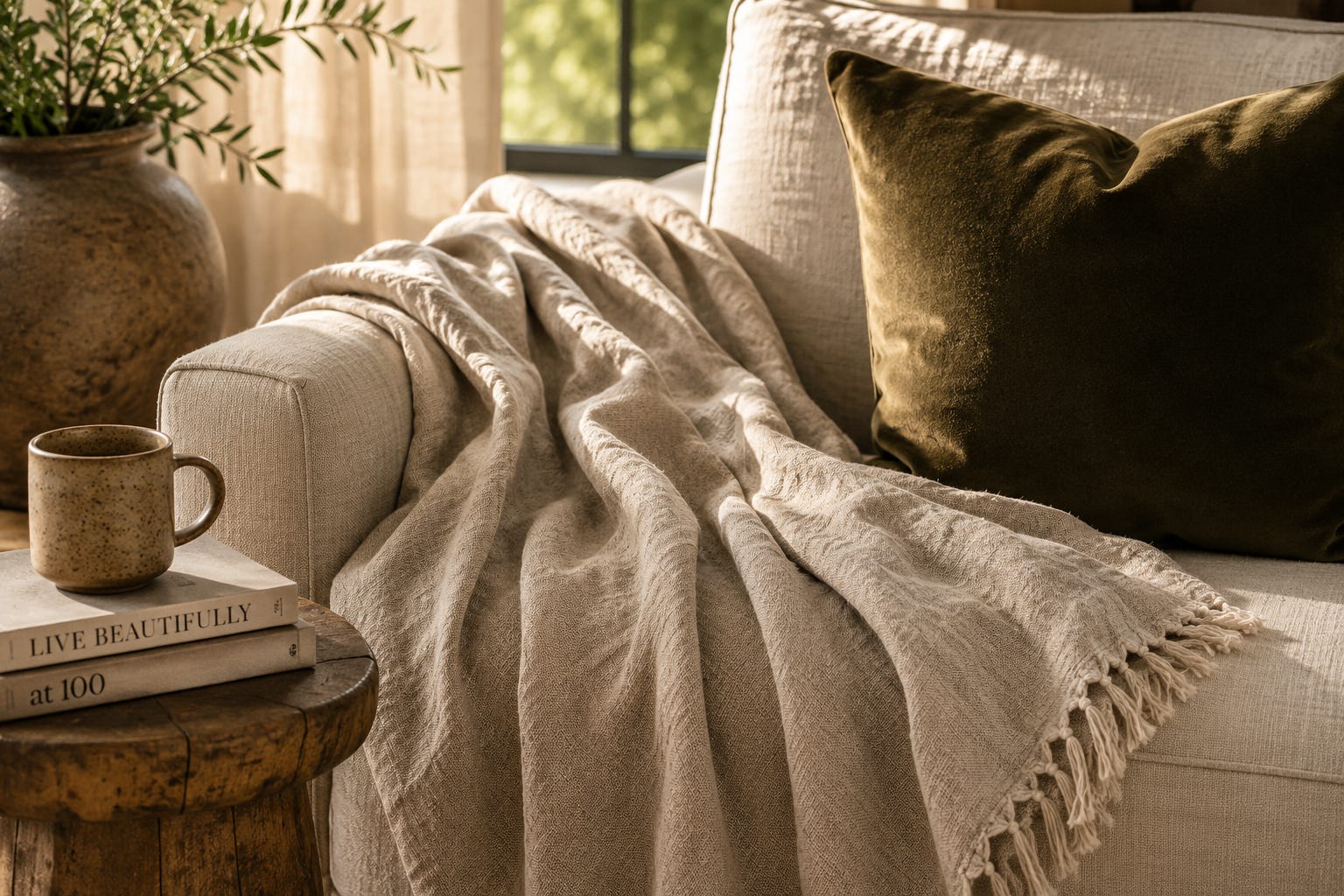
There are certain blankets that seem to become part of daily life almost without us realizing it.
They live draped over the arm of a favorite chair.
They’re the ones family members reach for during movie nights.
Somehow, they’re always the blankets that end up folded at the foot of the bed or carried from room to room throughout the day.
And then there are blankets that look beautiful but never seem to get used.
I’ve always found that the difference has less to do with appearance and more to do with how a blanket actually feels.
Texture, breathability, weight, and comfort all play a role in whether something becomes a trusted part of everyday life or simply another decorative layer.
When comparing natural and synthetic throws and blankets, there isn’t one perfect choice for everyone.
But after living with both, certain patterns tend to emerge.
The blankets people love most often aren’t just warm.
They’re comfortable in a deeper, more lasting way.
Why Blanket Materials Matter More Than We Realize
When most people shop for a blanket, they focus on color, size, or how soft it feels in the store.
Those things certainly matter.
But long-term comfort is often determined by the material itself.
Different fibers interact with heat, moisture, and airflow in different ways.
Some materials trap warmth efficiently but become uncomfortable after extended use.
Others regulate temperature more naturally, creating a feeling of comfort that remains consistent throughout the day and night.
This is one reason blanket preferences tend to become surprisingly personal.
What we’re often responding to isn’t simply softness.
We’re responding to how a material makes us feel.
Does it feel breathable?
Does it feel calming?
Does it create a sense of comfort without becoming overwhelming?
The answers often have more to do with fiber content than appearance.
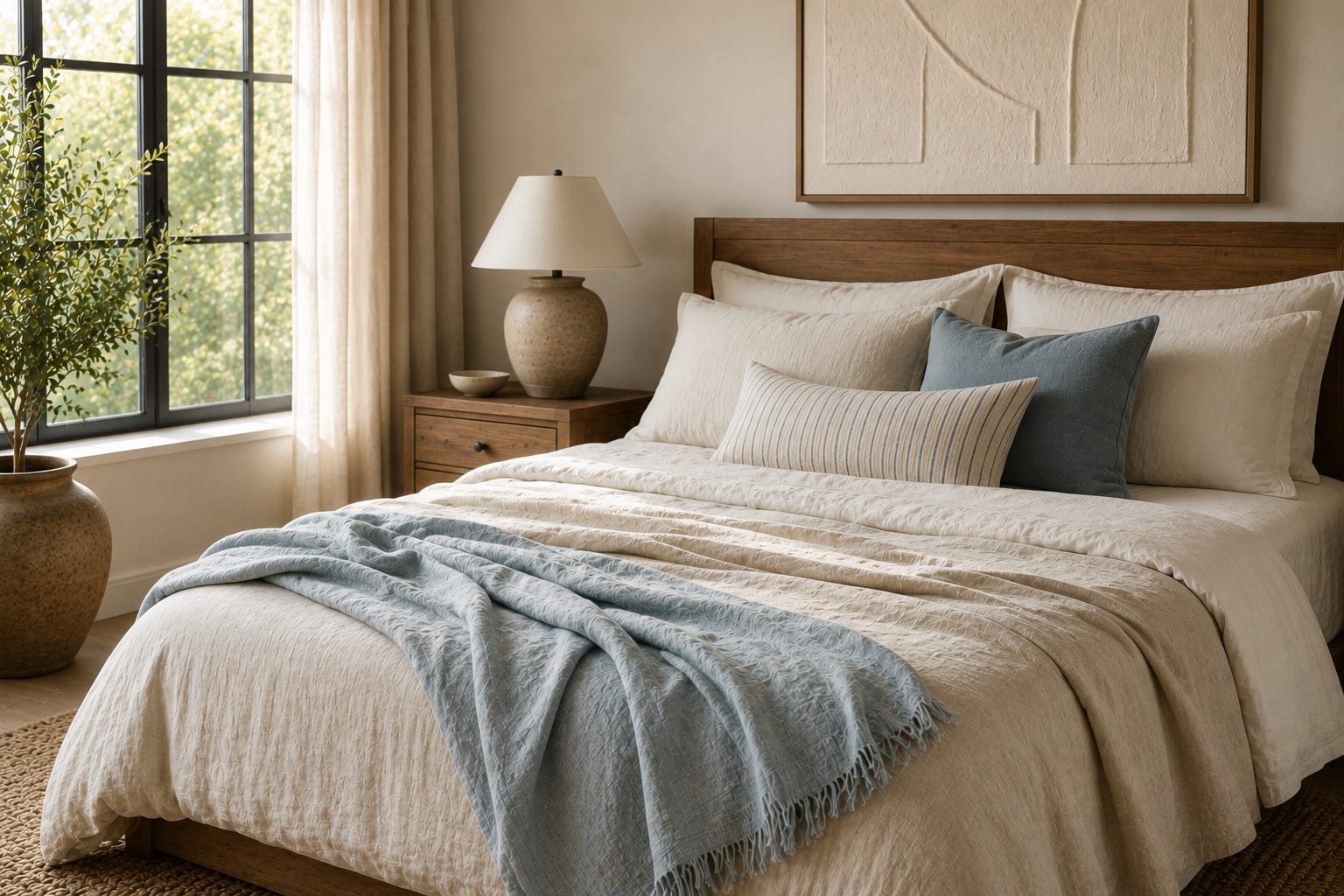
The Difference Between Warmth and Breathability
One of the biggest misconceptions about blankets is that warmer automatically means better.
In reality, warmth and comfort aren’t always the same thing.
A blanket can provide significant warmth while still feeling stuffy, heavy, or overly insulating.
Breathability plays a major role in overall comfort.
Natural fibers such as wool, cotton, and linen allow air to move more freely, helping regulate temperature throughout use. Rather than trapping excess heat, they often create a more balanced sleeping or lounging experience.
I’ve noticed that blankets made from natural fibers tend to feel comfortable for longer periods of time.
Instead of constantly adjusting them, kicking them off, or pulling them back on, they simply feel easier to live with.
That balance can make a surprisingly large difference.
Comfort often comes from staying warm without feeling trapped beneath layers.
How Natural Fibers Tend to Feel Over Time
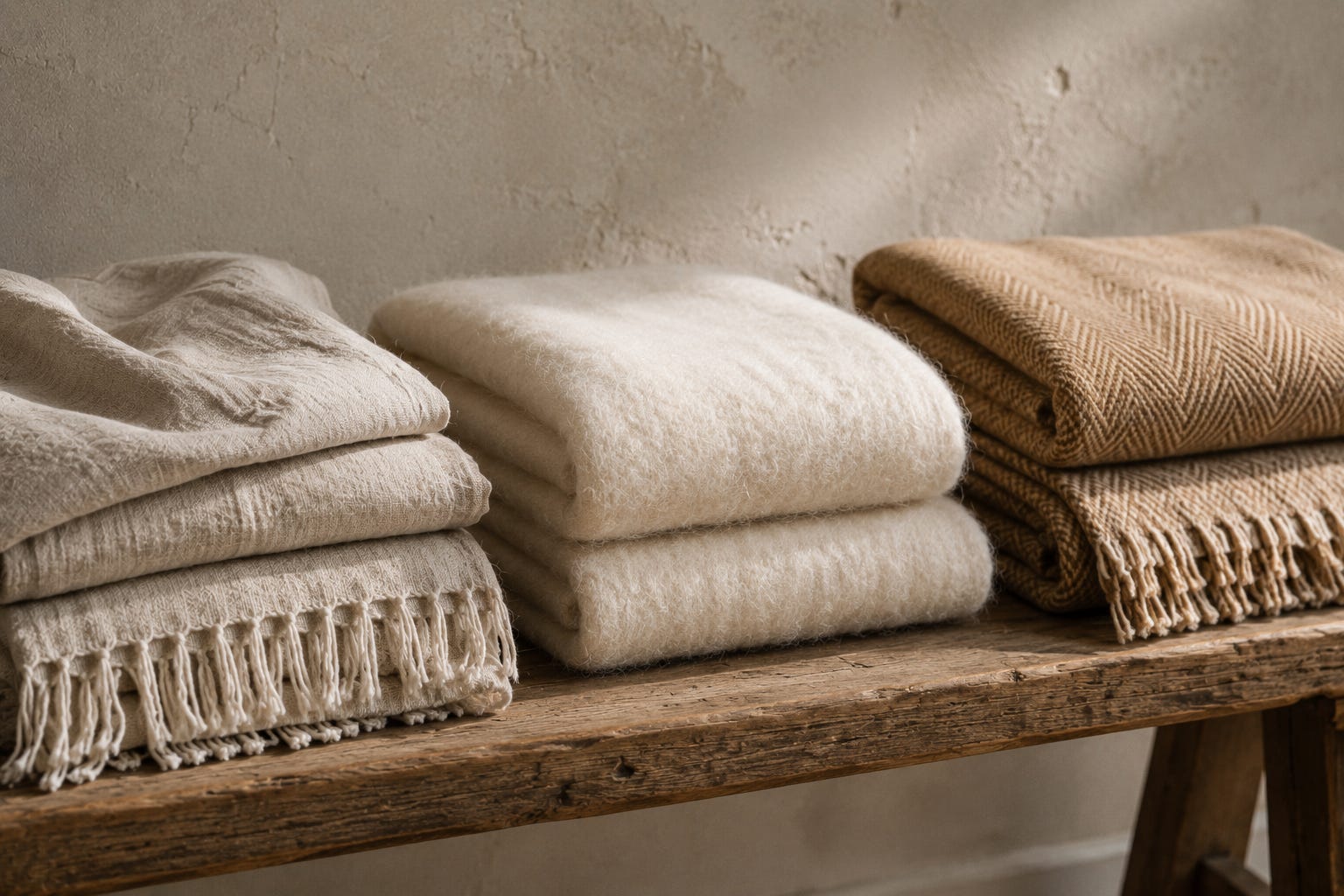
One quality I appreciate about natural materials is how they tend to age.
Rather than feeling worn out, many natural fibers develop character and softness through regular use.
Cotton becomes more relaxed.
Linen often softens beautifully over time.
Wool develops a familiar, comforting quality that many people grow attached to.
Even cashmere, when properly cared for, often becomes more enjoyable with age.
These materials feel less disposable.
They become part of daily routines.
I often think about natural blankets the same way I think about solid wood furniture or linen curtains.
Their beauty comes not only from how they look, but from how they feel after years of living with them.
That sense of familiarity contributes to comfort.
A favorite blanket rarely earns its place overnight.
It becomes a favorite through repeated use.
Why Synthetic Blankets Feel Different
Synthetic blankets are popular for good reasons.
They’re often affordable, easy to care for, lightweight, and exceptionally soft when new.
Materials such as polyester fleece and microfiber are designed to create immediate softness, which is why so many people find them appealing.
For some households, they can be practical choices.
But synthetic materials often create a different sensory experience over time.
Because many synthetic fibers trap heat more efficiently, they can sometimes feel less breathable during extended use. Some people also notice that the texture changes over time as fibers compress or wear.
That doesn’t mean synthetic blankets are automatically uncomfortable.
Far from it.
Many people genuinely enjoy them.
But when comparing natural and synthetic materials side by side, the difference often becomes most noticeable in breathability, temperature regulation, and how the material feels after years of everyday use.
Those qualities may seem subtle at first.
Over time, they become much easier to appreciate.
The Kind of Comfort People Reach For Again and Again
One of the simplest ways to evaluate a blanket is to pay attention to which one people naturally choose.
The answer is often surprisingly revealing.
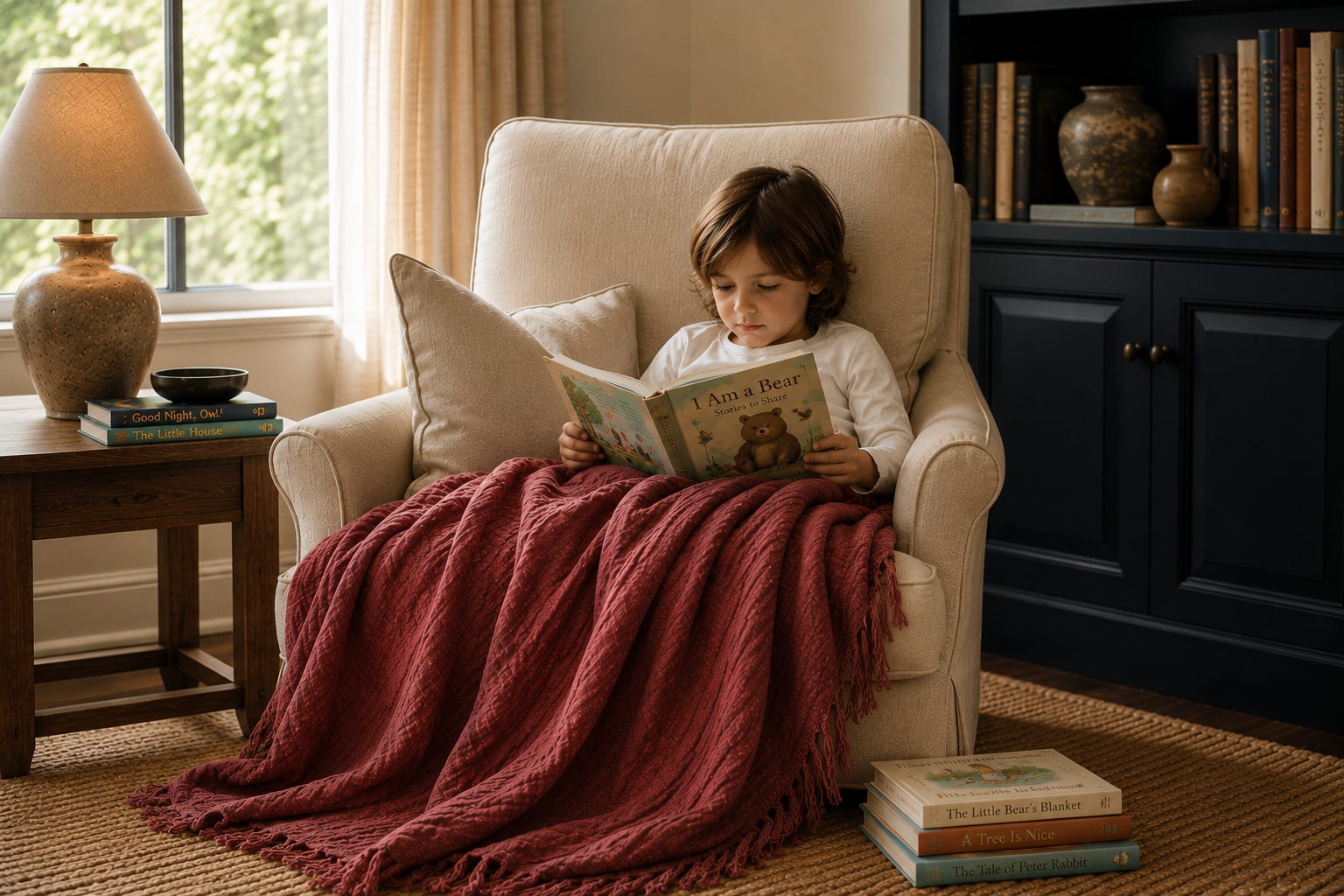
My youngest child has several blankets available, yet there is one particular blanket that gets chosen over and over again.
It isn’t the newest. It isn’t the most expensive. It’s simply the one that feels the most comforting.
Children have a way of being honest about comfort.
They aren’t choosing based on trends, marketing, or appearances.
They’re choosing based on how something feels.
I think adults do the same thing, even if we’re less aware of it.
The blankets we reach for repeatedly are often the ones that strike the right balance between softness, breathability, warmth, and familiarity.
That’s part of why I believe luxury has very little to do with labels.
To me, luxury equals comfort, wellness, health, and relaxation.
The most luxurious blanket isn’t necessarily the most expensive one.
It’s the one that helps you feel comfortable enough to fully relax.
Choosing Comfort That Lasts
Natural and synthetic blankets both have a place in many homes.
The right choice depends on personal preferences, budget, climate, and lifestyle.
But if your goal is long-term comfort, breathability, and a more restorative experience, natural fibers often have distinct advantages.
They tend to regulate temperature more effectively.
They often age beautifully.
And they create a sensory experience that many people find deeply comforting.
The good news is that creating a comfortable home doesn’t require perfection.
It simply requires paying attention to the materials that support everyday wellbeing.
The blankets we use every day may seem like small details.
But sometimes the smallest comforts have the greatest impact on how a home feels.
And the homes that feel most restorative are often built one thoughtful choice at a time.
A Few Questions I’m Often Asked
Which blanket material is the most breathable?
Wool, linen, and cotton are generally among the most breathable blanket materials.
They help regulate temperature and allow airflow, making them comfortable throughout much of the year.
Are synthetic blankets always less comfortable?
Not necessarily. Many synthetic blankets are extremely soft and practical.
Comfort is personal, but some people find natural materials more breathable and comfortable during extended use.
Why do natural blankets often feel more luxurious?
Natural fibers often provide a combination of softness, breathability, texture, and durability that creates a more comfortable long-term experience. Luxury is often about how something feels to live with, not simply how it looks.
What’s the best blanket material for year-round use?
Cotton is often one of the most versatile options for year-round comfort. Lightweight wool and linen blends can also work beautifully depending on your climate and preferences.
Pieces I Trust
Wool throws
Organic cotton blankets
Linen throws
Cashmere blends
Natural fiber bedding
Breathable layered textiles
Weighted blankets with natural covers
Are you naturally drawn to wool, cotton, linen, or something else entirely? I’d love to hear which blankets your family reaches for most often and what makes them feel so comforting.
Some links in this article may be affiliate links. By clicking on them, you help support my work. Don’t worry. I only share materials and brands I do/would use in my own home.
Did you like this article? Subscribe for free and get my next post in your inbox.