
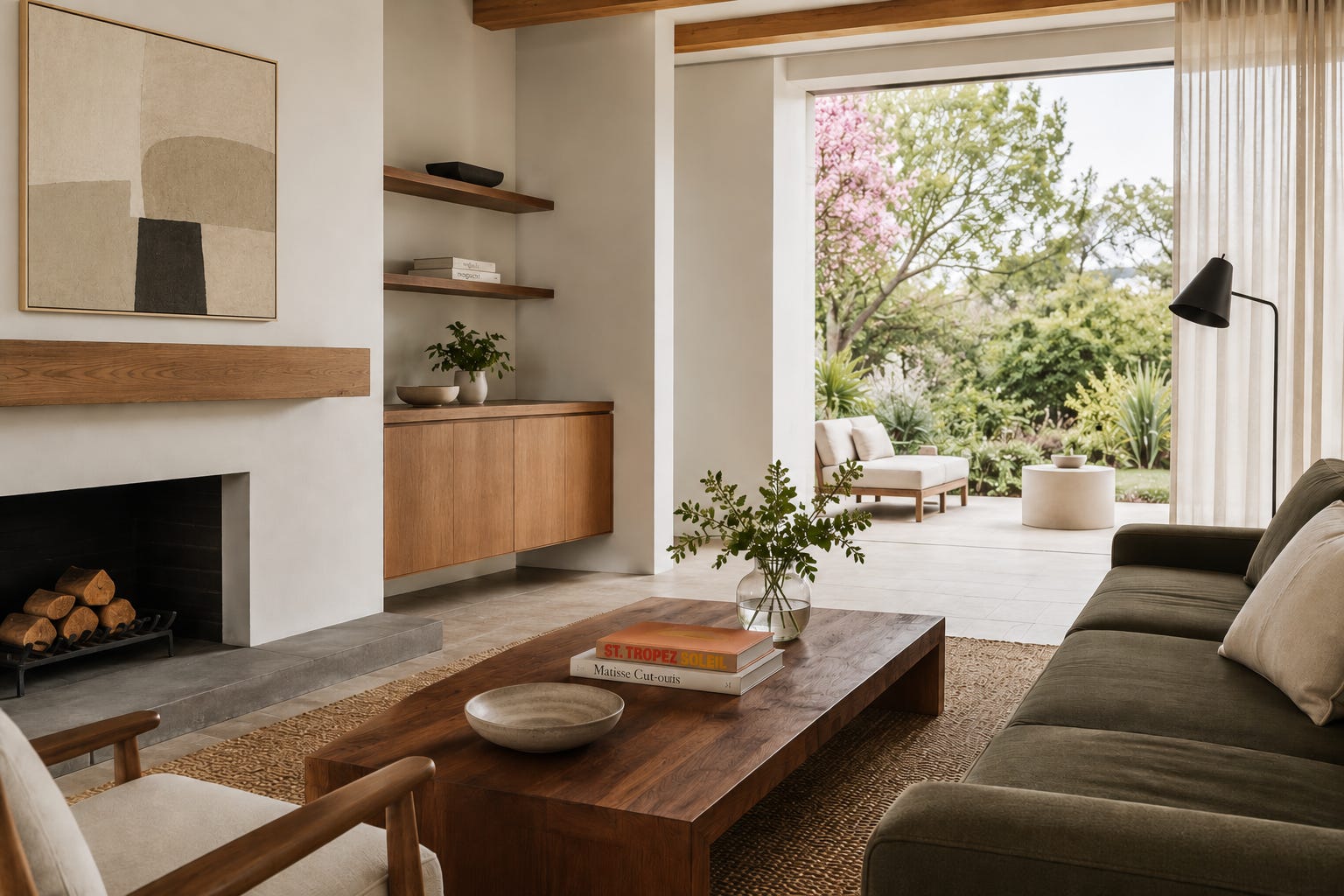
Why Materials Matter More Than I Once Thought
For a long time, I decorated almost entirely based on appearance.
If something looked beautiful in a photograph or fit the style I wanted, I rarely thought much beyond that. I paid attention to color palettes, shapes, and trends far more than the actual materials themselves.
But over time, I started noticing how differently certain spaces felt depending on what surrounded me.
Some rooms looked visually beautiful yet still felt strangely overstimulating.
Others felt calming almost immediately, even when they were very simple. Eventually, I realized much of that difference came down to materials.
Warm wood feels different than glossy laminate.
Washed linen feels softer emotionally than synthetic fabric blends.
Matte ceramics absorb light quietly while shiny plastic surfaces tend to reflect visual noise back into the room.
Those details affect the nervous system more than I once understood.
As I became more intentional about creating a healthier home, I started paying attention not just to how materials looked, but how they felt physically and emotionally.
Certain textures immediately created calm for me. Others felt artificial in ways I could suddenly notice everywhere.
I also realized that many modern interiors are filled with surfaces that mimic natural materials without actually feeling like them.
Faux wood, synthetic fabrics, plastic finishes, and highly processed textures often create visual clutter even when the room itself appears minimal.
The more I simplified our home, the more sensitive I became to those differences.
And honestly, I think materials quietly shape the atmosphere of a home every single day, whether we consciously notice it or not.
Synthetic Fabrics No Longer Feel Comfortable to Me
One of the biggest shifts in our home happened through textiles.
I slowly stopped buying synthetic-heavy fabrics because they no longer felt comfortable to live with long term.
Polyester blends, overly slick materials, and shiny synthetic textures started feeling visually and physically overwhelming to me once I began comparing them to natural alternatives.
The difference became especially obvious in bedding and upholstery.
Synthetic fabrics often trap heat in a way that makes a room feel heavier.
Some textures feel strangely stiff or overly smooth, almost as though they resist softening over time. Even when they look polished initially, they rarely create the relaxed feeling I want our home to have.
Natural fabrics feel completely different to me now.
Linen wrinkles softly instead of looking rigid.
Cotton feels breathable and lived in.
Wool adds warmth without creating visual heaviness. These materials seem to age naturally alongside the home rather than fighting against it.
I also think texture affects emotional comfort more than people realize.
At the end of the day, I want rooms that feel soft to exist inside. I want blankets that breathe well, curtains that move naturally with open windows, and upholstery that feels comfortable without looking overly manufactured.
And honestly, once I became used to those softer textures, synthetic fabrics started feeling much more noticeable.
Not in a dramatic way.
Just in a quiet sensory way that changed how restful certain spaces felt over time.
I Avoid Plastic-Looking Finishes Whenever Possible
Another thing I gradually stopped bringing into our home was overly glossy or plastic-looking finishes.
This is not about perfection or insisting every material must be completely natural. It is more about the emotional feeling certain finishes create inside a space.
Highly reflective surfaces often feel visually loud to me now.
Glossy laminates, faux marble, synthetic wood veneers, and plastic décor tend to bounce light around in ways that make a room feel busier, even when there is very little in it.
I notice the opposite effect with natural materials.
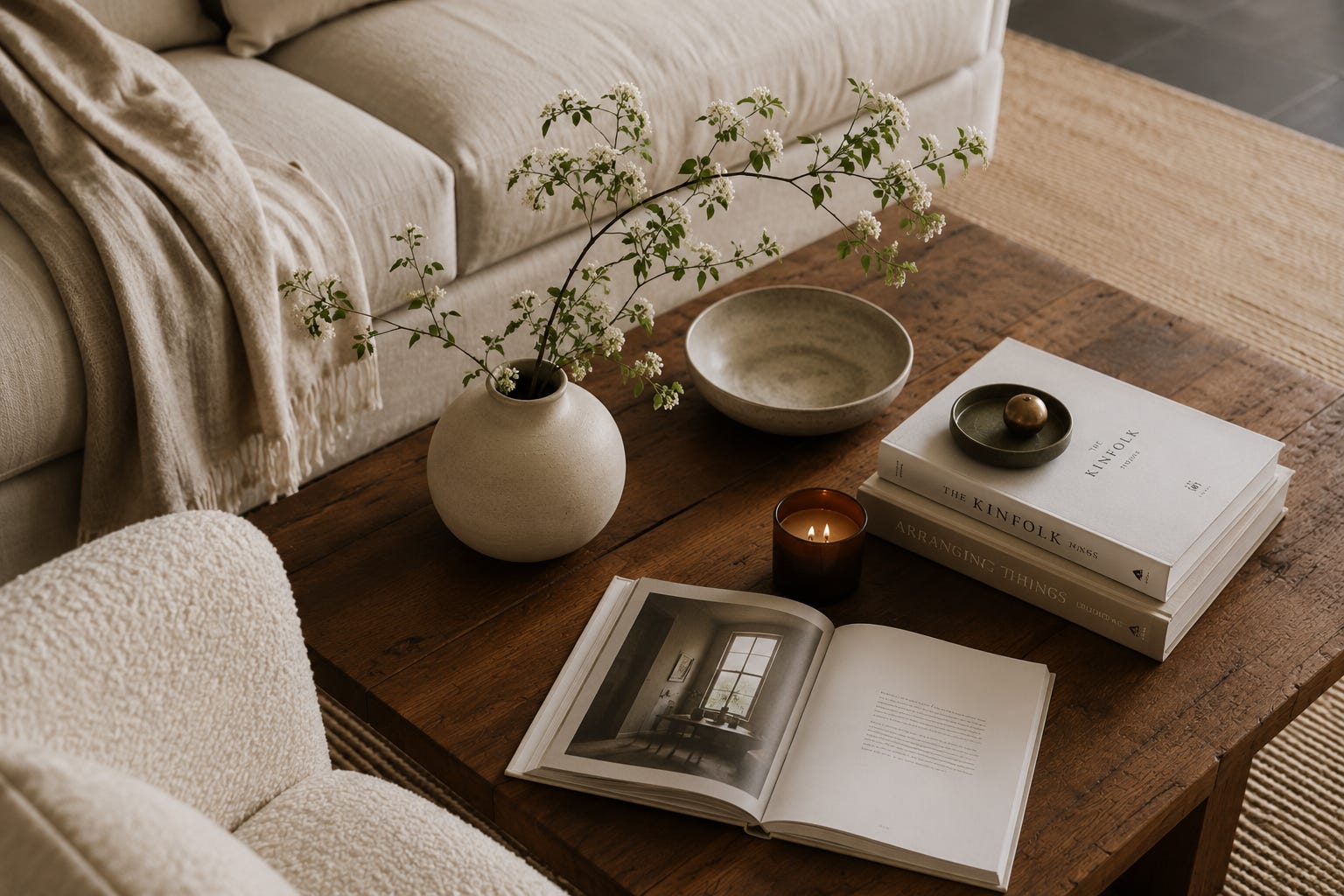
Unfinished wood absorbs light softly.
Stone develops texture and variation over time.
Matte ceramics feel grounded instead of attention-seeking.
Limewash walls create depth without harshness. These surfaces allow the eye to rest instead of constantly pulling focus.
I think this is part of what people are actually responding to when they describe a home as calming or elevated.
The materials feel honest.
Quiet luxury, at least to me, has very little to do with excess.
It is not about filling a room with expensive things. It is about choosing materials that feel authentic, tactile, and timeless enough to create calm naturally.
And honestly, I’ve realized that homes often become more peaceful visually when fewer surfaces are trying to imitate something else.
Natural materials simply do not need to work that hard.
Their texture already speaks for itself.
Slower Decorating Has Changed the Way Our Home Feels
One unexpected shift in our home has been learning to decorate more slowly.
I used to buy pieces impulsively because I wanted a room to feel “finished” quickly. But fast decorating usually left me with items that looked fine initially yet never fully felt right in the space.
Now, I move much slower.
I wait before purchasing larger pieces.
I pay attention to materials first instead of trends. I ask myself whether something will still feel calming and functional years from now rather than simply looking good in the moment.
That slower pace has completely changed the atmosphere of our home.
There is less visual clutter now because fewer things enter the space unnecessarily.
Rooms feel more grounded because the materials relate to one another naturally instead of competing for attention. The home also feels emotionally steadier somehow.
I think consistency matters more than perfection.
Natural textures layered slowly over time create a home that feels cohesive without feeling overly designed.
Linen beside warm wood.
Matte ceramics beside soft wool.
Stone and cotton layered quietly together. The rooms breathe differently when materials complement each other naturally.
And honestly, I no longer feel pressure to constantly update our home with every trend cycle.
The calmer the house feels, the less I want to disrupt that feeling unnecessarily.
What I Reach for Instead Now
These days, I find myself returning to the same kinds of materials repeatedly because they consistently make our home feel calmer.
Linen is probably the biggest example.
I use it for bedding, curtains, napkins, and occasional upholstery because it softens beautifully over time and always feels breathable. Even slightly wrinkled linen adds warmth rather than looking messy.
I also gravitate toward solid wood furniture whenever possible.
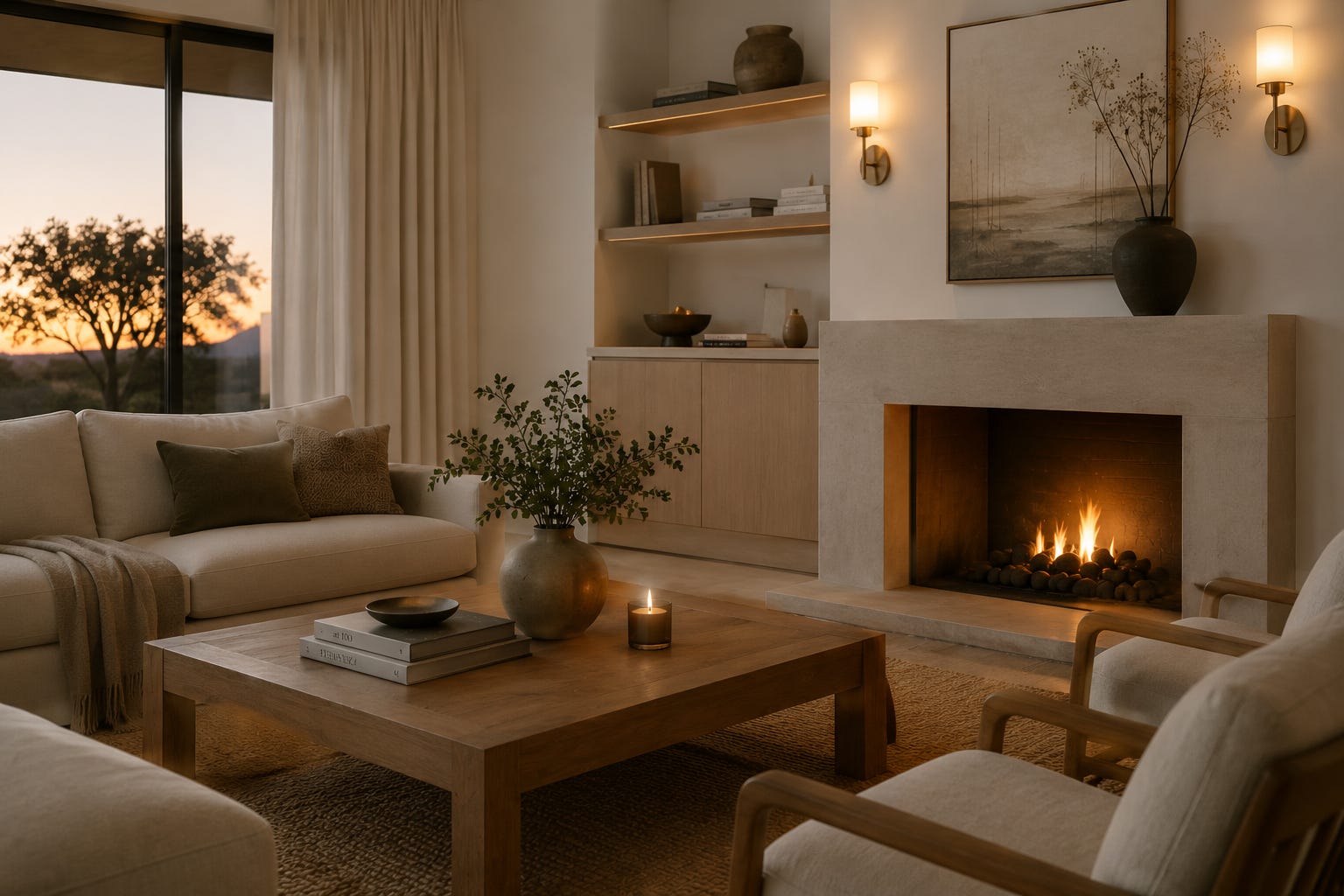
Wood brings depth and softness into a room in a way synthetic finishes rarely can. It reflects light naturally, ages beautifully, and creates a grounded feeling that makes spaces feel emotionally quieter.
Natural fiber rugs have also changed the feeling of our home significantly.
Wool, jute, and cotton rugs absorb sound and texture differently than synthetic alternatives. Rooms instantly feel softer underfoot and less visually sharp.
Ceramics are another material I continually return to.
Matte ceramic lamps, bowls, and vases create subtle texture without adding visual clutter. I love how handmade ceramics feel slightly imperfect and tactile rather than overly polished.
And honestly, I think the most important thing I choose now is breathing room.
Less clutter.
Fewer decorative objects.
More space for light, texture, and natural materials to speak quietly on their own.
That simplicity has made our home feel far more restful than any perfectly styled room ever could.
A Home Feels Different When the Materials Feel Honest
The older I get, the more I believe homes are sensory experiences as much as visual ones.
We feel materials constantly, even when we are not consciously thinking about them.
The softness of bedding.
The texture of curtains moving near open windows.
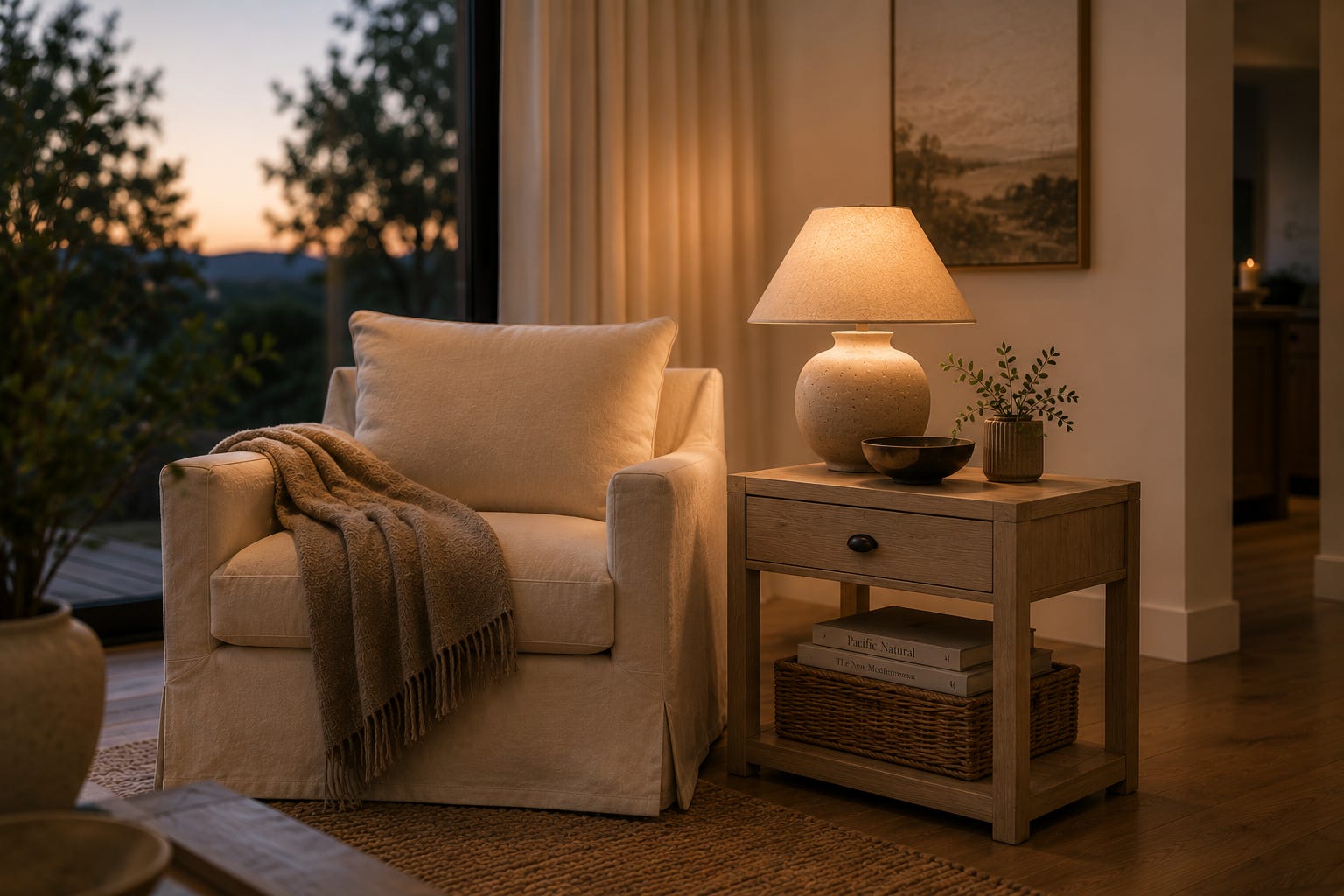
The warmth of wood beneath lamplight in the evening.
Those details shape atmosphere quietly over time.
For me, creating a healthier feeling home became less about following strict design rules and more about paying attention to what genuinely feels calming to live with daily. Certain materials simply support that feeling more naturally than others.
And honestly, I no longer want a home filled with surfaces pretending to be something they are not.
I want materials that feel breathable, tactile, and quietly authentic.
Not perfect.
Just honest enough to create softness throughout the home naturally.
Because increasingly, I think that calm emotional feeling is what makes a space truly beautiful in the first place.
Pieces I Trust
Over time, I’ve noticed myself returning to the same natural materials again and again because they consistently make our home feel calmer and more grounded:
Linen curtains that soften sunlight and move gently with open windows
Solid wood furniture that brings warmth and quiet texture into a room
Wool throws layered onto sofas and chairs for softness that feels comforting instead of overly polished
Natural fiber rugs that add warmth underfoot while making spaces feel less visually sharp
Ceramic lamps with matte finishes that create softer light throughout the evening
Organic cotton bedding that feels breathable and relaxed rather than overly structured
Stone kitchen accessories that bring texture and grounding weight into everyday routines
Matte ceramic vases and handmade pieces that add character without creating visual clutter
None of these materials feel loud or attention-seeking.
That is exactly why I love them.
Together, they create rooms that feel softer emotionally. The house feels more breathable, more tactile, and much easier to settle into at the end of the day.
I think natural materials quietly slow a space down.
And honestly, I notice that feeling more with every passing year.
A Home Feels Softer When the Materials Feel Real
I used to focus mostly on how a home looked.
Now, I pay much more attention to how it feels.
The warmth of wood beneath lamplight. The softness of washed linen. The quiet texture of wool and stone layered throughout a room. Those details shape atmosphere in ways I never fully understood before.
And increasingly, I think many of us are craving homes that feel emotionally softer rather than visually perfect.
Not overly styled.
Not filled with trend-driven pieces constantly demanding attention.
Just calm enough to rest inside comfortably.
For me, natural materials create that feeling more easily than anything else.
They age gently.
They breathe well.
They bring warmth without excess.
And over time, they’ve helped our home feel quieter in the best possible way.
Have you noticed certain materials that make your home feel calmer, softer, or more restful for you or your home?
Some links in this article may be affiliate links. By clicking on them, you help support my work. Don’t worry. I only share materials and brands I do/would use in my own home.
Did you like this article? Subscribe for ~free~ and get my next post in your inbox.