

Many products today are marketed with comforting language.
“Natural blend.”
“Eco fabric.”
“Plant derived.”
“Bamboo based.”
At first glance these labels sound reassuring. They suggest simplicity and purity, as though the materials in our homes are coming directly from nature.
But often these phrases hide a more complicated story.
Many modern materials are heavily processed or mixed with synthetics, even when their marketing emphasizes natural origins.
Learning to recognize genuine natural materials is one of the most helpful skills for creating a calmer, healthier home.
Once you know what to look for, the choices become surprisingly simple.
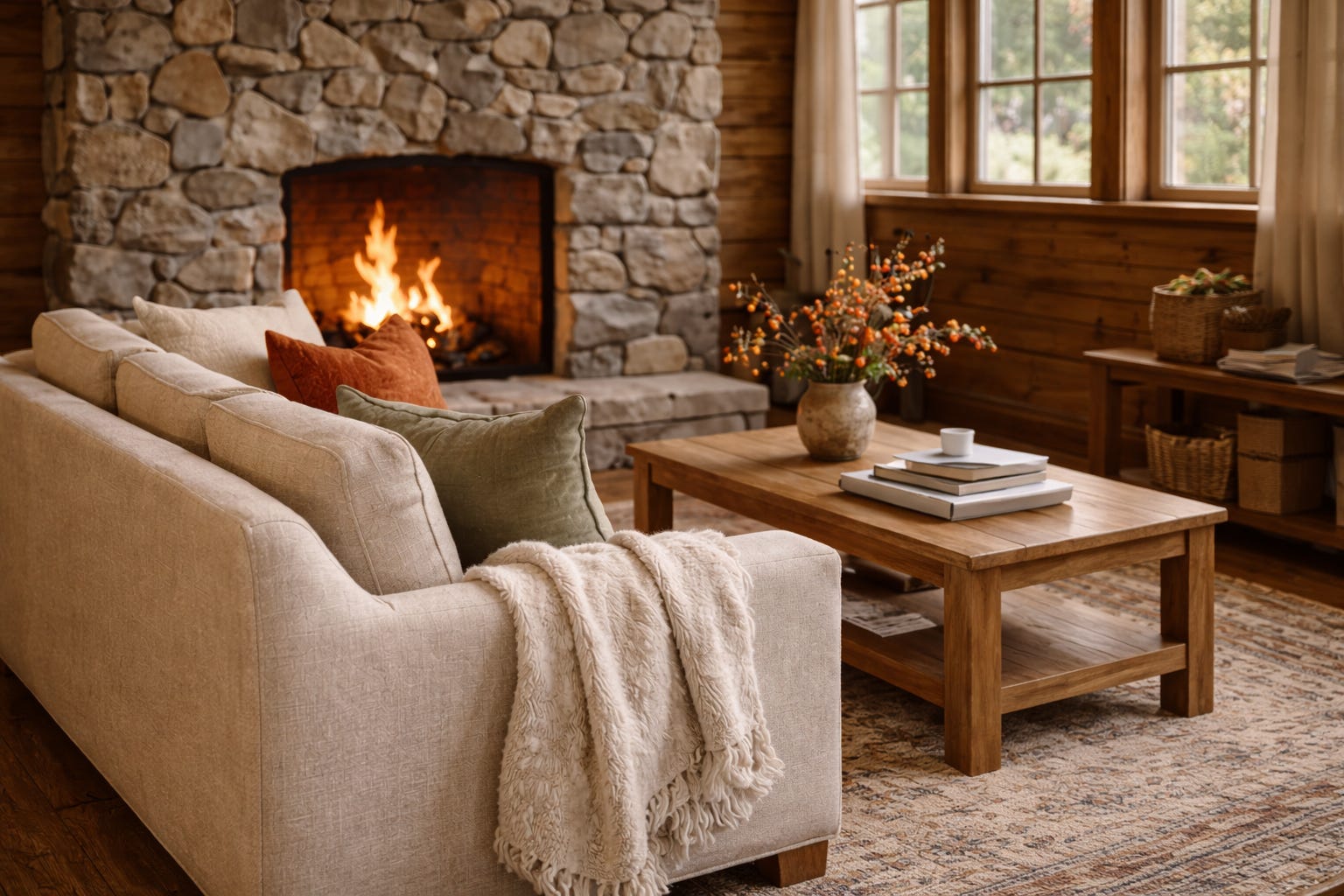
Recognizing Natural Fibers in Fabrics
One of the easiest ways to identify a natural material is to look at the fiber name itself.
Natural textiles usually identify themselves clearly: linen, cotton, wool, or silk.
Synthetic fabrics, on the other hand, often include words like polyester, acrylic, nylon, or microfiber.
Sometimes a product will be labeled as a “natural blend,” which means that only a portion of the fabric contains natural fibers.
A linen blend sheet set, for example, may contain far more polyester than linen.
Reading the fiber content label can reveal far more than the product description.
Solid Wood vs Engineered Wood
Furniture provides another opportunity to choose natural materials thoughtfully.
Solid wood furniture is made entirely from natural timber such as oak, maple, walnut, or pine.
Engineered wood products, by contrast, are typically constructed from compressed wood fibers and adhesives.
These materials can be useful in certain applications, but they often rely on resins and binders that are far removed from the simplicity of natural wood.
Solid wood furniture tends to feel warmer and more substantial.
Over time it can also be refinished or repaired, allowing it to last for decades rather than years.
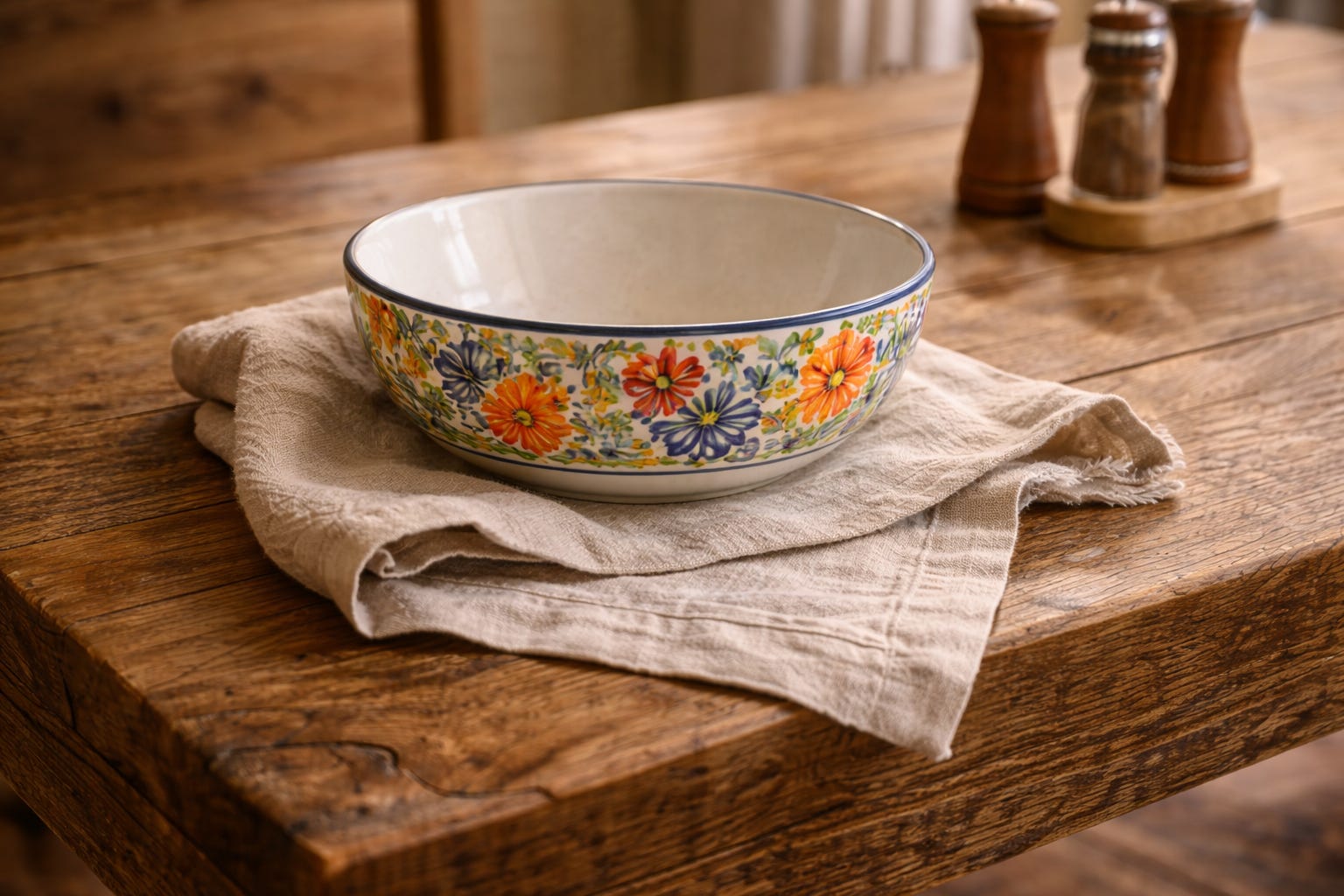
Stone Surfaces vs Composite Materials
Natural stone surfaces such as marble, limestone, or granite have been used in homes for centuries.
Their appeal lies partly in their durability, but also in the subtle variation that occurs naturally within the stone.
Composite surfaces, on the other hand, are often created by combining stone fragments with synthetic binders or resins.
These materials can be practical, but they rarely carry the same organic character as true stone.
A small stone surface — even a simple marble tray or limestone countertop — can introduce natural beauty into a space.
Natural Fiber Rugs vs Synthetic Rugs
Rugs offer another helpful example of how materials influence the feeling of a room.
Natural fiber rugs are typically made from wool, cotton, jute, or sisal.
These fibers create texture and warmth while allowing the rug to remain breathable.
Synthetic rugs are commonly produced using polypropylene, polyester, or nylon.
While these materials can be durable, they often lack the softness and quiet depth that natural fibers bring to a space.
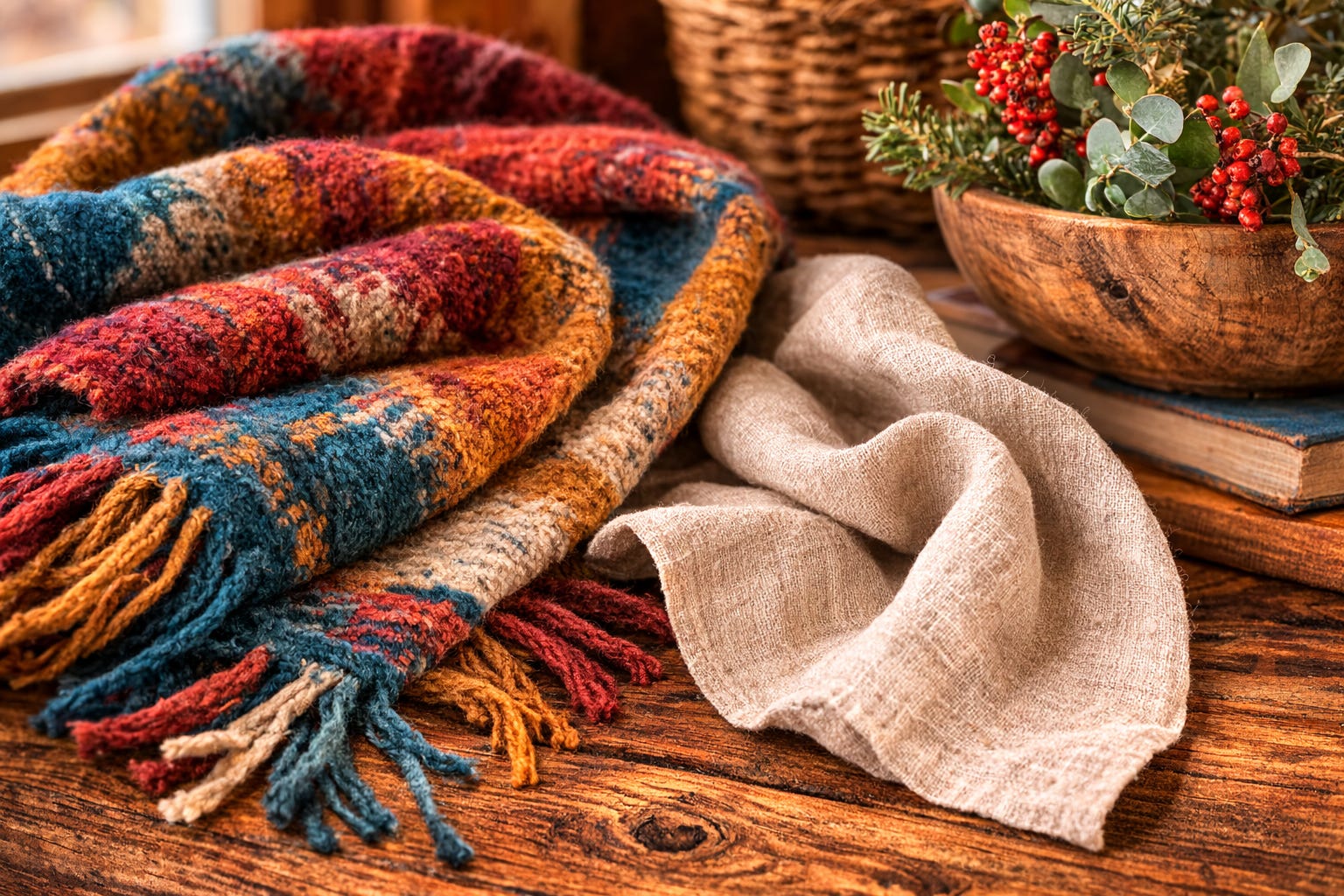
Learning to Read Material Labels
Over time, recognizing natural materials becomes almost intuitive.
A quick glance at a label often reveals the story behind a product.
Fiber content lists the textiles used. Wood descriptions reveal whether furniture is solid or engineered. Rug materials indicate whether fibers are natural or synthetic.
This knowledge allows you to move beyond marketing language and focus on the materials themselves.
And once you begin choosing materials intentionally, the home begins to feel different.
Calmer. Simpler. More grounded.

Checking Labels Is Simple
A low-tox luxury home is not built through complicated rules.
It grows gradually through a deeper awareness of materials.
Linen instead of polyester. Wool instead of synthetic fibers. Solid wood instead of compressed composites.
These choices are not about perfection.
They are about surrounding everyday life with materials that feel honest, breathable, and enduring.
And over time, those quiet decisions shape a home that feels calmer in every sense.
Is there a ‘natural’ item in your home that might not actually be?
Some links in this article may be affiliate links. I only share materials and brands I do/would use in my own home.
Did you like this article? Subscribe for free and get my next post in your inbox.