
Where I Start When a Kitchen Feels Overwhelming
The kitchen is one of those spaces I move through without thinking.
It’s where I prepare food, clean up, reach for a glass, and begin again the next day.
When I first began shifting toward a lower-tox home, I realized just how much I interacted with this space. Not just visually, but physically.
Every surface, every tool, every container.
I didn’t try to change everything at once. I started by noticing what I used most often. What I cooked with, what I stored food in, what I reached for without thinking.
Over time, I began to understand that the kitchen doesn’t need a full reset. It just needs a thoughtful shift toward materials that feel more natural, more stable, and easier to live with.
Why Kitchen Materials Matter More Than We Expect
In the kitchen, materials aren’t just part of the background.
They are part of daily life in a very direct way.
We cook on them, store food in them, wash them repeatedly, and bring them into contact with what we eat. That level of use changes how important those materials feel.
I’ve found that when I focus on the items I use most often, the entire space begins to shift. The changes feel subtle at first, but they build into something meaningful.
It’s not about replacing everything.
It’s about starting where it matters most.
Low-Tox Kitchen Checklist (What to Replace First)
When I look at a kitchen now, this is the order I naturally follow. Not rigidly, but as a way to prioritize the pieces that make the biggest difference.
• Cookware (Highest Impact)
Replace nonstick or heavily coated pans with stainless steel, cast iron, or ceramic-coated options
Look for pieces that feel balanced and substantial in your hands
Avoid chipping or worn coatings
• Food Storage (Daily Contact)
Swap plastic containers for glass with simple lids
Use glass or ceramic for leftovers when possible
Avoid scratched or aging plastic
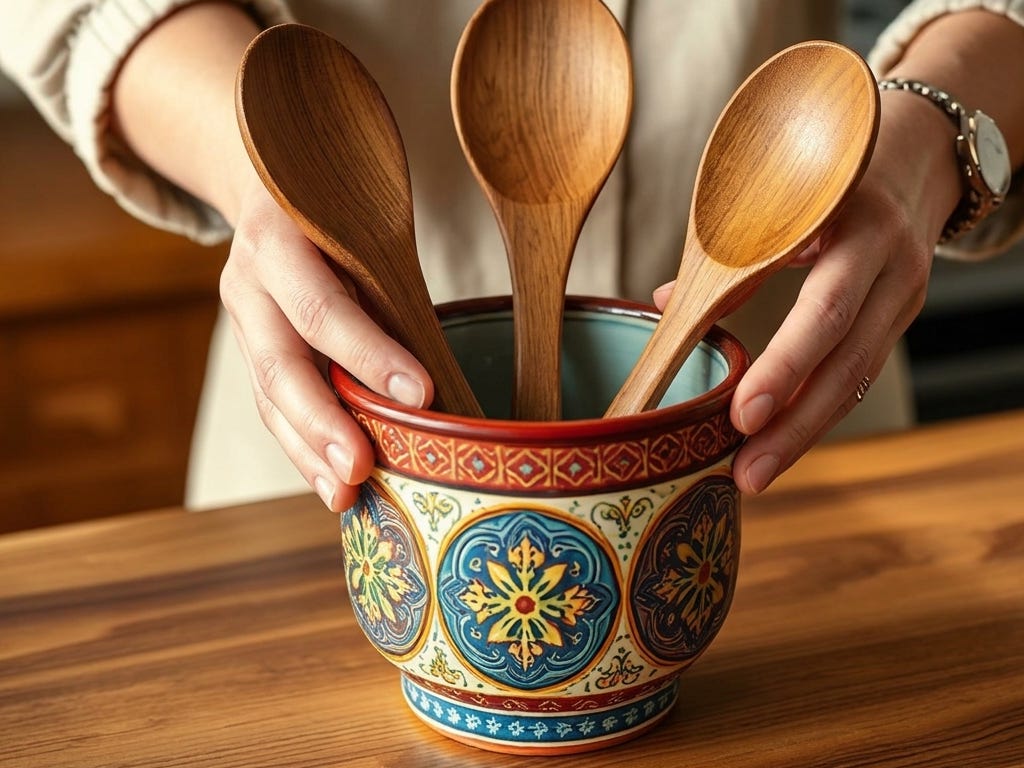
• Utensils (Frequent Use)
Choose wood, stainless steel, or silicone alternatives to plastic
Look for pieces that feel solid and well-made
Keep only what you use regularly
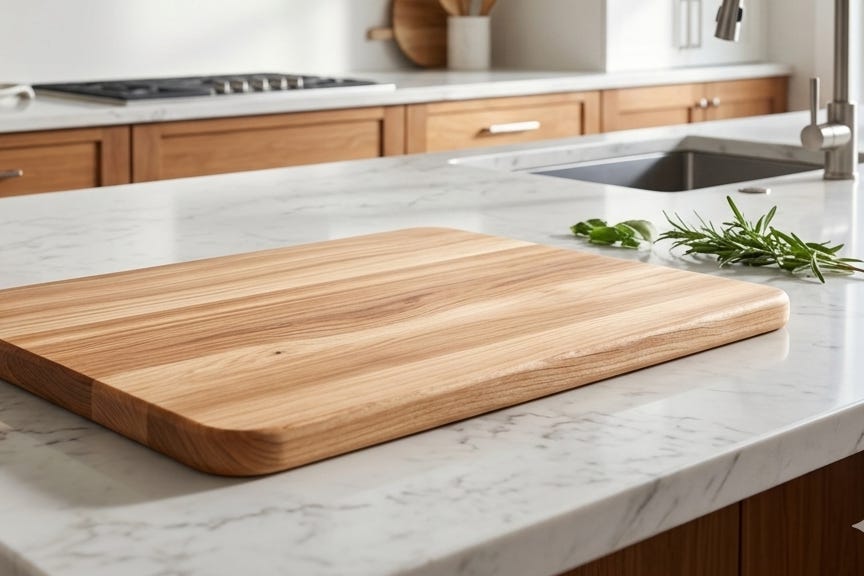
• Cutting Boards (Direct Food Contact)
Replace plastic boards with solid wood
Choose boards that can be maintained and restored over time
Avoid heavily worn synthetic surfaces
• Drinkware and Dishes (Constant Exposure)
Choose glass, ceramic, or stoneware
Replace lightweight or overly thin materials
Keep textures simple and comfortable to use
Once I began making these changes, I noticed that cooking itself felt different.
Slower in a good way.
More connected and intentional.
Starting with Cookware (Where Everything Begins)
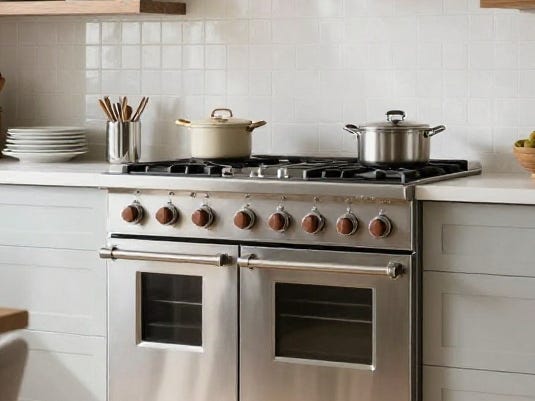
If I had to choose one place to begin, it would always be cookware.
It’s where food meets heat, where meals begin to take shape.
I’ve found that switching to stainless steel or cast iron creates a sense of reliability that’s hard to explain but easy to feel.
These materials don’t try to do too much.
They ask for a little attention, a little care, and in return they offer consistency.
They age well and become part of your routine.
In our home, this was one of the most noticeable changes. Cooking began to feel more grounded, more present, and less rushed.
Food Storage and Surfaces (What You Use Without Thinking)
Food storage was something I didn’t think about at first, but it quickly became one of the most meaningful shifts.
Glass became my default.
It feels clean, simple, and easy to live with. It doesn’t hold onto odors, and it moves easily from refrigerator to table.
Surfaces matter in a similar way.
Cutting boards, prep areas, anything that regularly touches food. I’ve come to prefer wood for its warmth and the way it ages over time.
These are the kinds of changes that don’t call attention to themselves, but quietly improve the way the kitchen functions.
The Smaller Swaps That Shape the Kitchen
Once the essentials are in place, the smaller pieces begin to influence the overall feel of the space.
Utensils, mugs, serving bowls, these are the items I reach for daily. When they’re made from natural or simple materials, everything feels more cohesive.
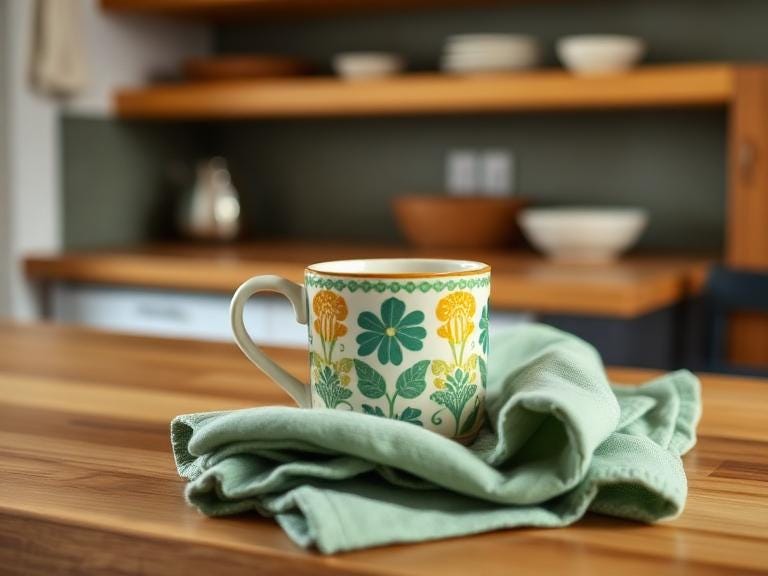
Ceramic mugs, wooden spoons, linen towels.
These aren’t dramatic upgrades, but they create a consistency that settles the space.
Over time, the kitchen begins to feel less like a workspace and more like a place you want to be.
Pieces I Trust in My Own Home
When I choose items for our kitchen, I find myself returning to materials that feel simple, steady, and reliable over time. I want pieces that support daily use without needing constant replacement.
• I tend to look for stainless steel or cast iron cookware that feels balanced and durable

 • I prefer glass food storage that transitions easily from fridge to table

 • I’m drawn to solid wood cutting boards that develop character over time

 • I often choose ceramic dishes and mugs that feel substantial and natural in hand

 • I like wooden utensils that soften the look and feel of the kitchen
These are the pieces that make everyday routines feel more grounded and consistent.
A Kitchen That Feels Clean in Every Sense
I don’t think a low-tox kitchen is something you complete all at once. It’s something I’ve moved toward gradually, through small, thoughtful changes.
For me, it became less about replacing everything and more about paying attention. What I use, what I trust, what feels right in my hands every day.
And over time, the kitchen began to feel cleaner. Not just in appearance, but in experience.
The kind of space that supports you quietly, without distraction.
When you look around your kitchen, which materials do you use most often, and do they feel as good as you want them to?
Some links in this article may be affiliate links. By clicking on them, you help support my work. Don’t worry. I only share materials and brands I do/would use in my own home.
Did you like this article? Subscribe for ~free~ and get my next post in your inbox.