

Creating a healthy home rarely begins with a dramatic renovation.
In my experience, it starts with small moments of noticing.
A synthetic scent that lingers too long after cleaning.
A vinyl shower curtain that smells sharp when the bathroom warms with steam.
A plastic storage bin that seems harmless until sunlight touches it.
Over time I began to understand something simple but powerful: many homes quietly accumulate materials that were never designed for long-term indoor living.
These materials often release chemicals into the air, especially in warm, closed spaces. The effects aren’t always dramatic, but they can subtly influence how a home feels — the air, the light, even the sense of calm in a room.
The encouraging news is that replacing them rarely requires complicated changes.
Most of the time, the solution is simply returning to materials people have used for generations: wood, linen, wool, ceramic, glass.
When a home is filled with natural materials, it begins to feel different.
Lighter.
Quieter.
More breathable.

Toxin #1: Synthetic Fragrance in Cleaning and Air Fresheners
For many years I believed a clean home needed to smell like something.
Citrus spray. Floral detergent. Fresh pine air freshener.
But synthetic fragrance is one of the most common hidden chemical exposures in modern homes. These scent formulas often contain dozens of undisclosed ingredients, many designed to linger in the air long after cleaning is finished.
In closed indoor environments, that lingering scent becomes something we continuously breathe.
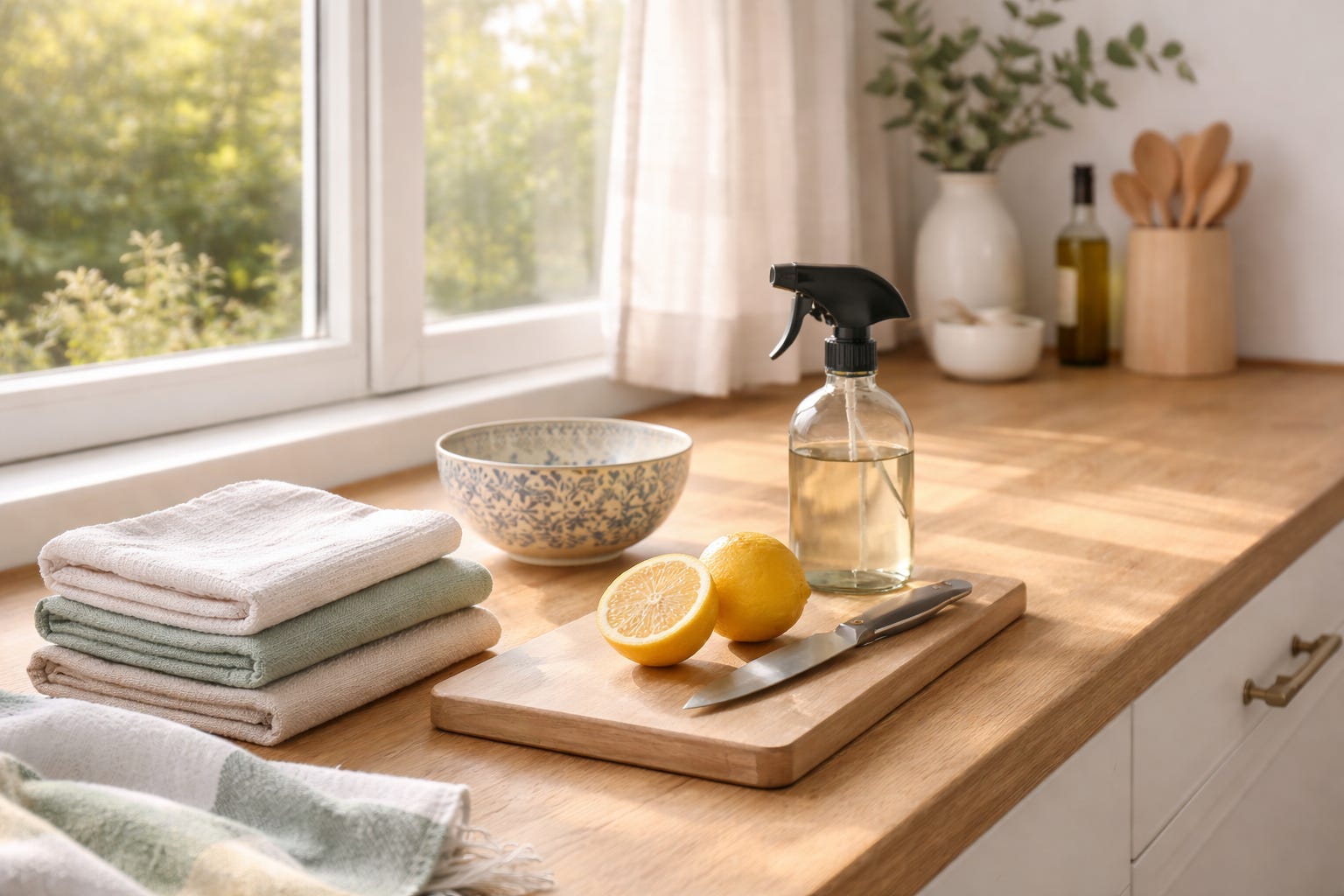
I eventually shifted toward unscented cleaning products and simple ingredients like vinegar, baking soda, and castile soap.
Instead of fragrance, the home began to smell like… nothing at all.
And strangely, that absence of scent felt more like real cleanliness.
Glass spray bottles and simple natural cleaners often become the quiet heroes of a healthier home.
Toxin #2: Vinyl and PVC in Curtains, Flooring, and Decor
Vinyl is one of the most widespread materials in modern interiors.
It appears in:
shower curtains
synthetic flooring
faux leather furniture
plastic blinds
Many vinyl products contain plasticizers such as phthalates that help the material remain flexible.
The problem is that these additives can slowly migrate into the surrounding air and dust over time.
I began replacing vinyl items gradually.
A linen shower curtain instead of PVC.
Wood blinds instead of plastic.
Solid wood furniture rather than synthetic veneers.
The difference wasn’t just chemical — it was tactile.
Natural materials simply feel calmer to live with.
Toxin #3: Synthetic Fabrics in Bedding and Upholstery
Bedrooms are where we spend the longest uninterrupted hours in our homes.
Yet many bedding materials today are made from polyester or microfiber blends derived from petroleum.
These fabrics are durable and inexpensive, but they often trap heat and release microplastics as they age.
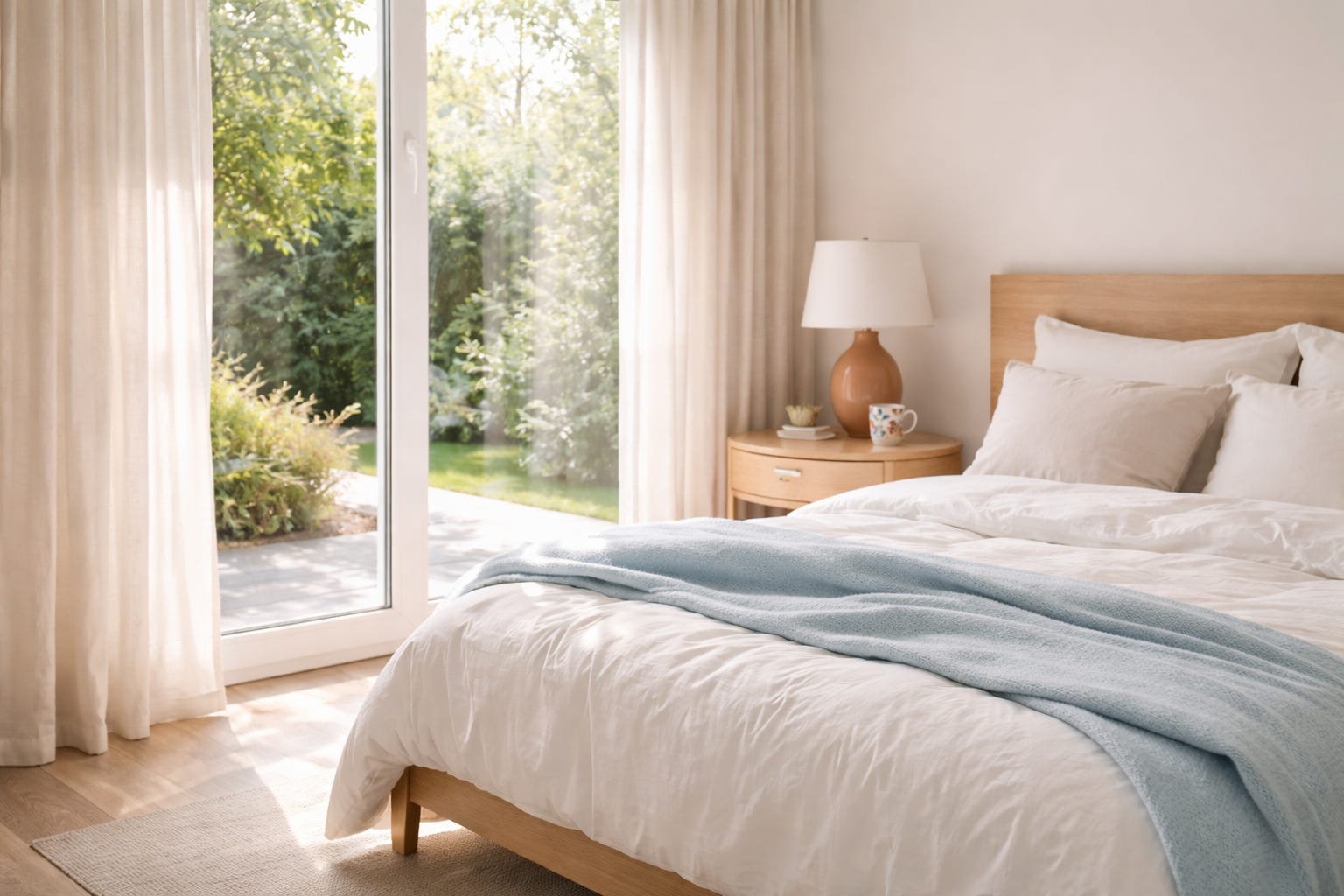
Over time I moved toward natural textiles.
Linen sheets for breathability.
Organic cotton pillowcases.
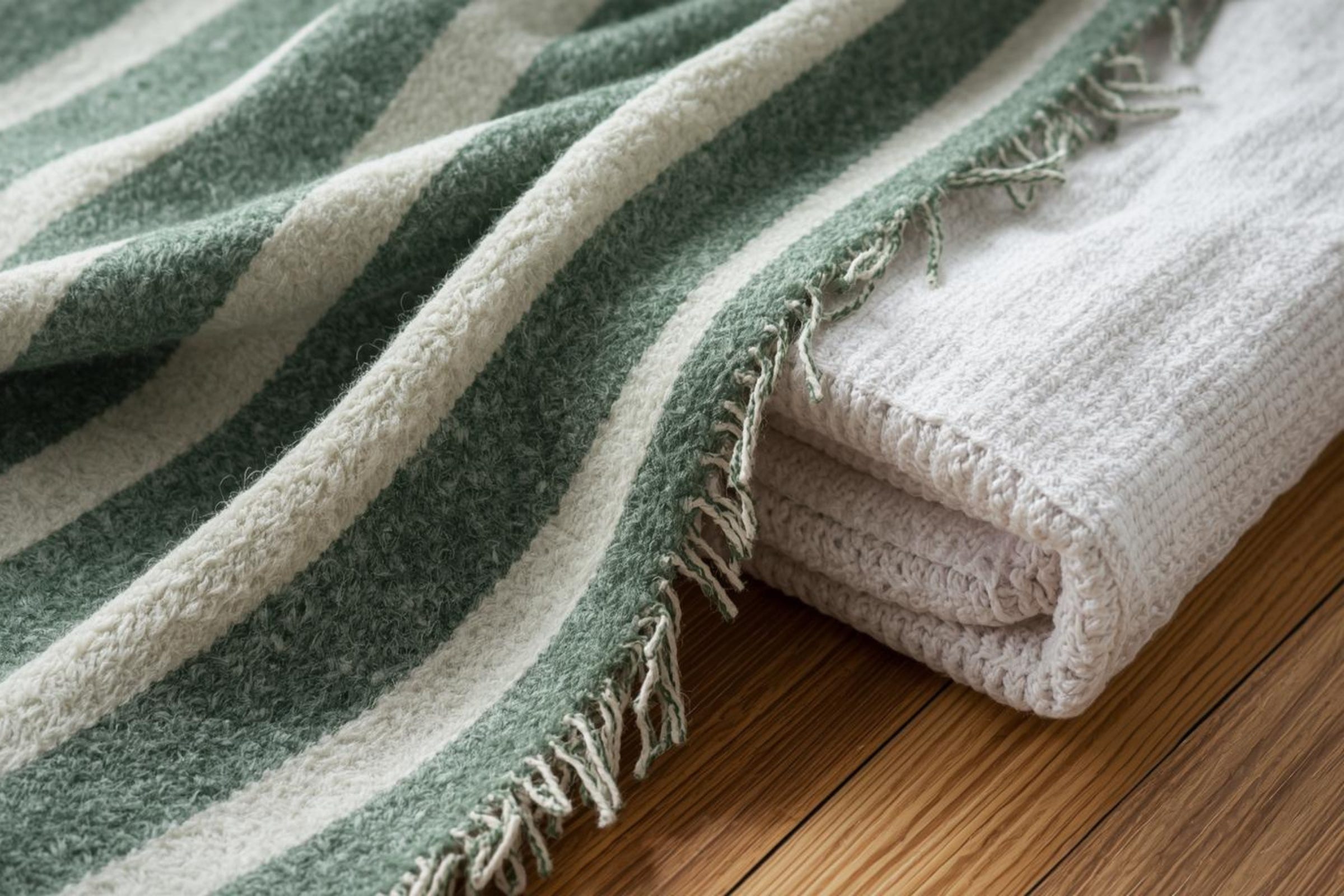
Wool blankets during colder months.
These materials regulate temperature better and feel more comfortable against the skin.
And visually, they soften a room in a way synthetic fabrics rarely can.
The bed becomes less like a product and more like a place of rest.
Toxin #4: Flame Retardants in Furniture and Mattresses
For decades, flame retardant chemicals were widely added to upholstered furniture and mattresses.
These compounds were intended to slow the spread of fire, but many later became controversial due to their potential health impacts.
Older furniture is especially likely to contain them.
When I began learning about this, I didn’t rush to throw anything away. Instead, I slowly prioritized replacements when the time naturally came.
Solid wood furniture.
Natural latex mattresses.
Wool mattress toppers.
Interestingly, wool itself is naturally flame resistant — which is one reason it has been used in bedding for centuries.
Sometimes the safest solutions are also the oldest.
Toxin #5: Plastic Food Storage and Kitchenware
The kitchen is another place where hidden materials quietly accumulate.
Plastic containers, utensils, cutting boards, and food packaging all have direct contact with what we eat.
Heat, sunlight, and repeated washing can cause some plastics to degrade over time.
For me, the transition was gradual and surprisingly satisfying.
Glass storage jars replaced plastic containers.
Wooden cutting boards replaced synthetic ones.
Ceramic bowls replaced plastic mixing bowls.
These materials age beautifully rather than deteriorating.
A wooden spoon grows smoother with use.
Glass jars catch morning light.
Ceramic bowls become part of daily rituals.
The kitchen starts to feel less like a laboratory and more like a place where food simply belongs.
The Quiet Transformation of a Natural Home
When people imagine creating a healthier home, they sometimes picture complicated upgrades or expensive renovations.
But most of the changes that shaped my home were remarkably simple.
A linen curtain instead of vinyl.
A glass jar instead of plastic.
A wool blanket layered over the bed.
Small choices repeated slowly over time.
What surprised me most wasn’t just the reduction of chemicals.
It was the feeling that followed.
Rooms felt calmer.
The air felt lighter.
Materials aged more gracefully.
A home filled with natural textures doesn’t demand attention.
It simply allows life to happen quietly inside it.
And often, creating a healthier home isn’t about adding more things at all.
It’s simply about choosing the ones that were always meant to be there.
Which toxic materials lingering in your home would be easiest to replace?
Thanks for reading Low Tox Luxury! This post is public so feel free to share it.
Some links in this article may be affiliate links. I only share materials and brands I do/would use in my own home.
Did you like this article? Subscribe for free and get my next post in your inbox.