

Why Paint Matters More Than We Think
Paint is one of those decisions that seems simple at first.
You choose a color, you apply it, and the room begins to take shape.
But over time, I’ve come to see paint differently. It becomes part of the air you live in. It surrounds you quietly, covering large surfaces and influencing how a space feels every day.
When I first began looking into lower-tox options, I expected it to be complicated.
The terminology alone felt overwhelming, and it wasn’t always clear what actually mattered.
What helped me most was stepping back and focusing on types instead of brands. Once I understood the materials behind the paint, the choices became much clearer.
What “Low-VOC” and “Non-Toxic” Really Mean
These terms are often used interchangeably, but they don’t always mean the same thing.
VOC stands for volatile organic compounds, which are chemicals that can be released into the air as paint dries and cures.
Low-VOC paints are designed to reduce these emissions, but they don’t necessarily eliminate them entirely.
“Non-toxic” is a broader term, and I’ve learned to approach it more as a direction than a guarantee. It often suggests simpler formulations and fewer unnecessary additives.
What I pay attention to now is the overall composition.
Not just the label, but what the paint is made from and how it behaves once it’s on the wall.
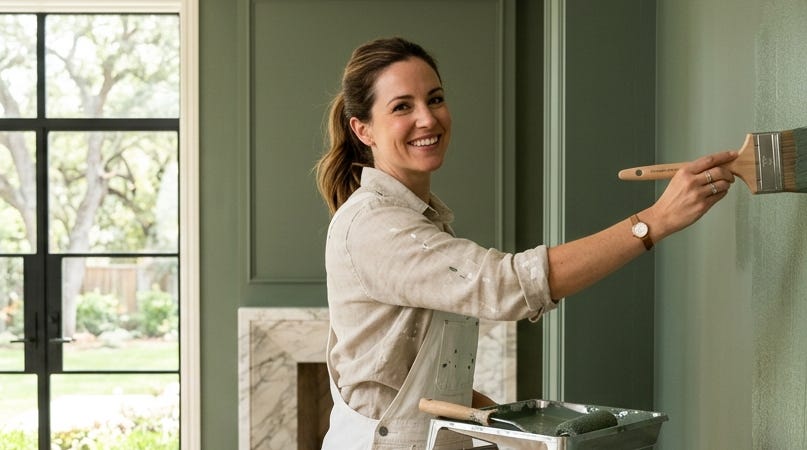
Best Low-Tox Paint Types (What to Look For First)
When I think about paint now, I approach it through a materials lens. These are the types I tend to return to when I want a healthier, more breathable space.
• Zero-VOC or Low-VOC Water-Based Paints
Widely available and familiar to work with
Lower emissions compared to traditional paints
A practical starting point for most homes
• Mineral-Based Paints (Silicate Paints)
Made from natural minerals like potassium silicate
Bond with surfaces instead of forming a surface film
Durable with a soft, matte finish
• Clay Paints
Made from natural clay and earth pigments
Soft, ultra-matte appearance with subtle variation
Best suited for low-moisture areas
• Milk Paints (Traditional Powder-Based)
Simple ingredients such as milk protein, lime, and pigment
Mixed fresh before use
Creates a gently textured, natural finish
• Limewash
Made from crushed limestone and water
Creates depth, movement, and variation on walls
Applied in thin layers for a soft, lived-in effect
Each of these brings something different, not just visually, but in how a room feels over time.
Starting with Low-VOC Paint (The Most Accessible Shift)
If I’m working within a typical home setup, I usually begin with low-VOC or zero-VOC paint.
It’s widely available, relatively easy to apply, and doesn’t require a completely different approach. That makes it a natural first step when moving away from more conventional options.
I’ve found that even this single change can make a noticeable difference, especially in spaces where you spend a lot of time.
Living rooms, bedrooms, and anywhere the air matters in a more constant way.
It’s not about getting everything perfect. It’s about moving in a better direction with what’s practical.
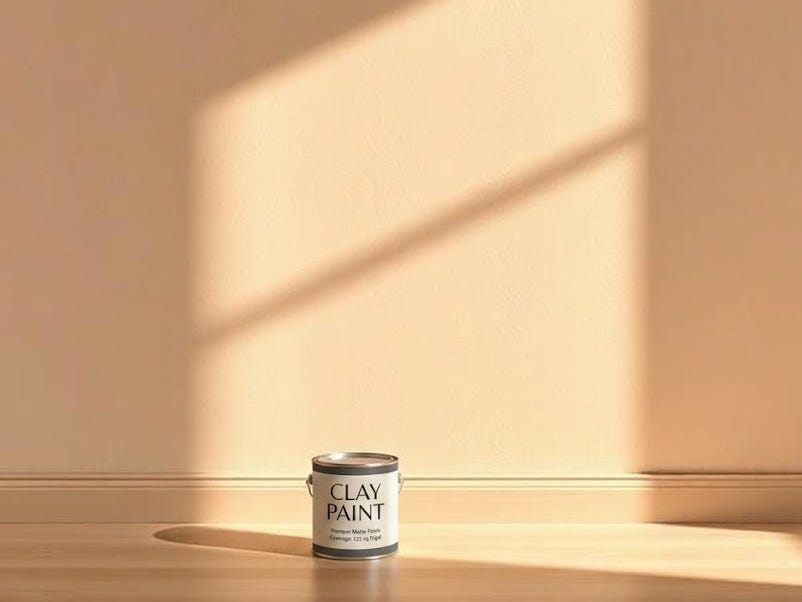
Natural Paints and Breathable Walls (A Different Kind of Finish)
When I first saw mineral and clay-based paints in person, the difference was immediate.
They don’t sit on the surface in the same way conventional paints do.
Instead, they seem to become part of the wall, creating a soft, matte depth that shifts gently with the light.
There’s also a sense of breathability that’s hard to describe but easy to feel. The room feels less sealed and more open in a subtle, calming way.
In our home, these finishes created a kind of quiet atmosphere.
Not dramatic or attention-seeking, just deeply comfortable to live with.
What I Pay Attention to Beyond the Label
Over time, I’ve learned to look beyond just “low-VOC” as a label.
I pay attention to added fragrances, preservatives, and anything that feels unnecessary in the formulation. Simpler paints tend to feel better, both during application and long after.
I also consider how the paint will age.
Will it maintain a soft, matte finish? Will it wear naturally, or begin to feel overly glossy or artificial?
These small considerations have helped me choose paints that feel aligned with the rest of the home, not just visually, but in how they support the space.
Pieces I Trust in My Own Home
When I choose paint, I find myself focusing less on the exact color and more on how the material will live in the space over time. I want something that feels calm, breathable, and consistent.
• I tend to look for low-VOC or zero-VOC paints with simple, minimal formulations

 • I’m drawn to mineral or silicate paints for their soft, breathable finish

 • I often choose clay paints when I want a natural, ultra-matte texture

 • I prefer finishes that feel flat or gently matte rather than glossy

 • I like paints that age naturally and don’t feel overly sealed or artificial
These choices create a backdrop that supports the home quietly, without distraction.
A Home That Feels Better in the Background
Paint isn’t something I think about every day, but once it’s there, it becomes part of everything.
For me, choosing lower-tox, more natural paint types has been less about making a statement and more about creating a background that supports daily life.
It’s a quiet decision, but one that shapes how a home feels over time. And those are often the choices that matter most.
When you think about the walls in your home, do they feel like a calm backdrop, or something you’d like to rethink?
Some links in this article may be affiliate links. By clicking on them, you help support my work. Don’t worry. I only share materials and brands I do/would use in my own home.
Did you like this article? Subscribe for ~free~ and get my next post in your inbox.