

Learning about materials completely changed how I shop for our home.
For years I focused mostly on how things looked: whether a piece matched the room, whether a decor item felt current, whether something was affordable enough to replace later.
But over time I began paying closer attention to what things were actually made from.
That shift changed everything.
I started noticing how many everyday household items are built around synthetic materials designed for convenience rather than longevity. Plastic, polyester, synthetic fragrance, composite wood ; they quietly fill modern homes without us thinking much about them.
Once I began learning about healthier materials and slower, more intentional home design, my shopping habits changed naturally. I didn’t overhaul our home overnight. Instead, certain items simply stopped coming home with us.
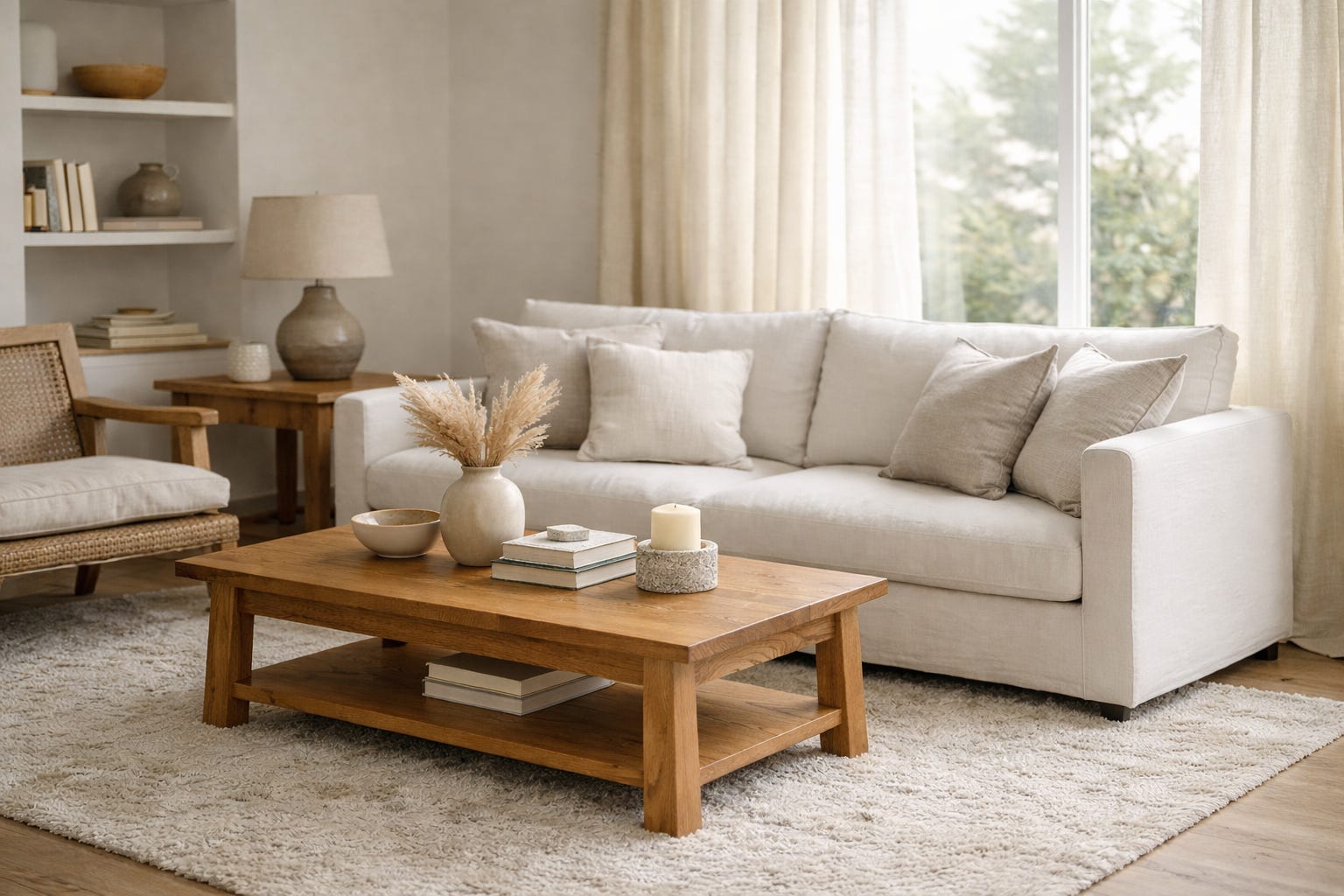
What replaced them wasn’t trend-driven decor. It was something much simpler: natural materials that age well, breathe well, and support a calmer living environment.
What I No Longer Buy
Shifting toward a lower-tox home didn’t happen through a dramatic purge or a full redesign. It happened through small decisions about what we stopped bringing into our space.
Many of the items below are common in modern homes. They’re easy to find, inexpensive, and often designed to be replaced quickly.
But over time I realized they rarely last well and often rely heavily on synthetic materials.
Instead of continuing the cycle of replacing them, I began choosing alternatives built from natural fibers, glass, wood, and other durable materials.
Synthetic Candles
Candles are often associated with relaxation and comfort, but many conventional candles are made from paraffin wax combined with artificial fragrance.
Paraffin is a petroleum byproduct, and when burned it can release compounds into the air that don’t exactly support a clean indoor environment.
Once I learned this, synthetic candles gradually disappeared from our home.
Instead, we occasionally use beeswax candles or simple soy candles with minimal fragrance. These burn more cleanly and create a softer, more natural atmosphere.
The goal isn’t constant scent. It’s simply creating a warm glow without filling the room with synthetic fragrance.
Plastic Storage Containers
Plastic food storage used to dominate our kitchen cabinets.
They were convenient, lightweight, and inexpensive — but they rarely lasted long. Over time they stained, warped, or absorbed odors, especially when used with warm food.
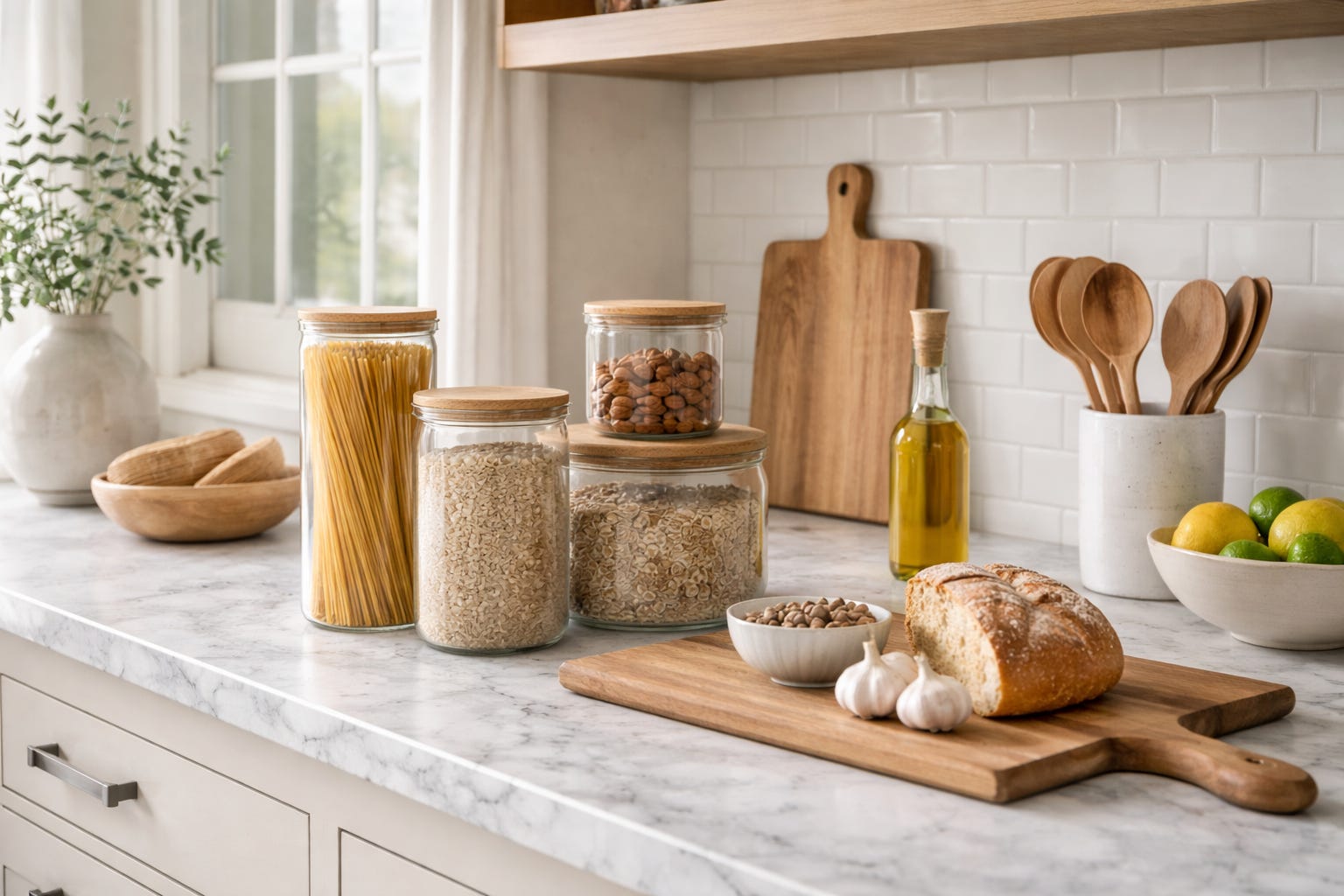
Now we rely mostly on glass containers, ceramic bowls with lids, and stainless steel storage.
Glass in particular has become a favorite because it doesn’t absorb smells and holds up well over years of use. It also transitions easily from refrigerator to table, which reduces the need for extra dishes.
Small changes like this simplify the kitchen while quietly improving the materials we interact with daily.
Polyester Throws and Blankets
Soft throws are everywhere in home decor, but many are made entirely from polyester or microfiber.
These fabrics are inexpensive and widely available, but they tend to trap heat and wear out quickly.
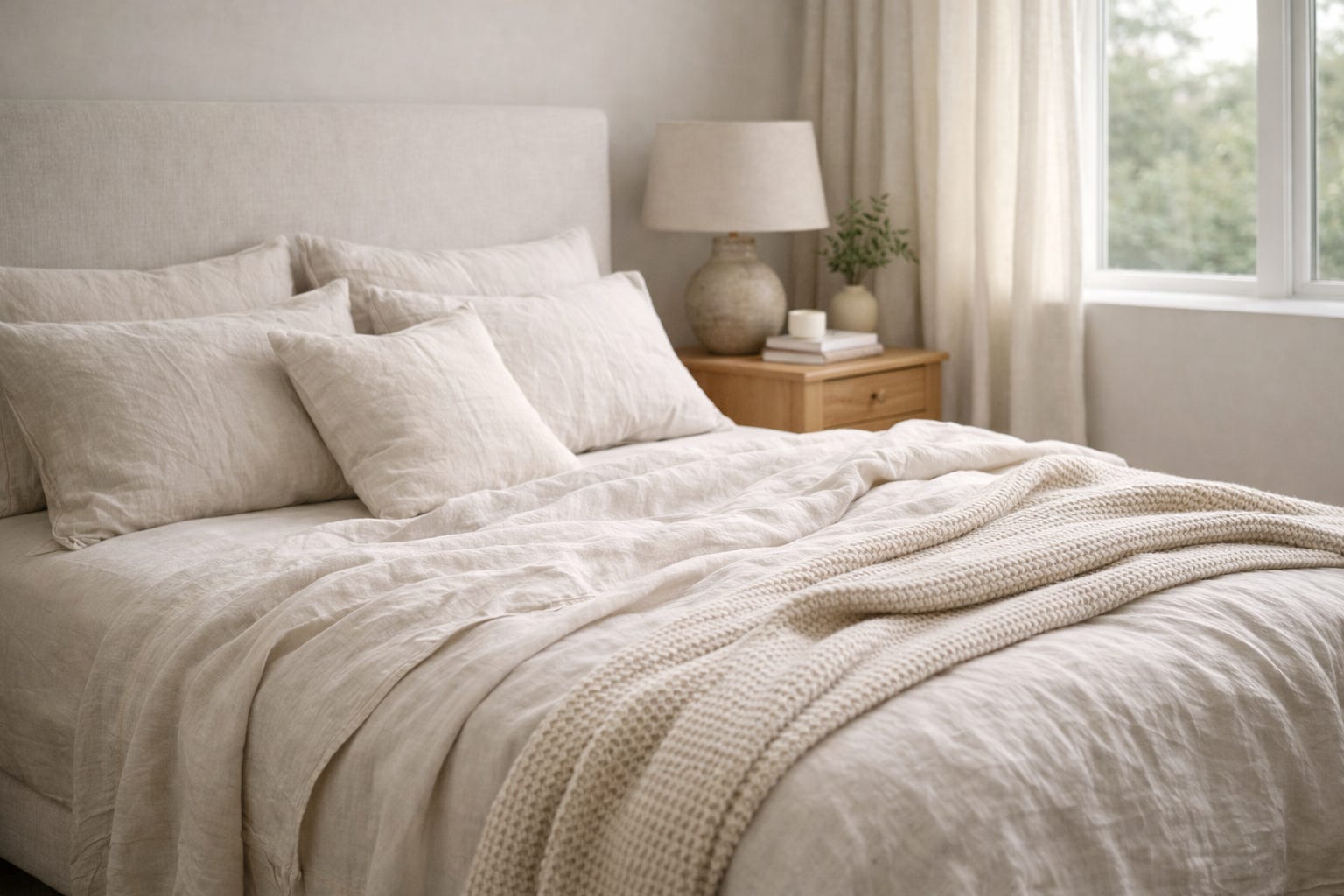
When we began switching to natural fibers like wool, cotton, and linen, the difference was noticeable.
These materials breathe better, regulate temperature naturally, and often become softer over time instead of breaking down.
A wool throw or organic cotton blanket may cost more initially, but it often lasts for years — sometimes decades.
Artificial Fragrance Products
Air fresheners, scented sprays, plug-ins, and heavily fragranced cleaners used to be common in our home.
But once I started paying attention to ingredients, I realized how many fragrance products rely on complex synthetic blends that linger in the air.
Rather than masking indoor air, we now focus on keeping the space naturally fresh.
Opening windows regularly, using unscented cleaning products, and occasionally diffusing essential oils creates a much lighter atmosphere.
The home smells less like artificial perfume and more like what actually happens there — cooking, fresh laundry, and open air.
Vinyl or Synthetic Rugs
Rugs are one of the largest textile surfaces in a home, especially in living rooms and bedrooms.
Many inexpensive rugs today are made from synthetic materials like polypropylene, polyester, or vinyl backing.
Instead, we slowly transitioned toward wool rugs, cotton rugs, and natural fiber options like jute or sisal.
These materials bring texture and warmth into a room while aging far more gracefully than synthetic alternatives.
They also contribute to the quiet, grounded feeling that defines many low-tox interiors.
Cheap Composite Furniture
Fast furniture is one of the easiest traps to fall into when furnishing a home.
Composite wood, particle board, and laminate pieces are inexpensive and widely available. But they’re rarely designed to last more than a few years.
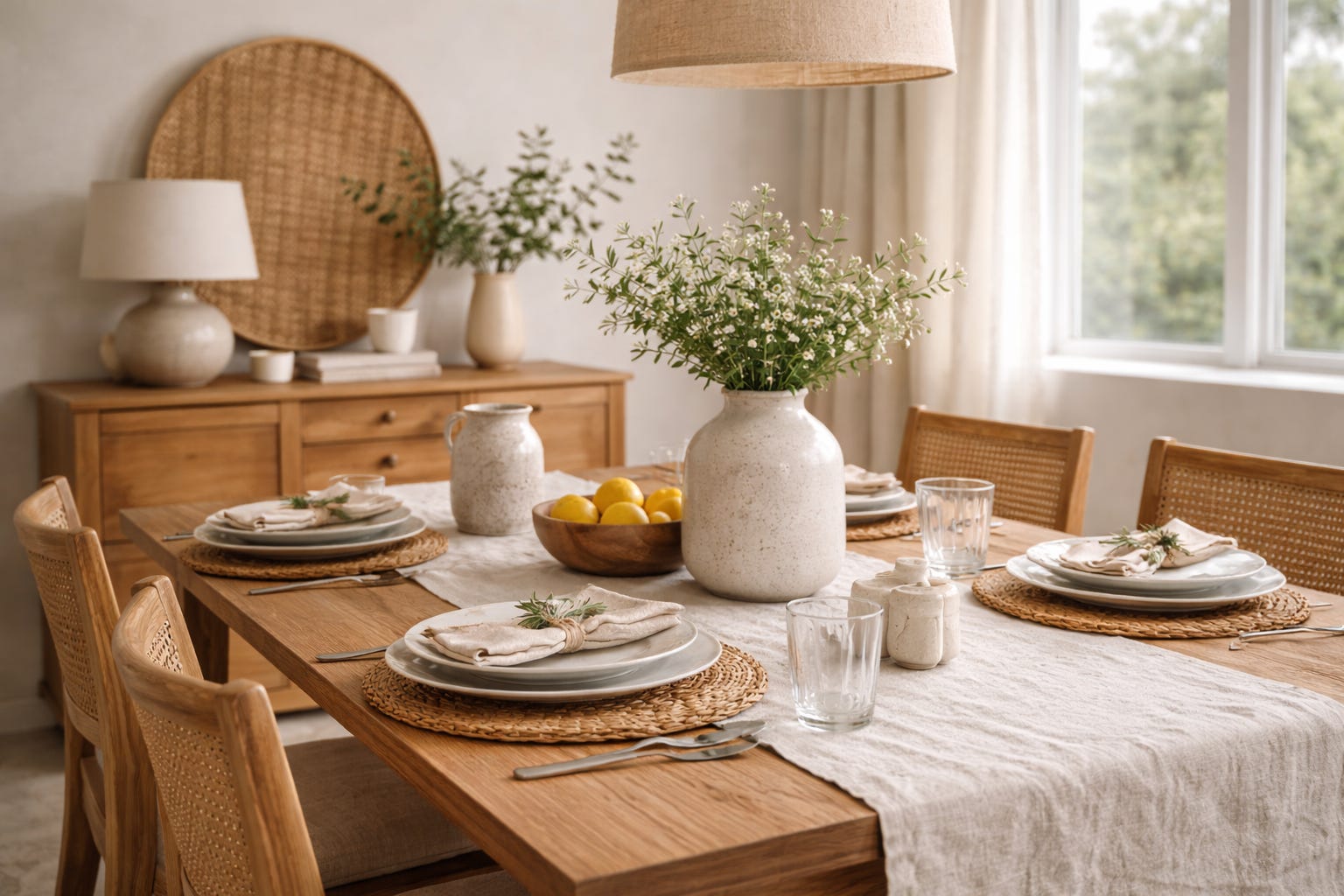
Instead of replacing furniture frequently, we began focusing on solid wood pieces whenever possible.
A well-made wood table or dresser often ages beautifully, developing character instead of wear. It also reduces the cycle of constantly replacing furniture.
Over time, this approach creates a home filled with fewer pieces but better ones.
Disposable Decor Trends
One of the biggest shifts in our home has been stepping away from fast decor trends.
Seasonal decorations, trendy accent pieces, and short-lived design fads can create a constant cycle of buying and replacing.
Instead, we’ve leaned into timeless materials: ceramics, natural textiles, wood, and stone.
These pieces don’t need to be replaced every season. They simply evolve with the home over time.
The result is a space that feels calmer, more intentional, and less cluttered.
Our House is Becoming a Home
Homes are where daily life unfolds.
Children crawl across floors.
They bury their faces into blankets.
They rest against sofas and play on rugs.
The materials surrounding them become part of their environment in ways we rarely think about.
When a home is built from breathable fabrics, natural materials, and durable surfaces, it simply feels different. Softer. Quieter. More grounded.
Those small choices shape the atmosphere where families spend their time.
One Small Change at a Time
The changes in our home didn’t happen overnight.
They happened through small decisions.
One wool blanket.
One glass container.
One solid wood piece.
Over time those decisions reshaped the environment around us.
What is one household item you’ve replaced with a more natural material?
Rooms feel calmer.
Spaces feel more intentional.
The home feels grounded in materials that last.
For me, that’s the foundation of LowToxLuxury: creating a home that feels elevated not just visually, but structurally and ethically.
A house that truly feels like home.
Some links in this article may be affiliate links. I only share materials and brands I would use in my own home.